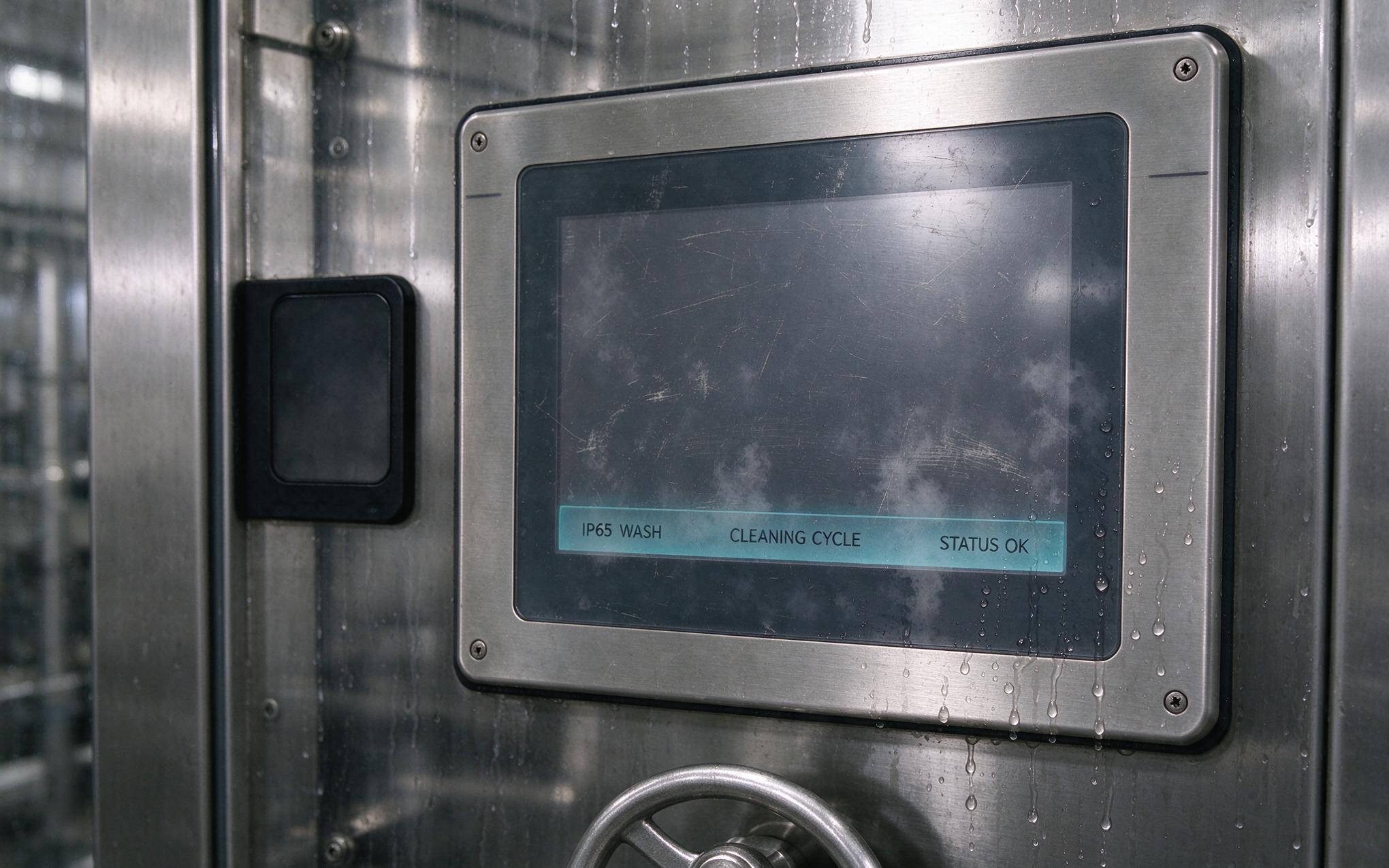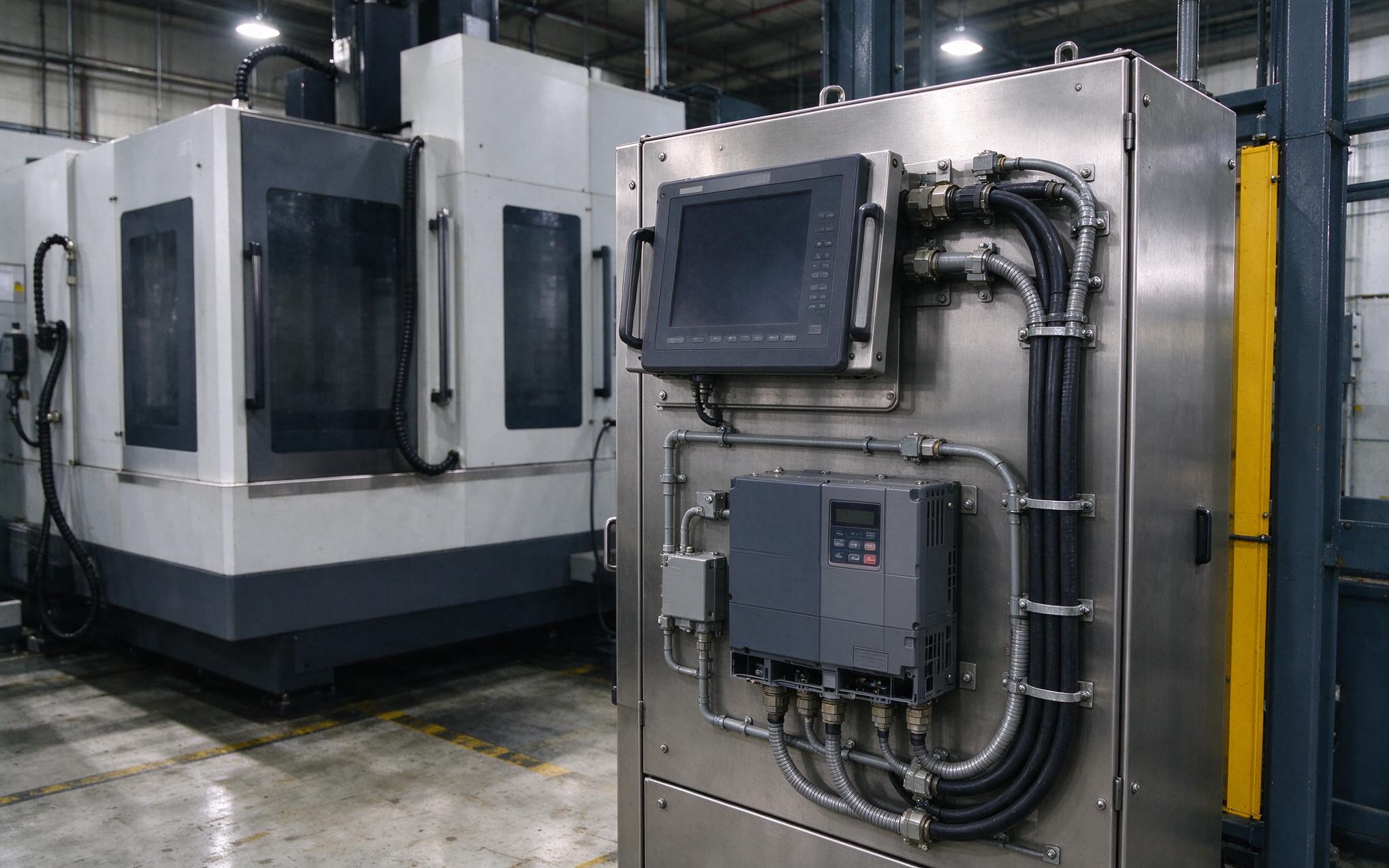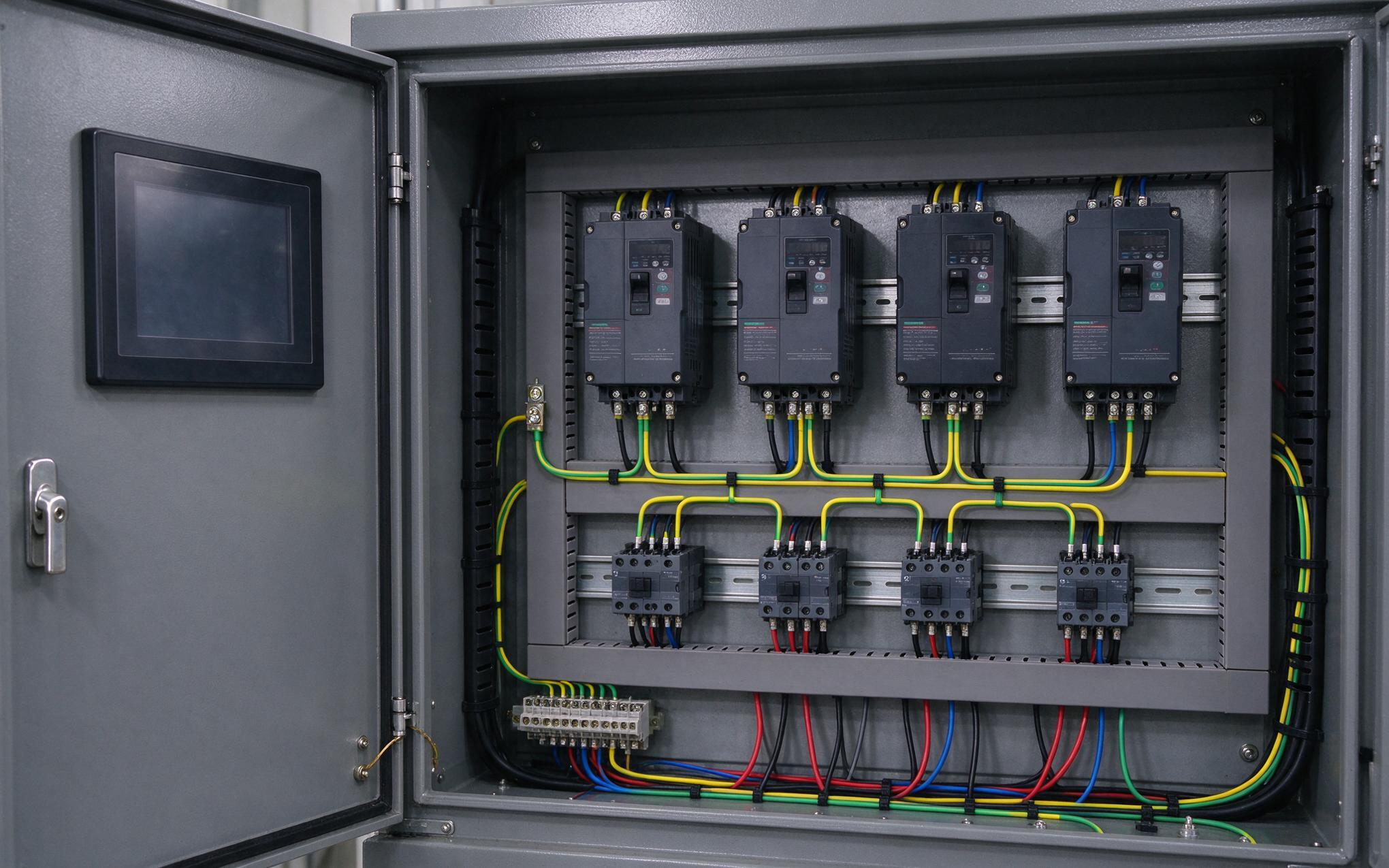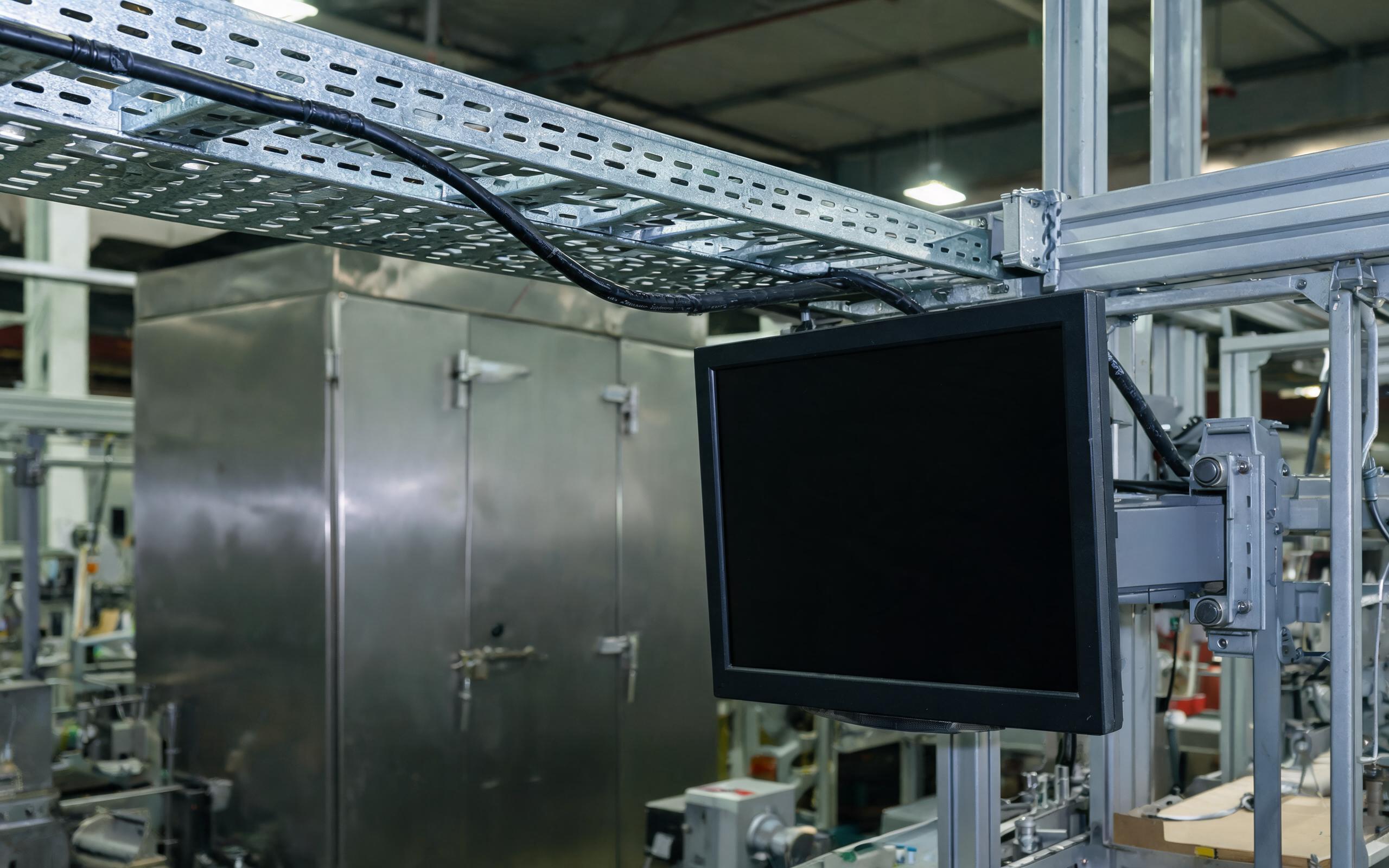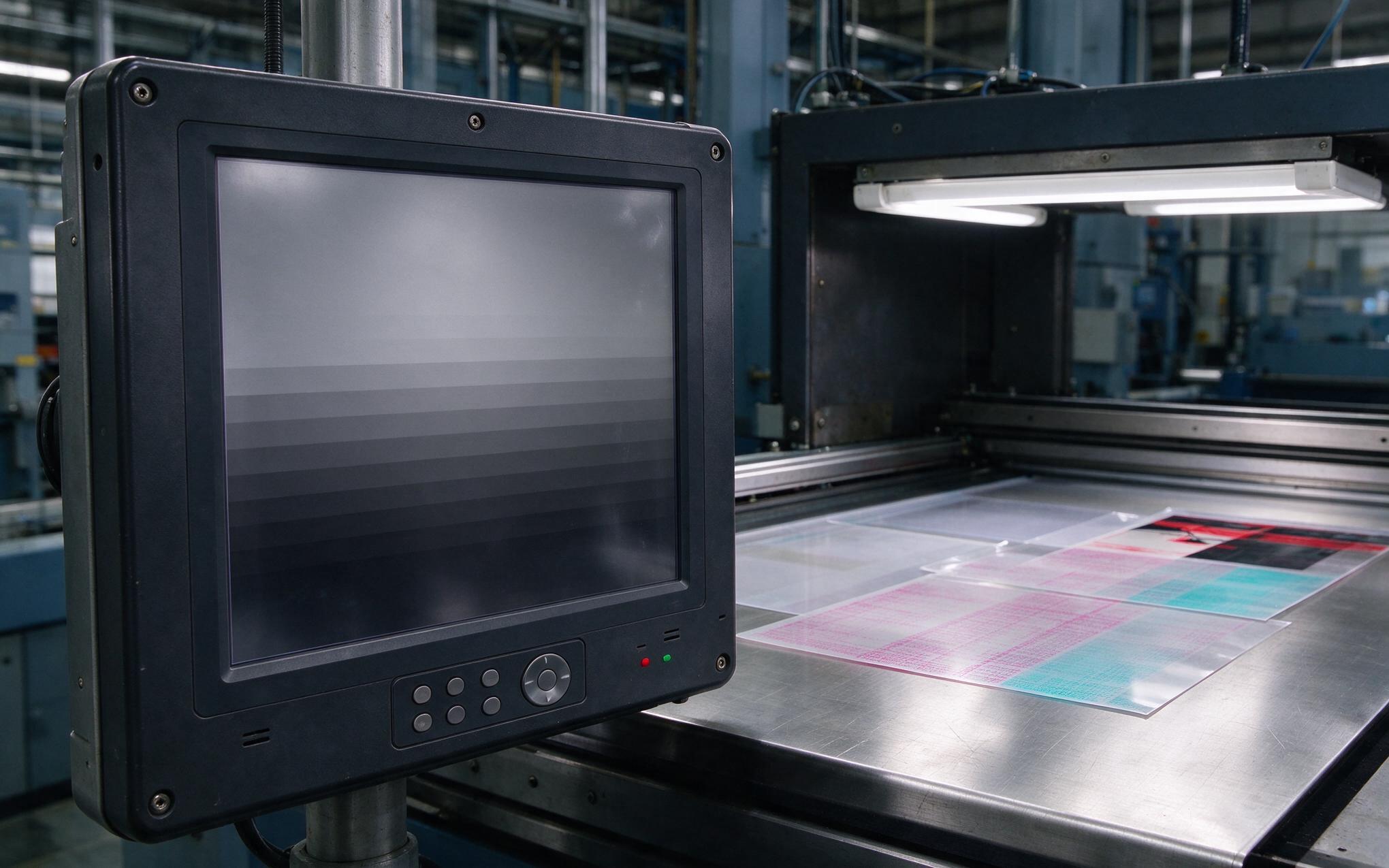
Two identical enclosures left an integration shop on the same afternoon, one bound for a bottling line and one for a wastewater lift station. Eighteen months later the bottling unit passed every functional test, while the lift station unit showed black film on connector pins and erratic touch response. Neither enclosure leaked, and both held their ingress rating throughout. What separated them was gas rather than water, because an industrial IP65 panel PC sealed against dust and spray still exchanges enough air through cable entries and pressure equalization paths to accumulate sulfide films on exposed metal.

Gas Corrosivity Classes Behind Sealed Enclosure Failures
ANSI/ISA-71.04 sorts process environments by how fast copper and silver coupons react, running from G1 mild through G2 moderate and G3 harsh up to GX severe. Wastewater headworks, pulp digesters, and fertilizer terminals routinely measure G3 because hydrogen sulfide and sulfur dioxide reach concentrations that mild assembly plants never approach. Once copper reactivity passes roughly 1000 angstroms per month, exposed traces, connector plating, and contact surfaces lose conductive material steadily rather than suddenly. Ingress protection ratings describe particulate and liquid barriers only, so an IP65 seal carries no statement about gas at all. Classifying a site by corrosivity before choosing hardware is what separates equipment that survives a lift station from equipment that merely survives a spray test.

Vapor Paths Through Cable Entries and Pressure Vents
Sealed housings breathe whether or not a data sheet admits it. Each thermal cycle pushes internal air out and draws ambient air back through gland threads, unsealed conduit runs, and any breather element fitted to equalize pressure. Conduit is the most underestimated path, since a run terminating in a sump routes headspace gas directly into the cabinet while the enclosure face stays spotless. Gas arriving this way is never stopped by a dust gasket, and sulfide films then creep across silver plated contacts and card edge connectors until contact resistance drifts. To close that path, industrial hardware manufacturers, including KOXIAN, use potted cable entries and sealed conduit fittings so an industrial IP65 panel PC does not inhale process atmosphere on every cooling cycle.

Coating Selection for Industrial IP65 Panel PC Boards
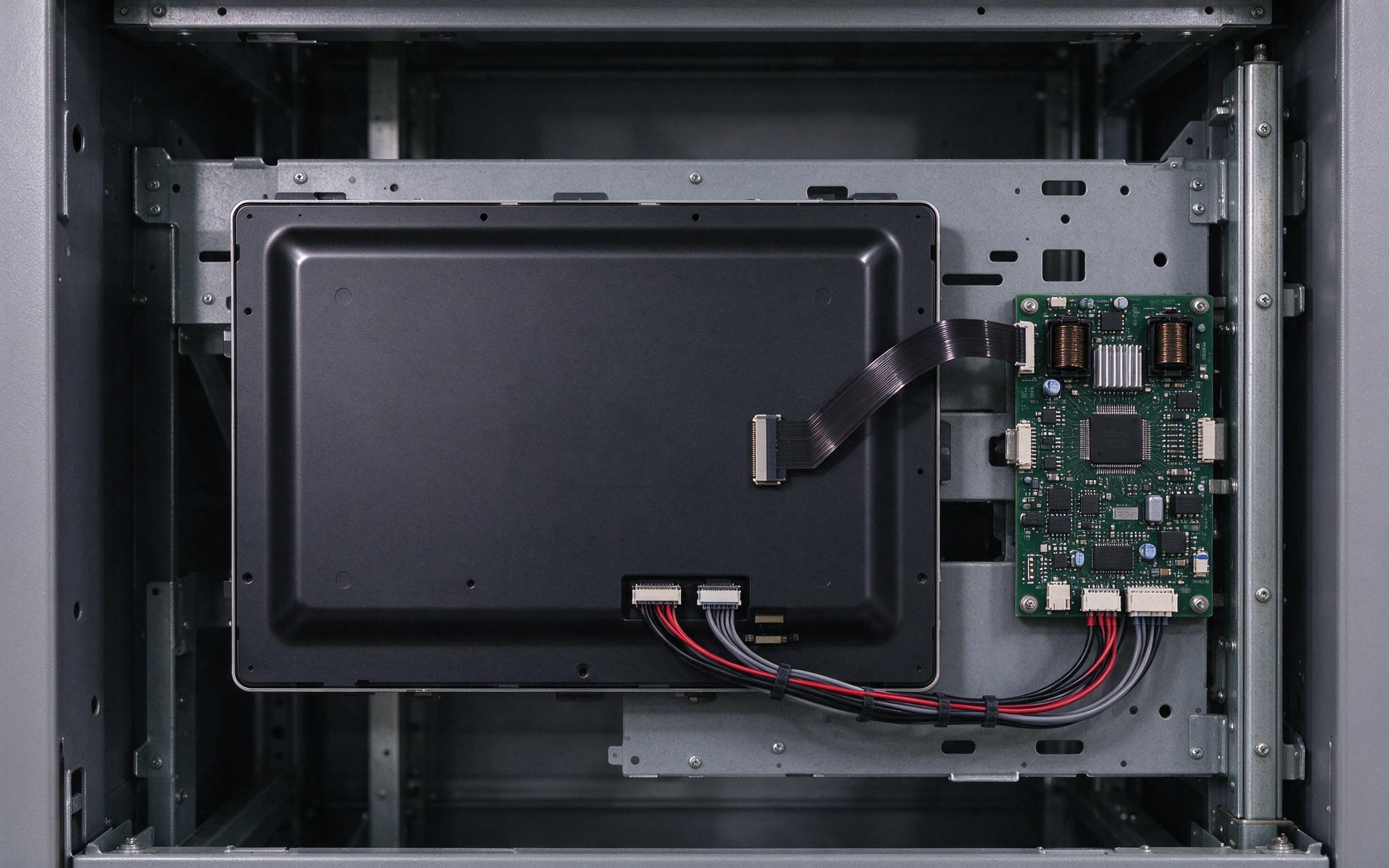
Conformal coating becomes the practical defense once corrosive gas is present inside the volume. Acrylic materials qualified to IPC-CC-830 apply easily and rework cleanly, urethane holds up better against sulfur bearing atmospheres, and parylene deposits a uniform film into connector shells that liquid coatings tend to bridge over. Coverage discipline matters more than chemistry, because masked connector rows and test points remain bare metal by design and become the exact sites where attack begins. Thermal architecture interacts with all of it, since a sealed fanless design moves no contaminated air across the board while a fan pulls G3 atmosphere over every component continuously. When specifying an industrial IP65 panel PC for these rooms, design approaches such as those adopted in the KOXIAN K2 series treat coating class and sealed thermal paths as one decision.

Monitoring Corrosivity With Copper and Silver Coupons
Classification only holds if somebody measures it on site. Copper and silver coupons mounted inside the cabinet for thirty to ninety days return a reactivity rate that either confirms the assumed class or reveals that a ventilation change pushed a G2 room into G3. Plants running scrubbers or seasonal digester loads see that shift often enough to justify repeat exposure each year. Coupon data also settles warranty arguments, because a documented rate converts a dispute about build quality into a statement about installed environment. Where readings come back harsh, remaining options narrow to a positive pressure purge fed by instrument air, a coated aluminum alloy industrial PC assembly, or physical relocation of the cabinet away from the gas source.
Ingress rating and gas corrosivity answer different engineering questions, which explains how identical hardware passes in a bottling hall and degrades in a wastewater building. Classifying the site under ANSI/ISA-71.04, closing the conduit and gland paths that let headspace gas into the cabinet, matching coating class to sulfur exposure, and verifying the result with coupons turns a recurring corrosion complaint into a documented specification. Sealing keeps dust and water outside the enclosure, while material and coating decisions address everything that arrives as vapor.