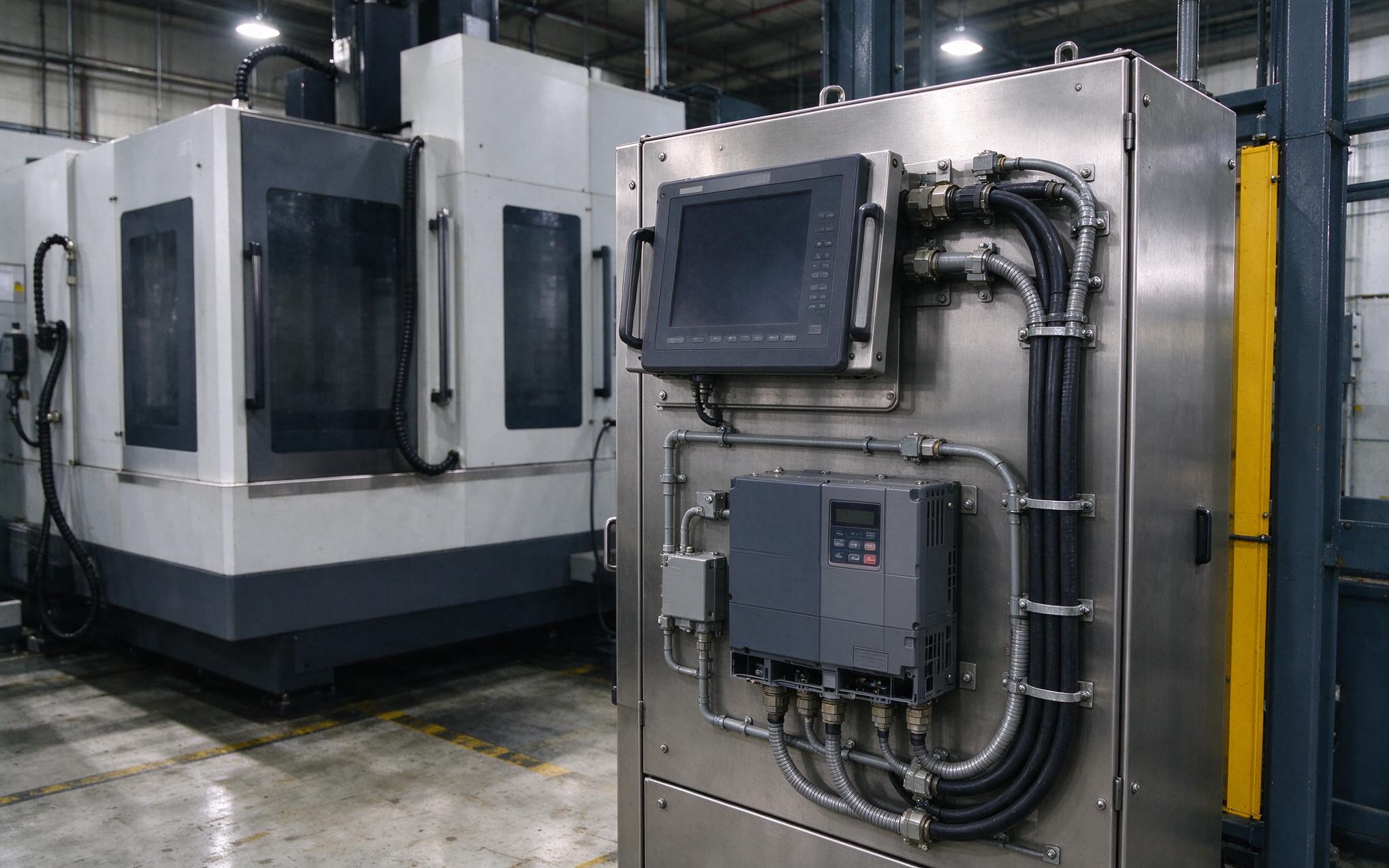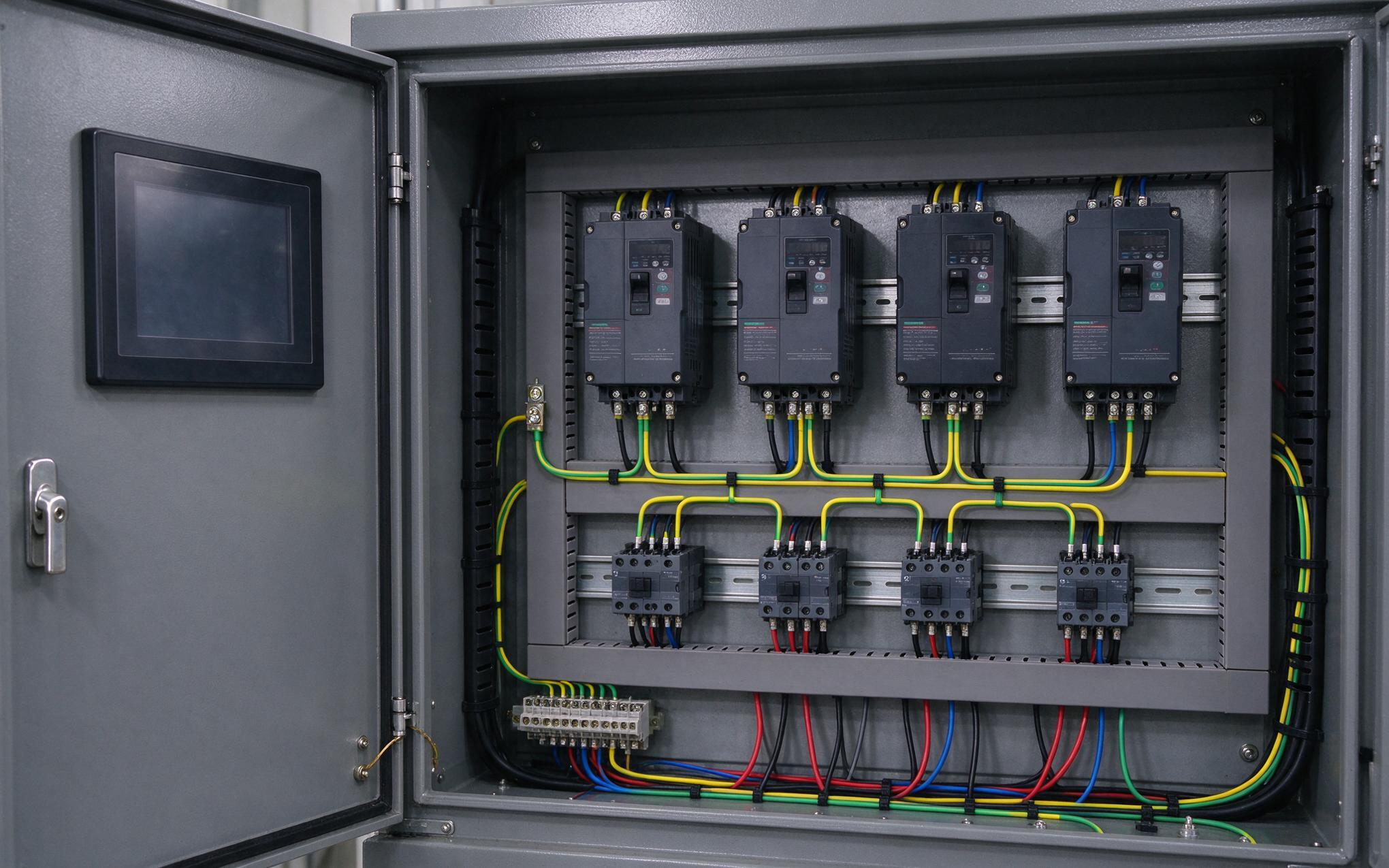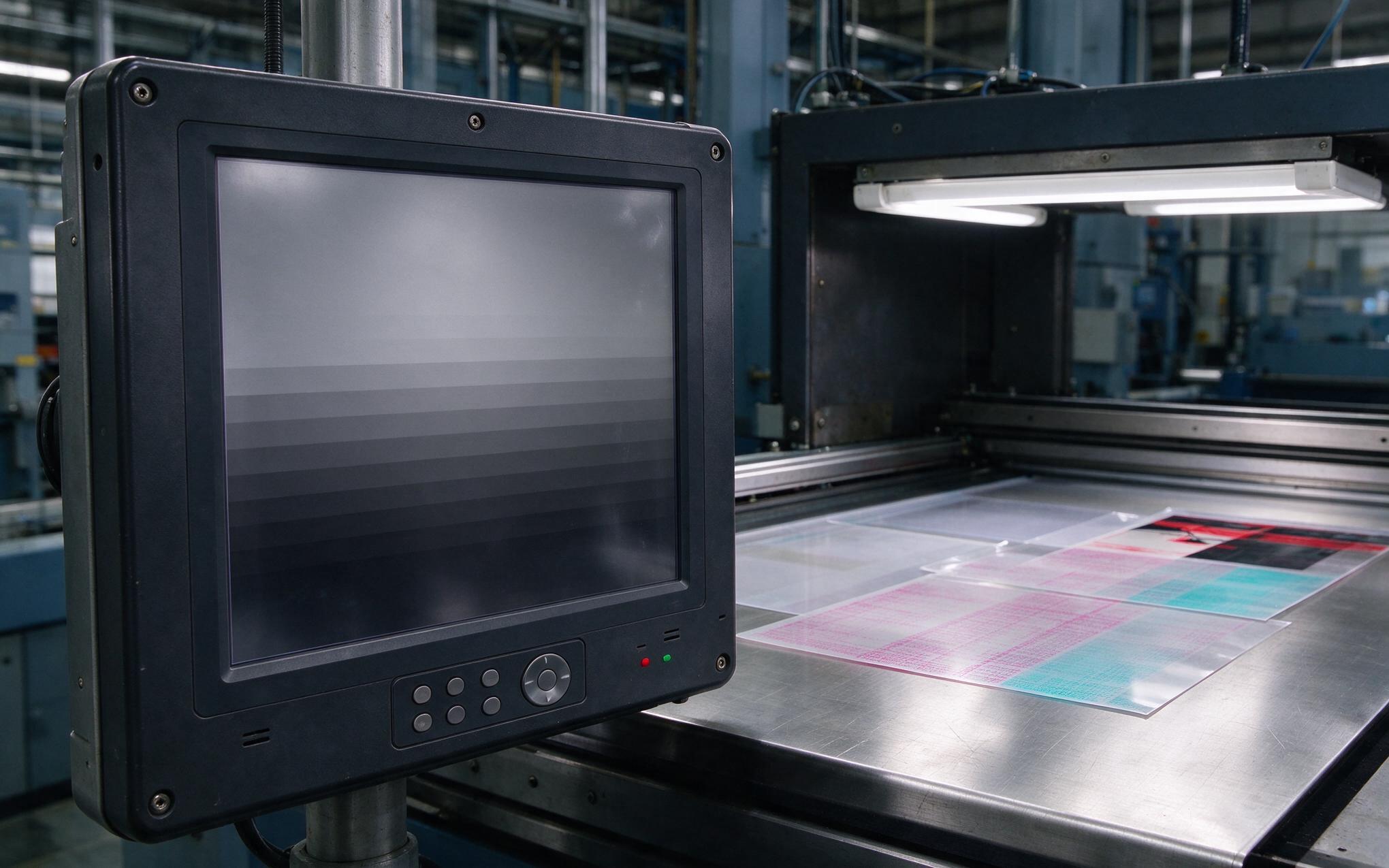
Backlight hours and semiconductor platform windows run on two different clocks. An industrial panel holds usable luminance for 50,000 hours or more, while the compute platform behind it may reach a supplier’s last-order date years earlier. In industrial all-in-one PCs the display and the mainboard share one sealed chassis, so the shorter clock decides when the whole unit comes off the wall. Maintenance groups meet this the hard way when a still readable screen is scrapped because no equivalent board fits the same rear casting. IEC 62402 frames obsolescence as a managed engineering risk rather than a purchasing surprise, and applying that discipline to industrial all-in-one PCs changes how integrators specify, stock, and retire fused assemblies.

Mapping Panel Hours Against Compute Platform Windows
Hardware families such as the KOXIAN K2 series publish panel and platform support horizons separately, which lets engineers compare both clocks before anything is mounted. Panel datasheets state a half-luminance figure measured at 25 degrees Celsius, commonly 50,000 to 100,000 hours for industrial glass. Silicon roadmaps instead publish a last-time-buy date, often five to seven years after an embedded processor launches. When those two dates sit three years apart, the chassis inherits the earlier one and the longer-lived component becomes scrap. Recording both values in the asset register at commissioning turns an invisible mismatch into a schedulable event. Integrators who track panel part numbers alongside processor stepping data plan a refresh window instead of reacting to a stock-out notice from a distributor.

Backlight Depreciation and Fused Chassis Serviceability
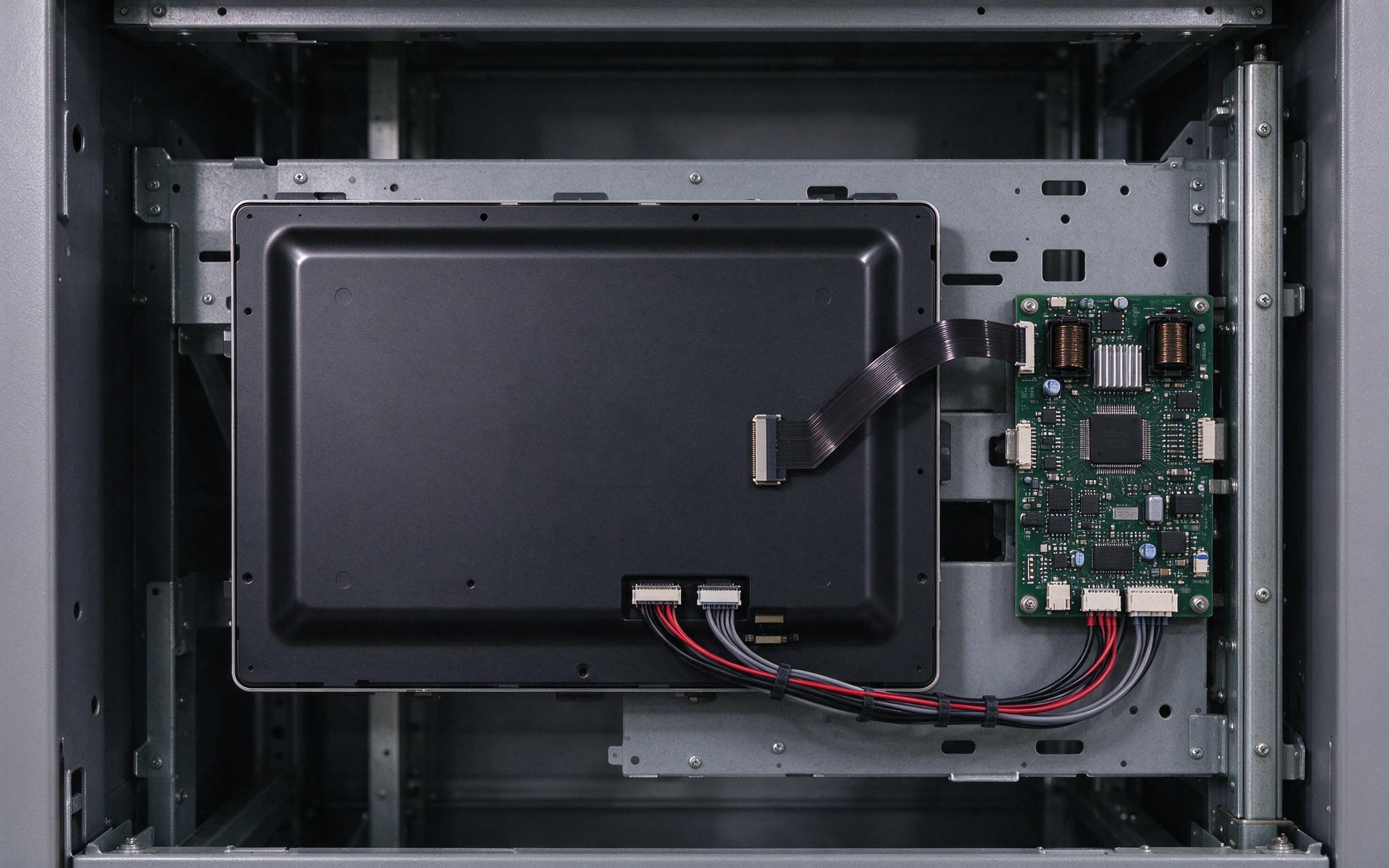
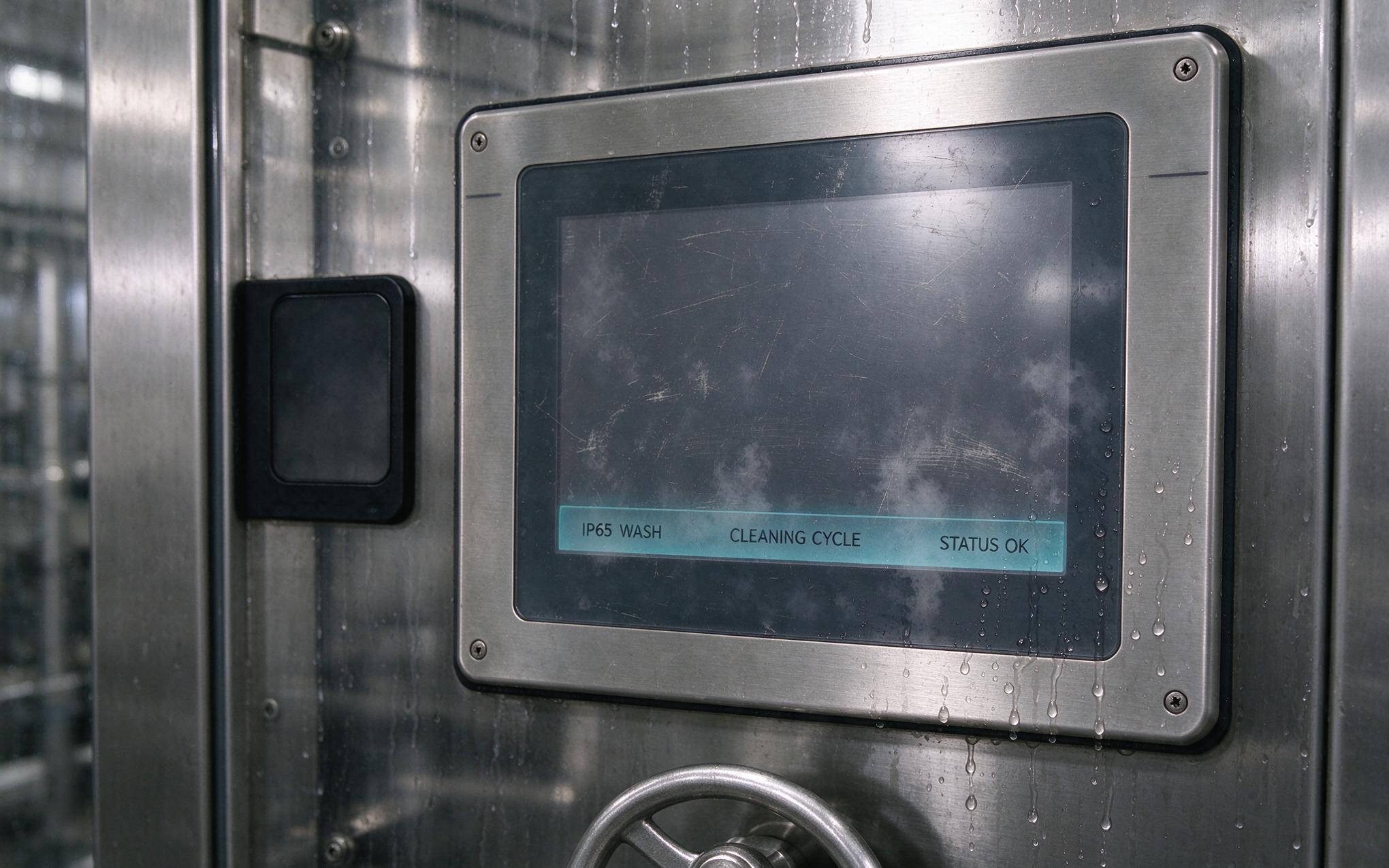
Luminance decay is gradual, so a display rarely fails outright. It drifts below the level a washdown bay or a sunlit loading dock requires, and operators begin reporting process values they cannot read at a glance. In industrial all-in-one PCs the backlight assembly usually sits behind an optically bonded stack, which removes any diode-level repair from the service menu. Replacing the panel then means breaking the bond or swapping a complete front module. Service planning therefore treats luminance as a consumable budget rather than a fixed specification, and derates expected hours for cabinets running above 40 degrees Celsius. Sustained ambient heat above the rated envelope shortens diode life faster than duty cycle alone, which is why identical units age unevenly across one plant.

Spare Inventory Rules When a Panel Grade Is Withdrawn
Panel makers withdraw a glass generation on their own schedule, and a replacement of the same diagonal may differ in thickness, connector pitch, or interface lane count. That single change invalidates a rear casting, a gasket groove, and a touch controller calibration file at once. Procurement groups answer by holding bonded stock of complete front modules for the installed base, sized against failure history rather than raw unit count. Hardware built around documented mechanical envelopes, including units from KOXIAN, keeps a withdrawn panel from forcing an enclosure redesign because the mounting interface stays fixed across panel revisions. An obsolescence management plan written under IEC 62402 assigns an owner and a review interval to each identified risk. Without that owner, the shortage surfaces during a line stoppage.

Validation Steps After a Board Level Refresh
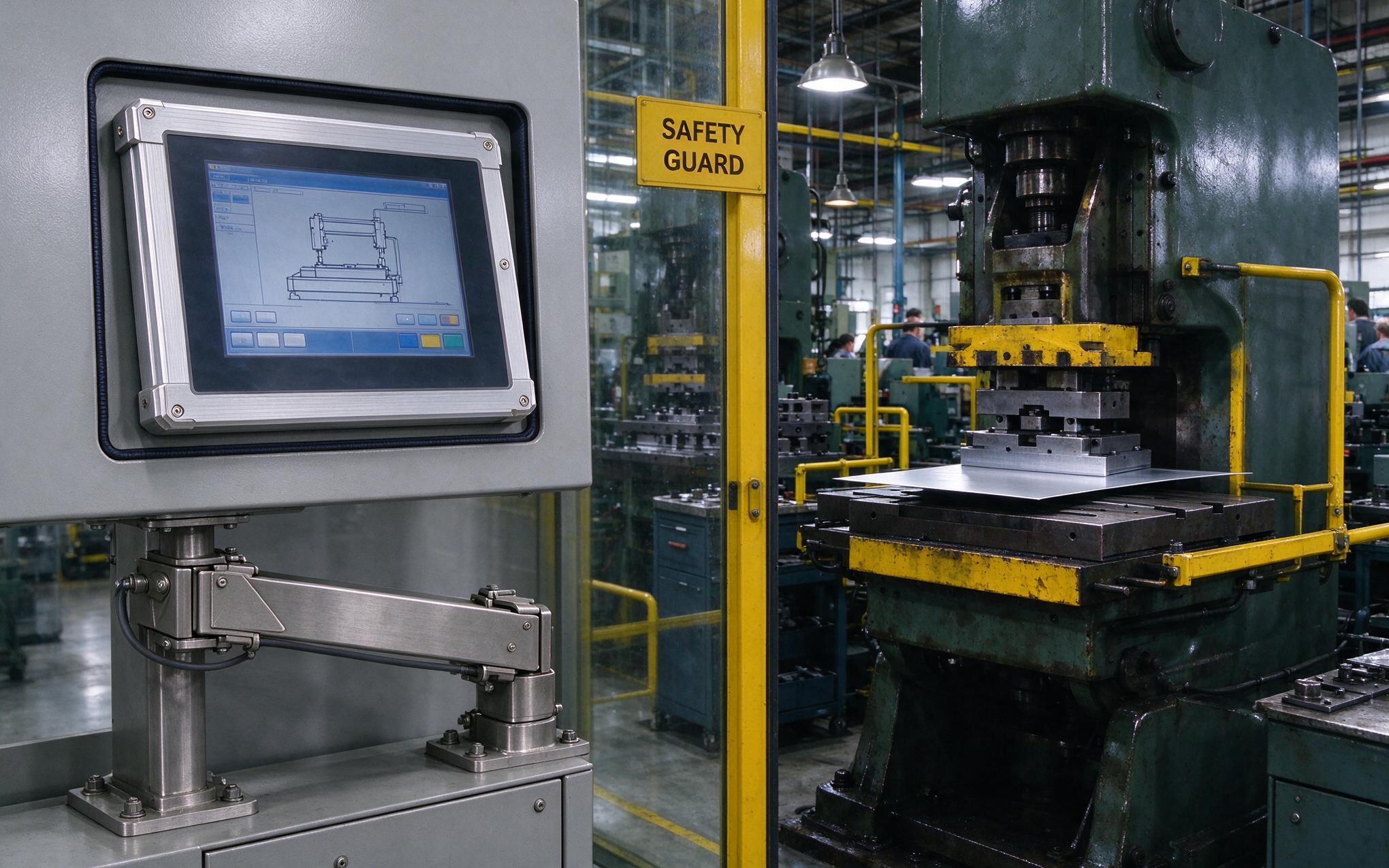
A replacement mainboard seldom drops in without consequence. Graphics timing, touch firmware, and thermal behavior all shift, so refreshed industrial all-in-one PCs need requalification before returning to a production cell. Field practice covers a thermal soak at the cabinet worst-case ambient, a touch linearity check across the full active area, and a power interruption sequence confirming the storage device mounts cleanly on recovery. Documenting those results creates the baseline the next refresh cycle is measured against. Skipping requalification quietly transfers risk to operators who depend on that screen during a batch changeover, and the resulting fault is usually blamed on the panel rather than the untested board.
Two clocks govern any fused display and compute assembly, and the shorter one sets the retirement date. Treating obsolescence as a tracked engineering parameter, in line with IEC 62402, lets a plant schedule refreshes around planned outages instead of emergency purchases. For industrial all-in-one PCs that means recording panel and platform horizons at commissioning, stocking front modules against real failure data, and requalifying every refreshed unit before it drives a process again.