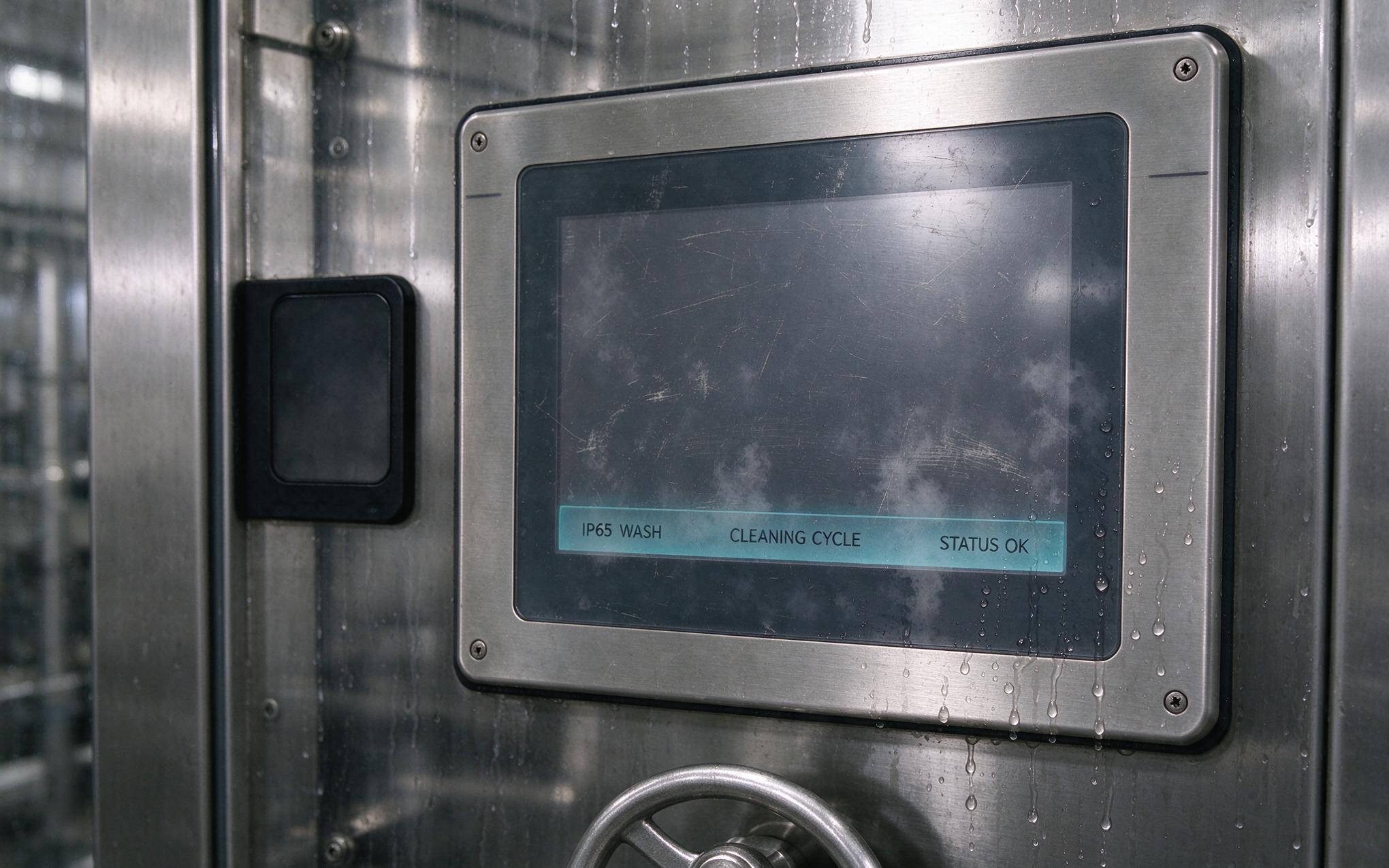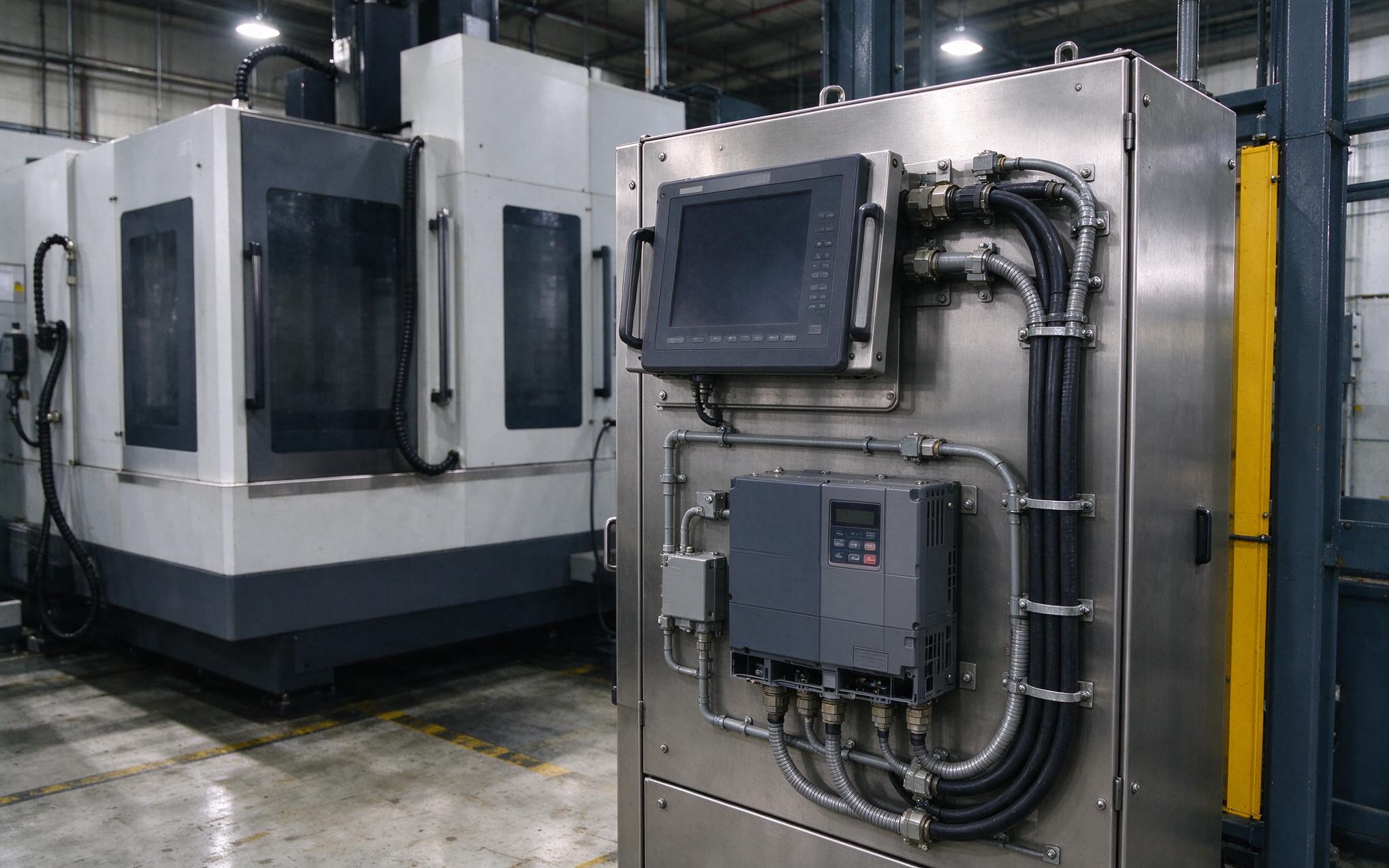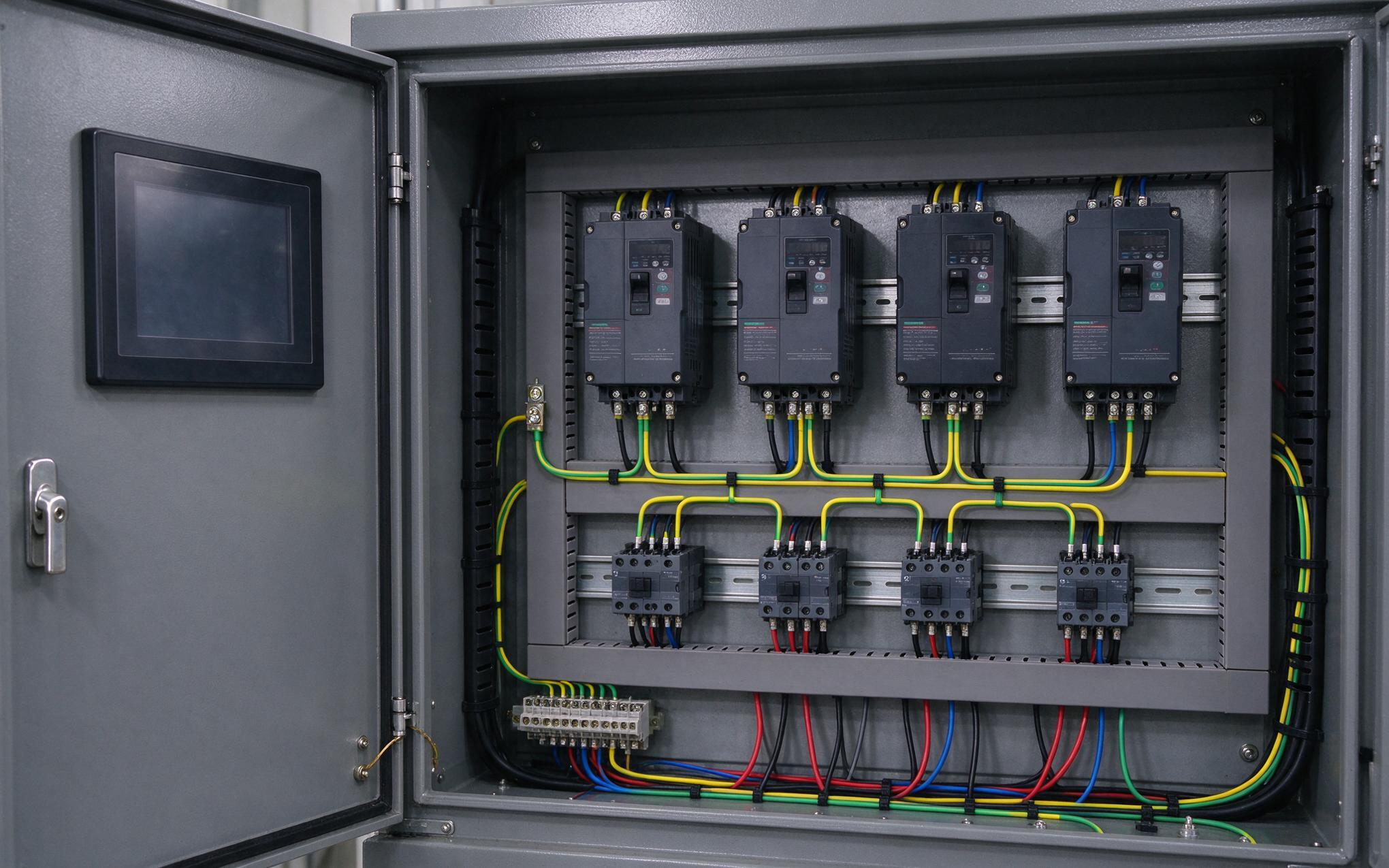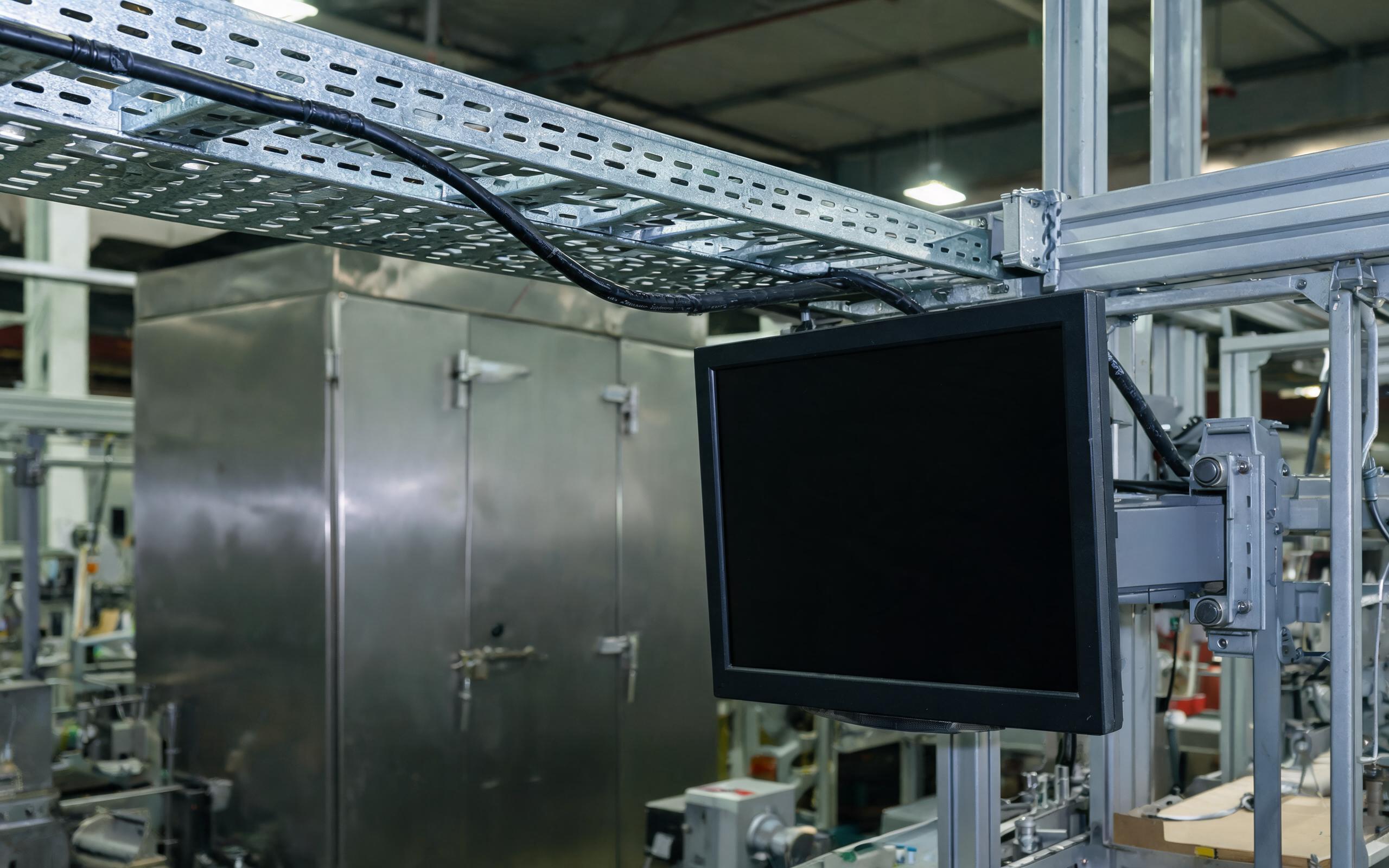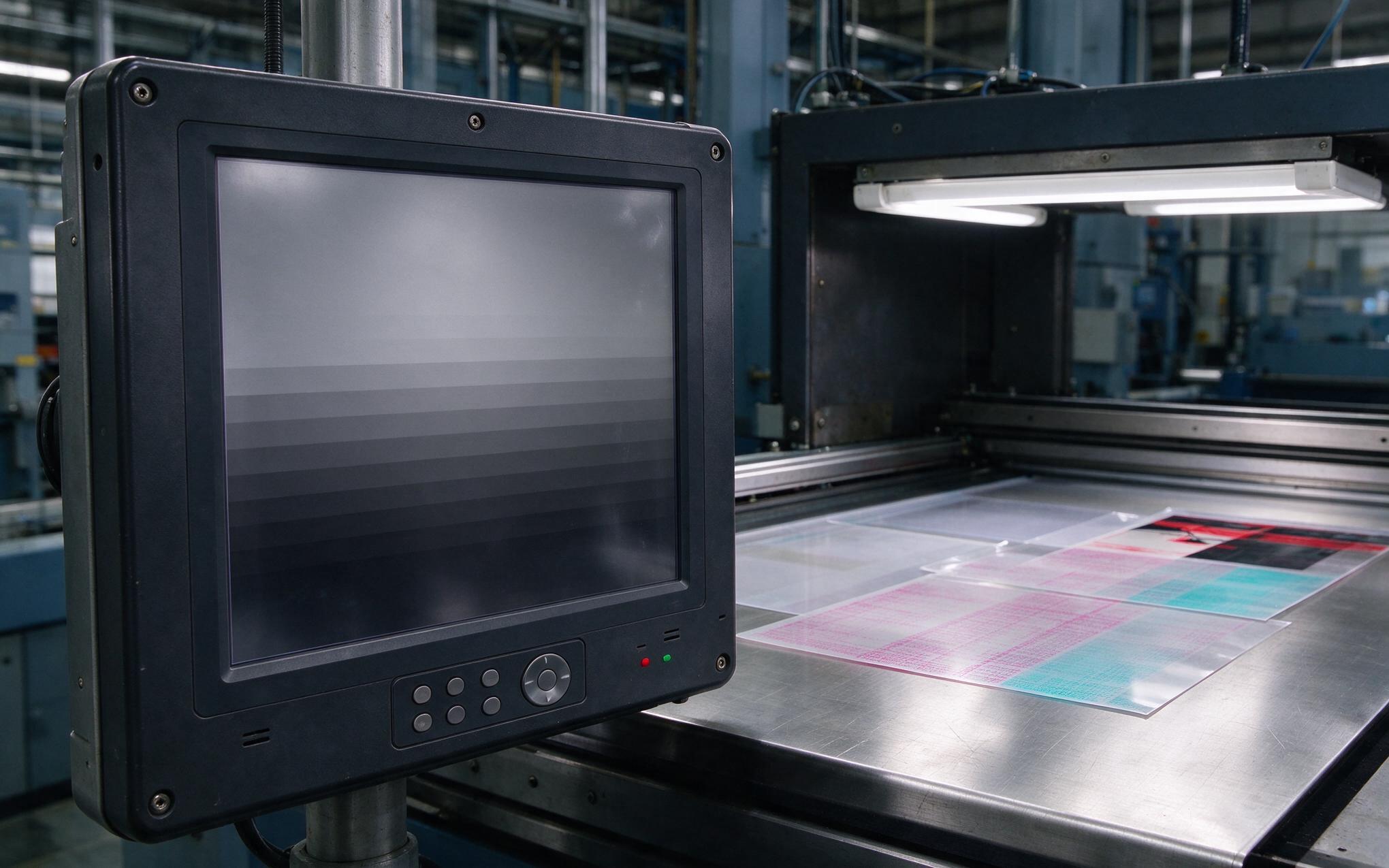
At a cold-storage distribution center in Minnesota, a maintenance crew arrived Monday morning to find three wall-mounted industrial terminals displaying flickering screens and erratic touch responses. All three units had been powered down over the weekend while temperatures in the unheated loading dock dropped well below freezing. When the systems restarted, condensation had already formed on internal circuit boards, triggering short circuits and corrosion that took days to diagnose. This scenario repeats itself across food processing plants, pharmaceutical warehouses, and outdoor kiosks every winter, and it underscores a problem that many operators overlook when specifying a fanless panel pc for temperature-cycling environments.

Understanding How Condensation Forms Inside Sealed Enclosures
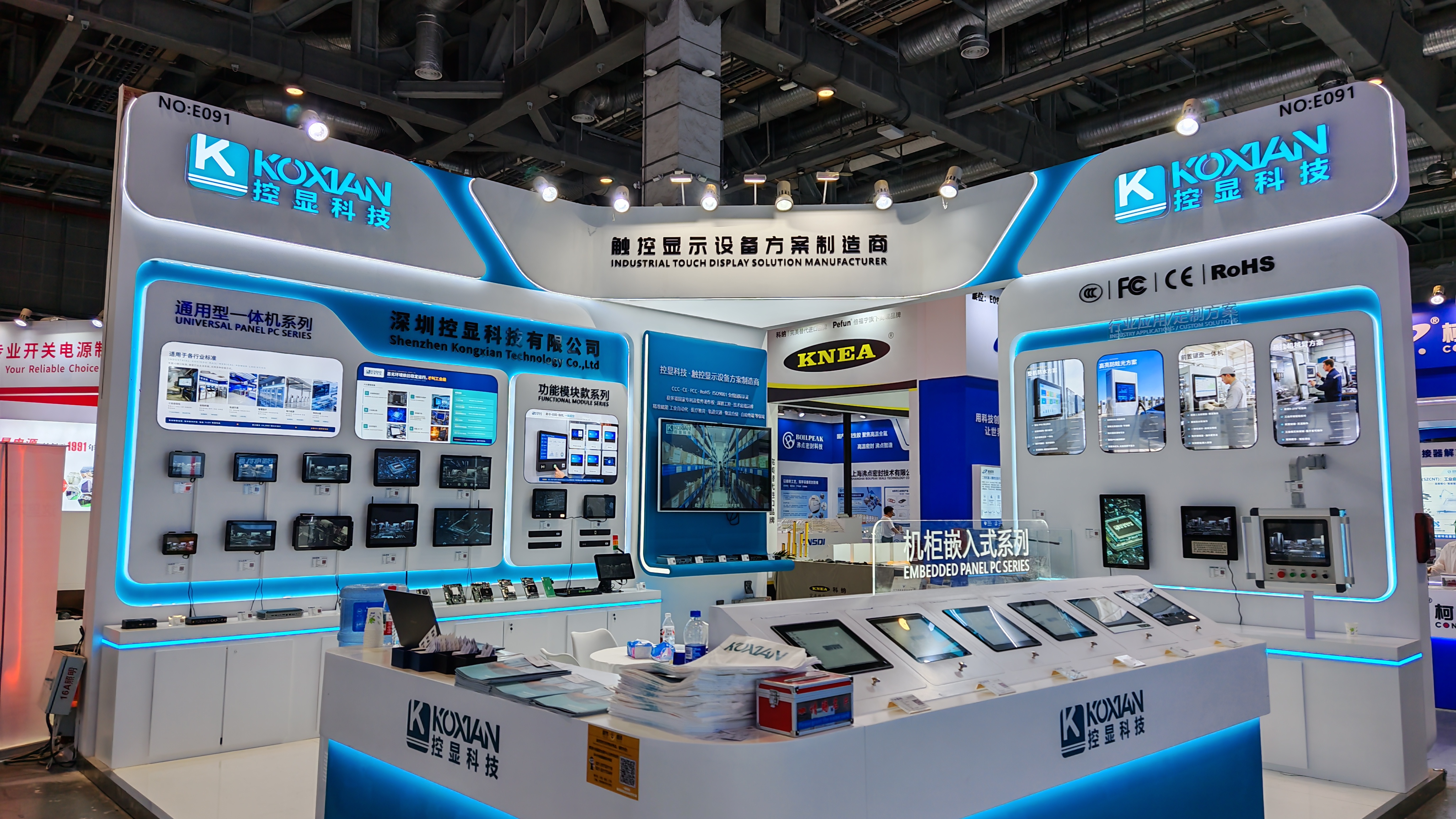
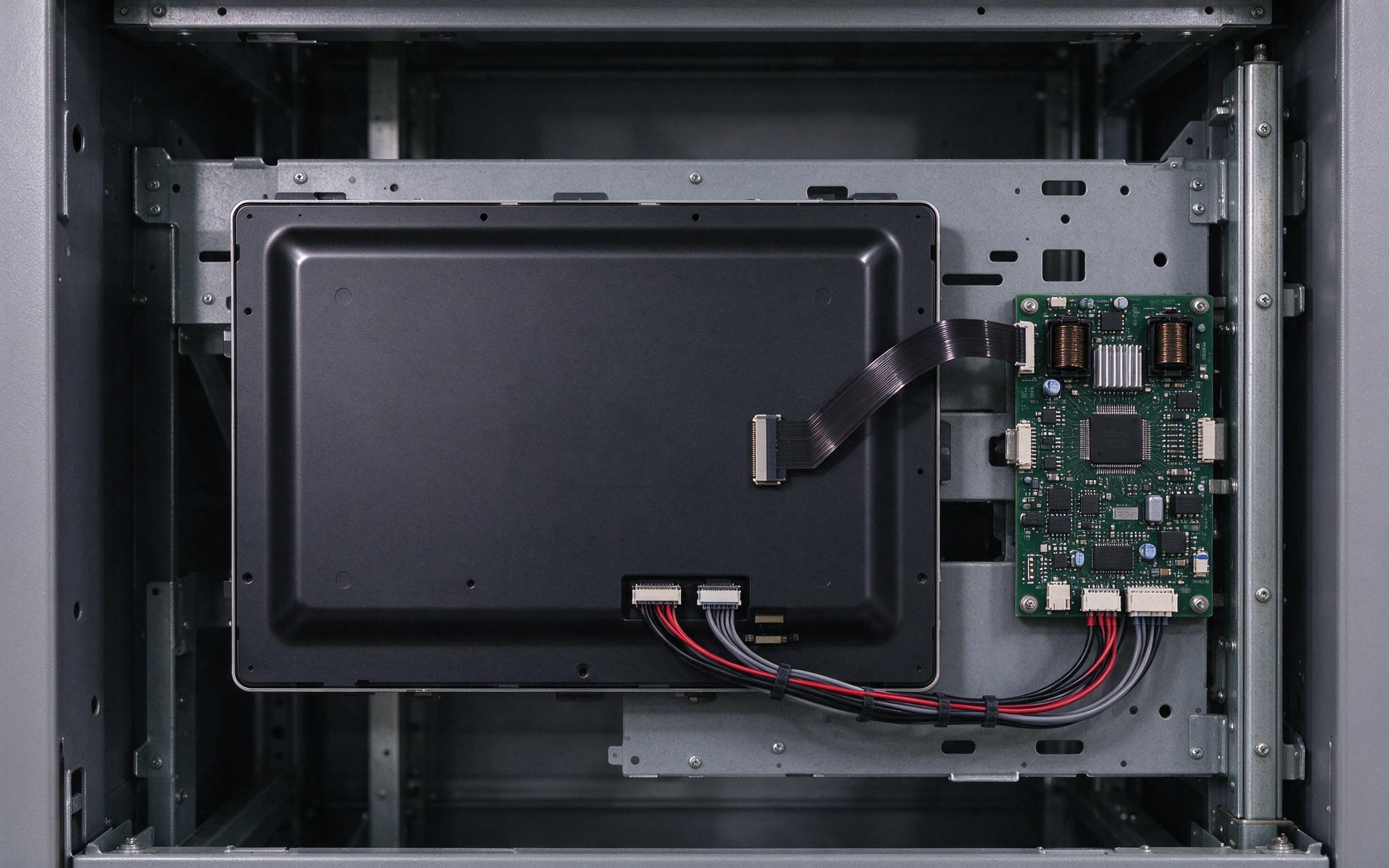
When ambient temperatures swing across the dew point, moisture-laden air condenses on any surface that is cooler than the surrounding air. In a sealed fanless panel pc, the aluminum enclosure acts as a large heat sink that can retain cold temperatures long after the surrounding environment warms up. Addressing this challenge, manufacturers like KOXIAN integrate breather valves and conformal coatings into their standard enclosure designs. The result is a microclimate inside the chassis where water vapor condenses directly onto PCB traces, connector pins, and component leads. Unlike fan-cooled systems that continuously circulate air and reduce moisture accumulation, a fanless design trades airflow for silence and reliability—but that sealed architecture creates a humidity trap that demands deliberate engineering countermeasures beyond what any single manufacturer can provide off the shelf.

Selecting Breather Valves and Conformal Coatings for Condensation Control
Breather valves equalize internal and external air pressure while blocking liquid water and particulate ingress. A properly rated valve allows moisture to escape during warm-up cycles without permitting liquid ingress during washdown or rain exposure. For fanless panel pc installations in cold storage environments, the valve’s IP rating must match or exceed the enclosure’s overall protection level—typically IP65 or IP67. Equally important is the valve’s airflow capacity, which determines how quickly pressure differentials equalize during rapid temperature transitions. Conformal coatings add a second line of defense by sealing PCB surfaces against moisture contact. Acrylic, silicone, and parylene coatings each offer different trade-offs in chemical resistance, reworkability, and dielectric strength. In food-grade washdown environments, silicone or parylene coatings provide superior chemical inertness compared to standard acrylic formulations. Systems built by KOXIAN for pharmaceutical cold rooms typically specify parylene due to its resistance to repeated chemical exposure cycles and its ability to maintain dielectric integrity at low temperatures.

Cold-Start Procedures and Maintenance Protocols for Reliability
The most critical window for condensation damage occurs during cold-start transitions. When a fanless panel pc that has been soaking at sub-zero temperatures is suddenly powered on, the rapid heat generation from the processor and power supply creates a steep temperature gradient across the enclosure. Moisture that condensed during the cold soak is now driven deeper into the PCB as warm air expands and pushes humid air into crevices. Operators should implement a staged warm-up protocol: allowing the enclosure to reach ambient temperature before applying power, or using low-wattage pre-heating elements embedded in the enclosure wall. Routine maintenance schedules should include periodic visual inspection of breather valve membranes, checks for coating delamination around connector interfaces, and logging of internal humidity sensor readings when the unit is equipped with environmental monitoring. These practices extend the operational life of the equipment and prevent the costly unplanned downtime that condensation-related failures cause across industrial deployments.
Condensation is an insidious threat to any sealed computing platform operating in temperature-cycling environments. By combining proper breather valve selection, conformal coating application, and disciplined cold-start protocols, facility managers can protect their fanless panel pc investments from moisture-related failures. The upfront engineering effort pays dividends in reduced maintenance costs, fewer production interruptions, and extended equipment service life across demanding industrial installations.