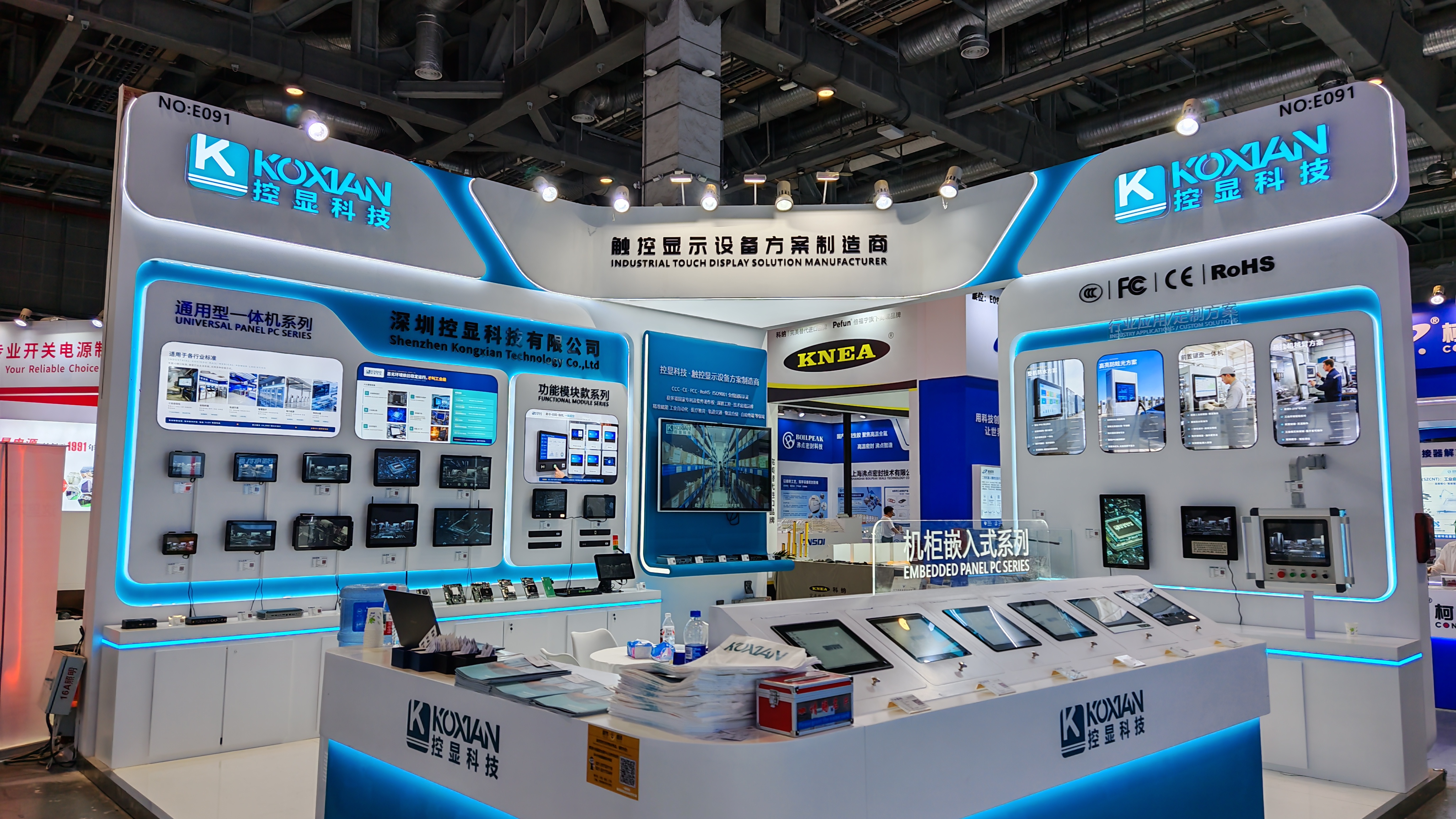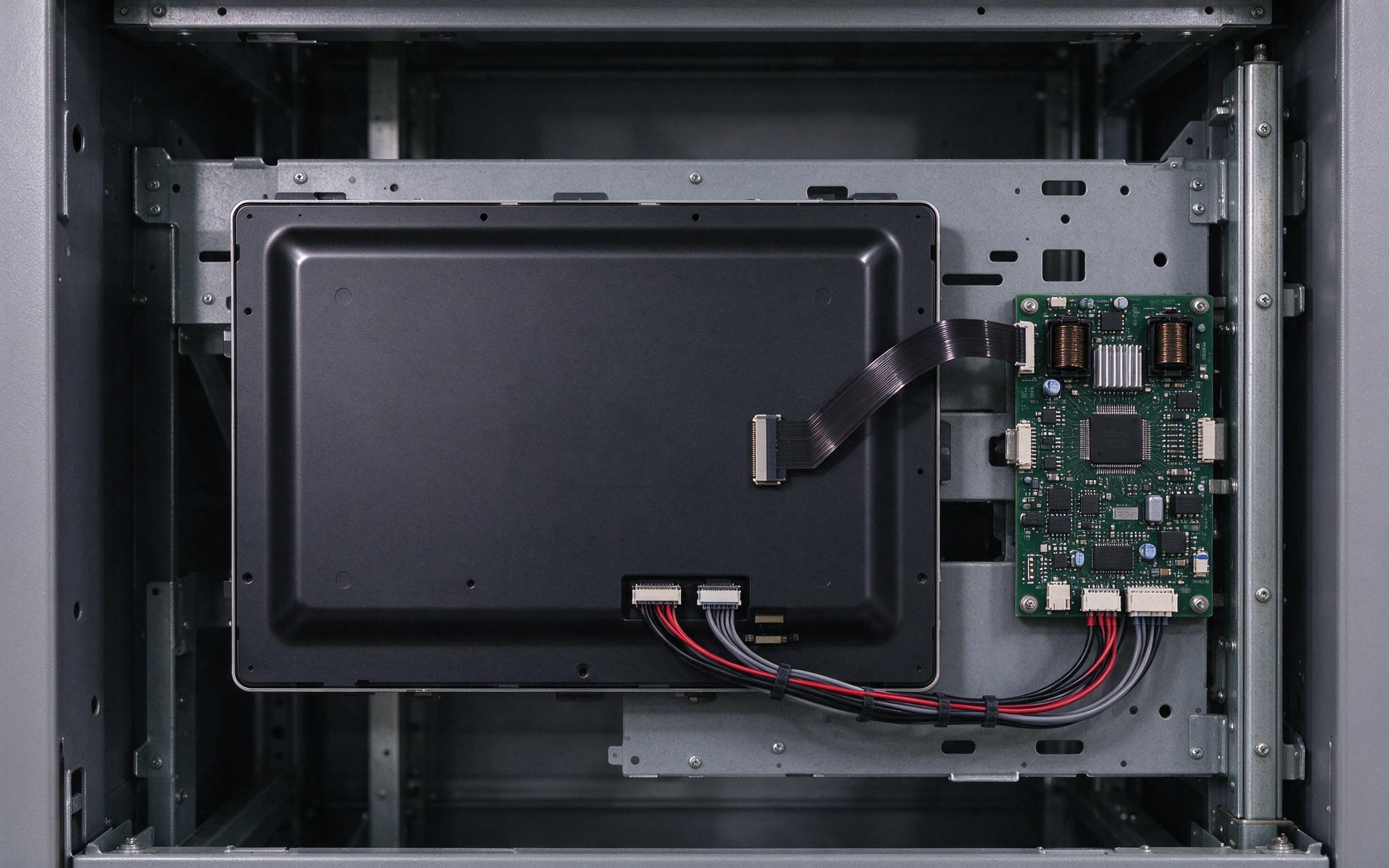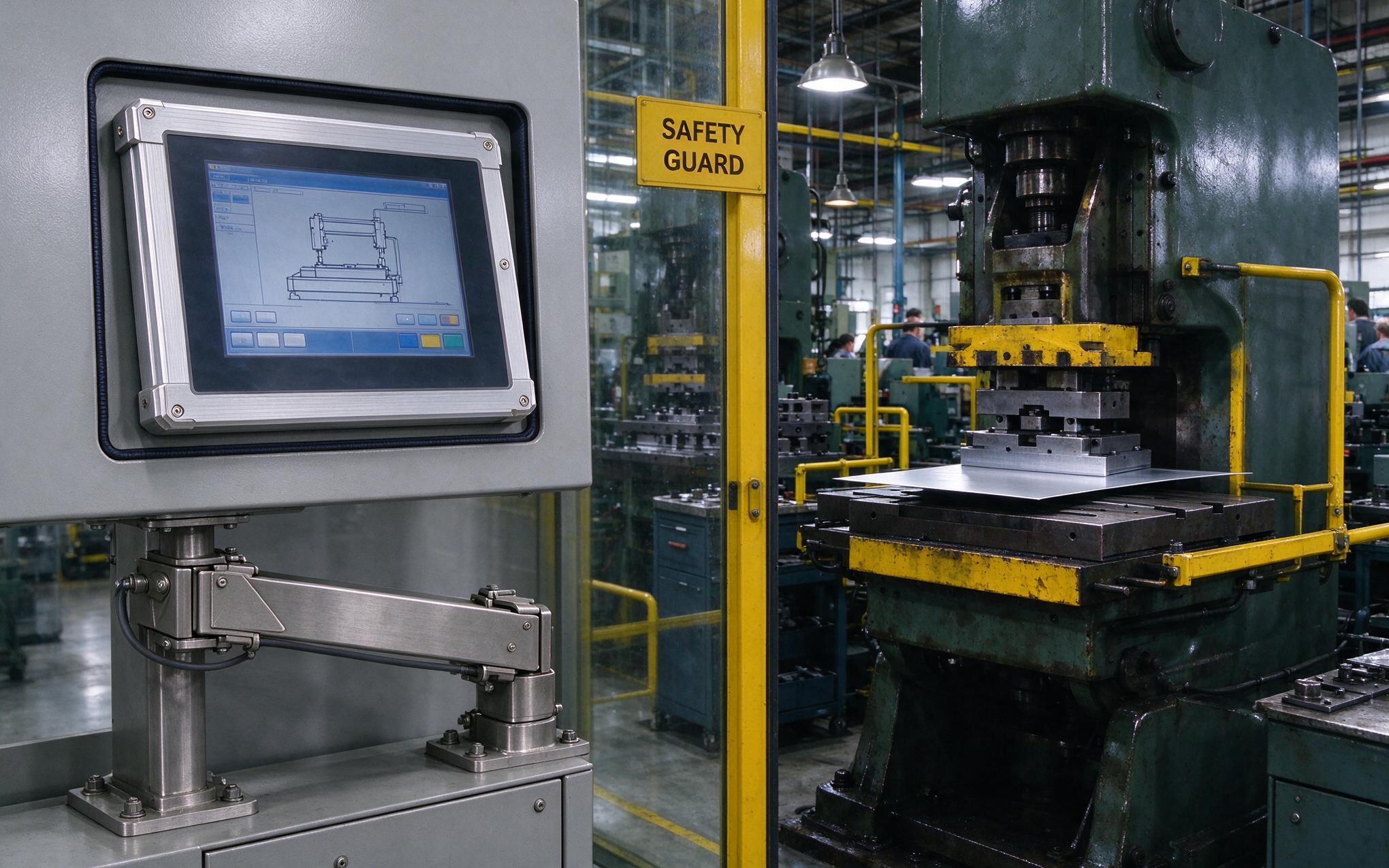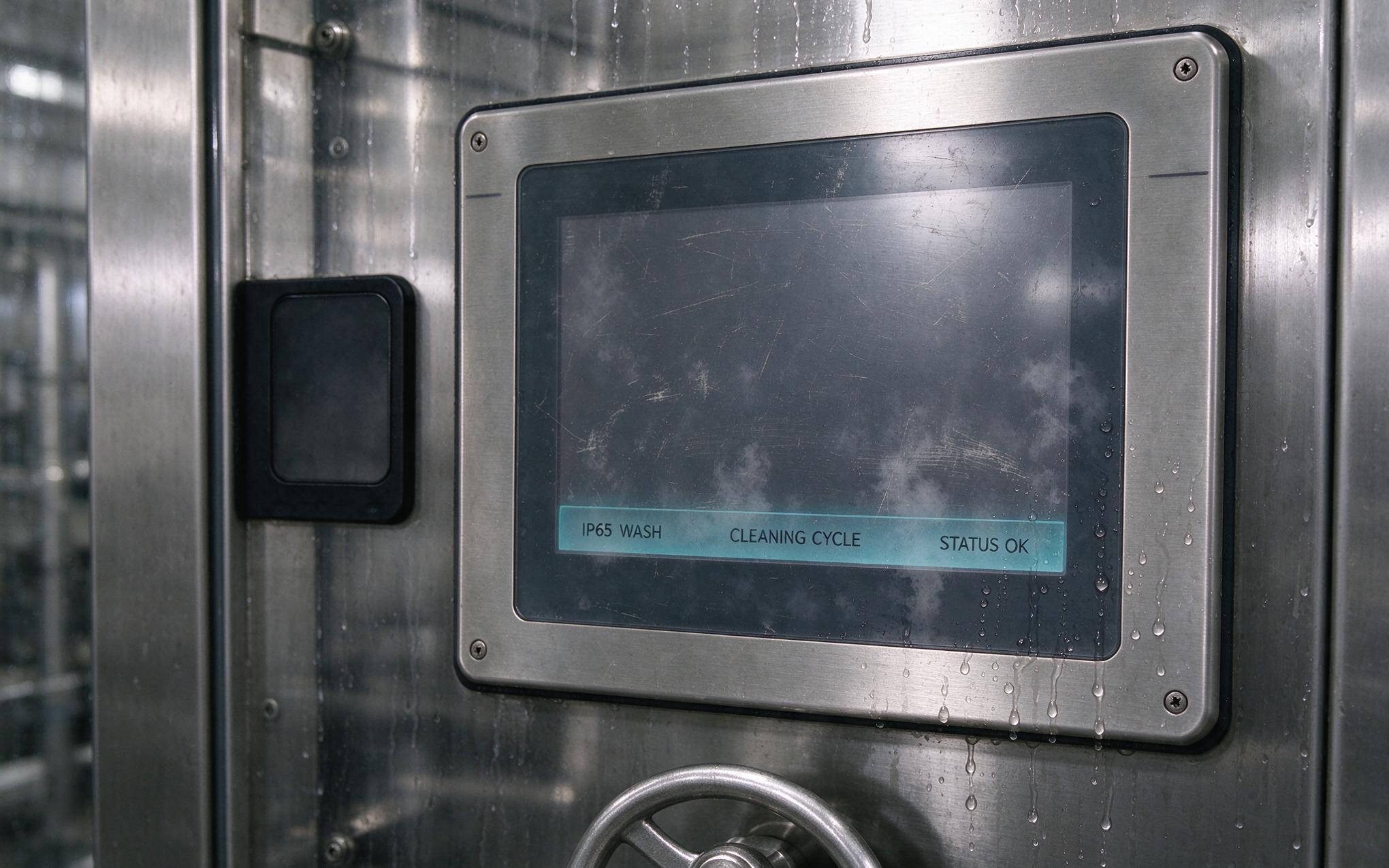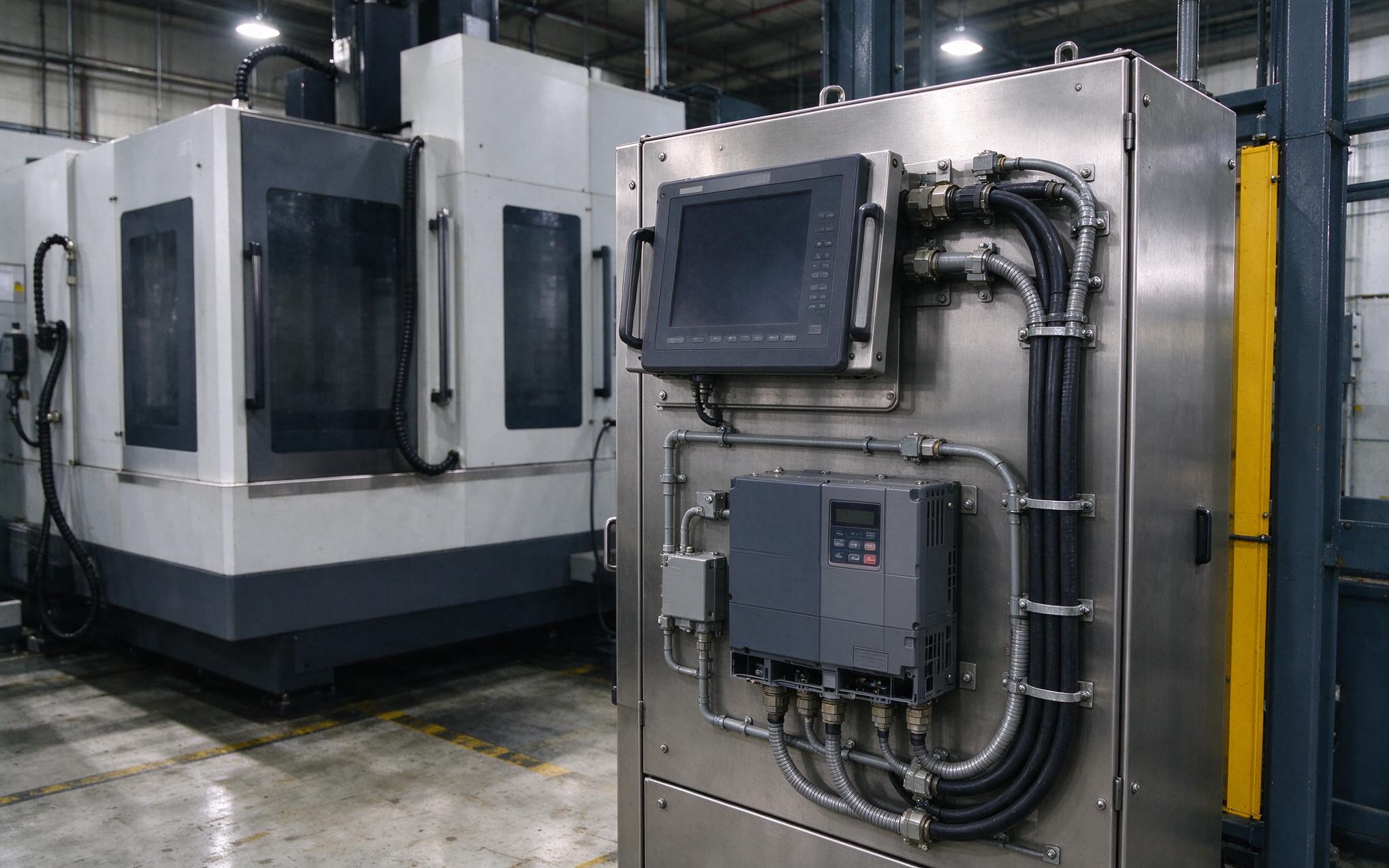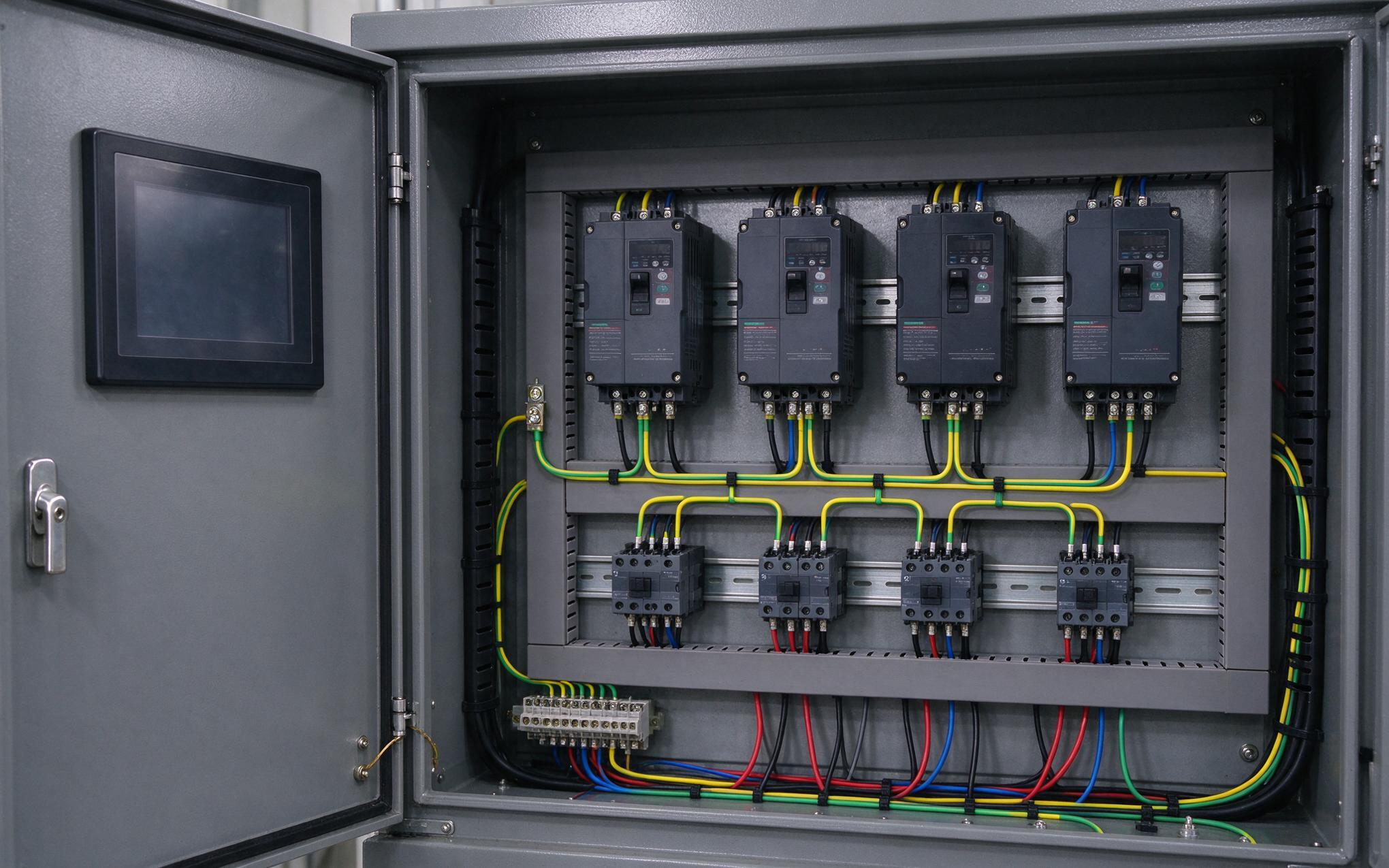
A shutdown at a plastics compounding plant traced back to a background service that had been suspended by an aggressive power management policy, leaving an operator terminal displaying stale values for nine minutes. The hardware was sound and the kernel was current, so investigation moved into userspace, where the mobile heritage of the operating system shows through most clearly. Android on an industrial touch screen brings a mature graphics stack and low silicon cost, and it also brings assumptions about battery life, storage wear and application lifecycle that were never written for a device expected to run continuously for five years.

Pinning Application Lifecycle Against Aggressive Power Policy
Mobile power management assumes an idle screen means an idle user. Background execution limits and doze behavior suspend network access and defer alarms for processes the framework judges inactive, which is correct for a handset and wrong for an industrial touch screen polling a machine controller every second. Firmware supplied by vendors such as KOXIAN often ships with these policies already relaxed for continuously powered builds, which is worth confirming during evaluation because the difference is invisible on a bench test lasting an afternoon. Reliable deployments pin the operator application as a foreground service with a persistent notification, hold a partial wake lock tied to the acquisition thread, and add the package to the battery optimization exemption list rather than relying on default behavior. Watchdog coverage belongs in the same discussion, since a hardware watchdog fed by the application rather than by the operating system detects a hung interface that the system itself considers healthy.

Managing Flash Wear on Continuously Logging Terminals
Storage endurance decides service life more often than processor capability. Embedded multimedia cards specified for consumer duty tolerate a limited number of program and erase cycles, and an application appending a log line every second writes far more than the raw data volume suggests, because the flash translation layer erases whole blocks to update small records. An industrial touch screen writing a few hundred bytes per second can therefore consume its endurance budget years before the enclosure shows wear. Practical measures move volatile logs to a memory backed filesystem, batch persistent writes into larger periodic flushes, and disable framework analytics that write continuously without operational value. Reading reported lifetime remaining through the device health interface converts an invisible degradation curve into a maintenance schedule. Component selection lists from manufacturers including KOXIAN distinguish consumer grade storage from industrial grade parts using pseudo single level cell configuration, a distinction that typically changes projected endurance by an order of magnitude.

Locking Down Kiosk Behavior and Update Windows
An industrial touch screen in operator service should present one application and nothing else. Device owner provisioning enables lock task mode, which suppresses navigation gestures, the status bar and recent applications, and it prevents an operator from reaching settings that alter display timeout or network configuration. Automatic updates present a sharper problem, because a framework component updating itself mid shift can restart the interface without warning. Enterprise policy allows update windows to be constrained to defined maintenance periods, and disciplined sites disable automatic package installation entirely, treating firmware as a controlled change with a validation step. A documented recovery path matters equally, since a locked device with no service access turns a configuration error into a return to base repair.

Validating Touch Firmware Behavior Under Electrical Noise
Touch controller firmware on an industrial touch screen behaves differently on a factory floor than in a validation lab. Sensor baselines drift with temperature and humidity, and a controller performing automatic recalibration can adopt a false baseline if a hand rests on the glass during power up, producing an unresponsive region that persists until the next cycle. Motor drives coupling noise into the sensing layer create the opposite artifact, where phantom contacts trigger actions nobody requested. Firmware exposing configurable noise suppression, along with a documented calibration sequence that ignores contact during startup, resolves both cases without hardware changes. Confirming that the touch controller and its firmware revision are documented in the product specification is worthwhile, because a silent controller substitution between production batches changes noise behavior on an industrial touch screen even when the model number stays the same.
Adapting a mobile derived platform for continuous industrial service is mostly a userspace exercise. Power policy exemptions, storage write discipline, kiosk provisioning and touch firmware configuration each address an assumption that made sense for a battery powered handset and does not hold for a wall mounted terminal. None of these items appear in a processor comparison, and all of them are testable during evaluation with a sustained run rather than a brief demonstration. Sites that validate a candidate over several days of realistic logging and noise exposure find the relevant limits before the hardware reaches production.