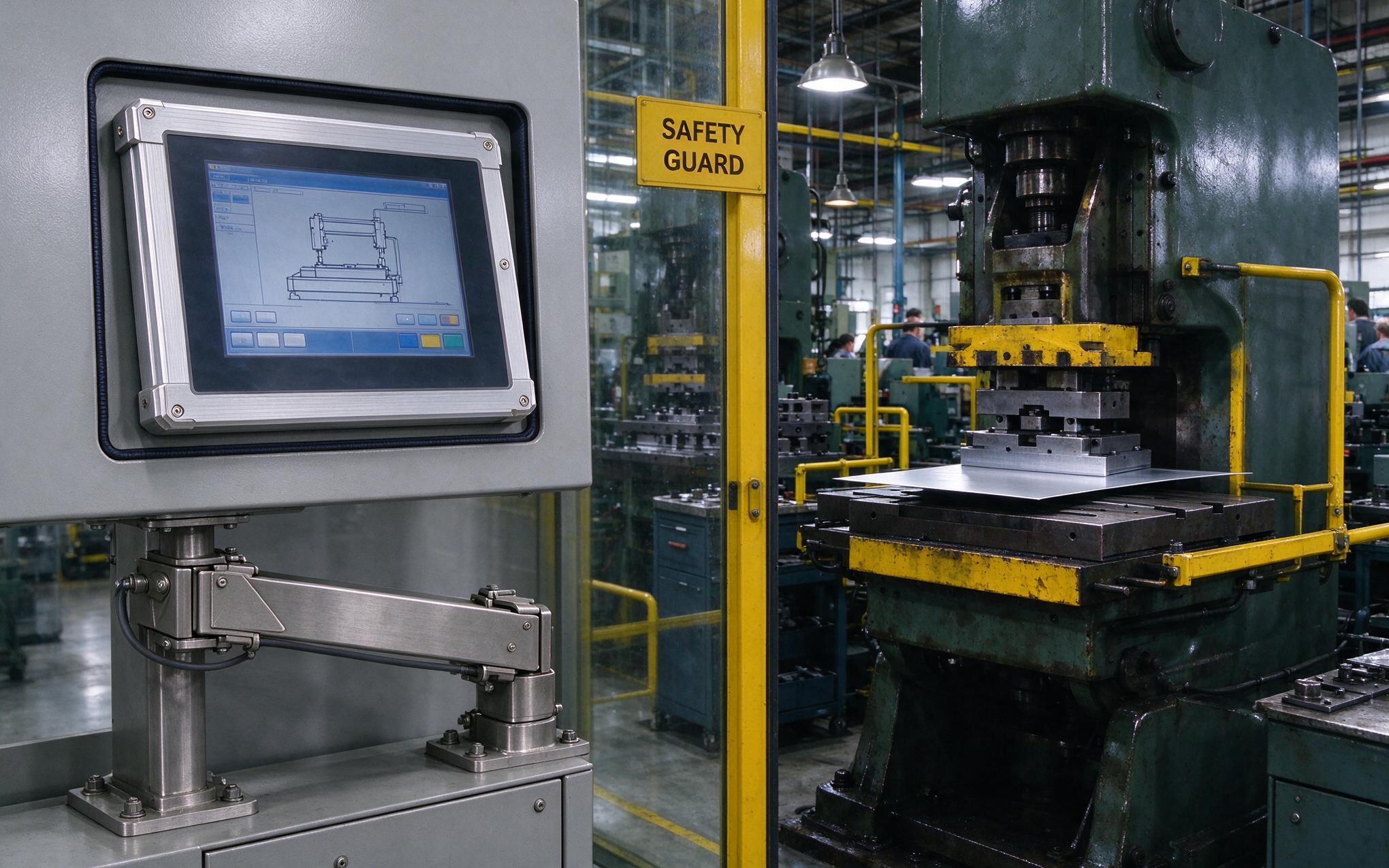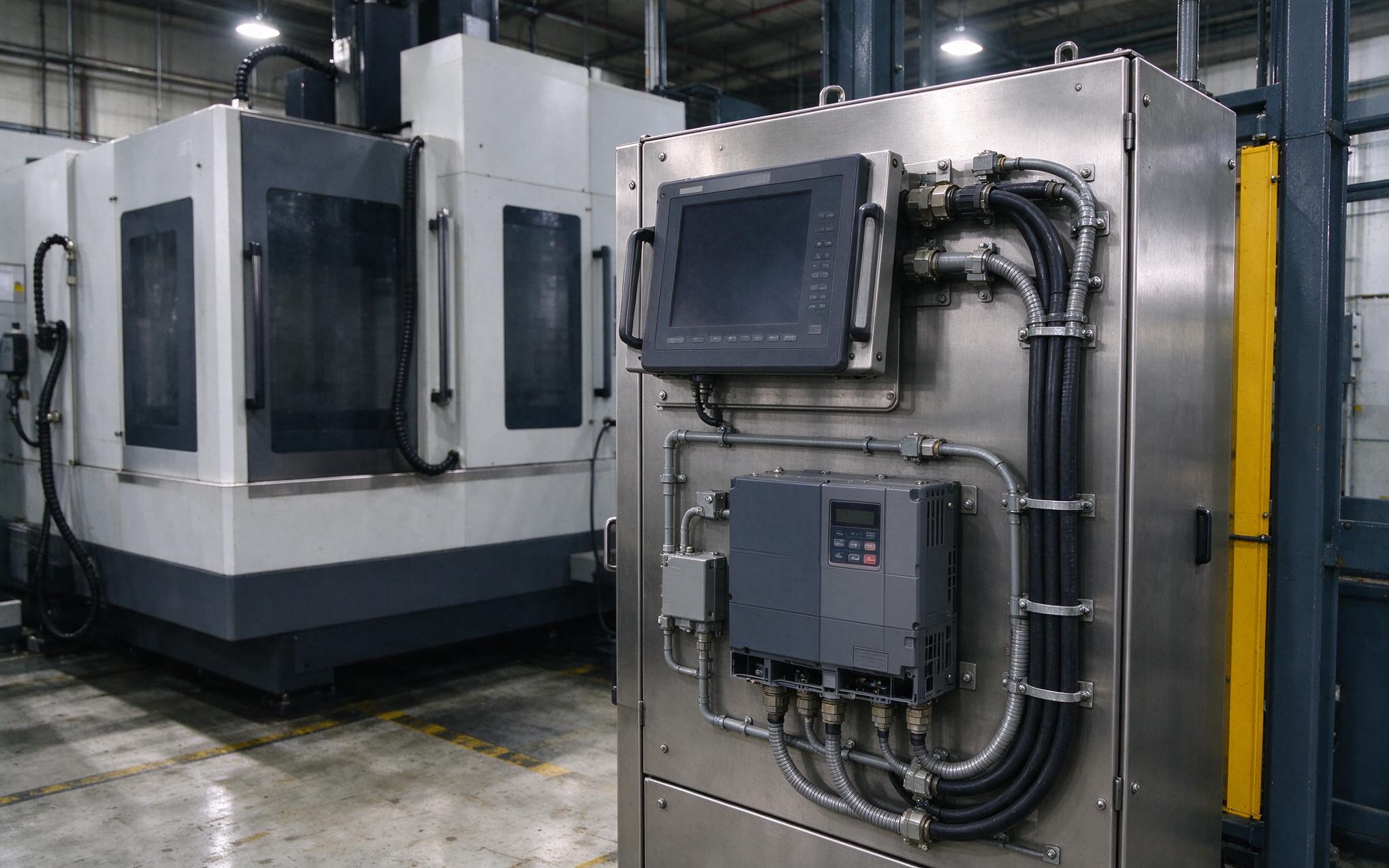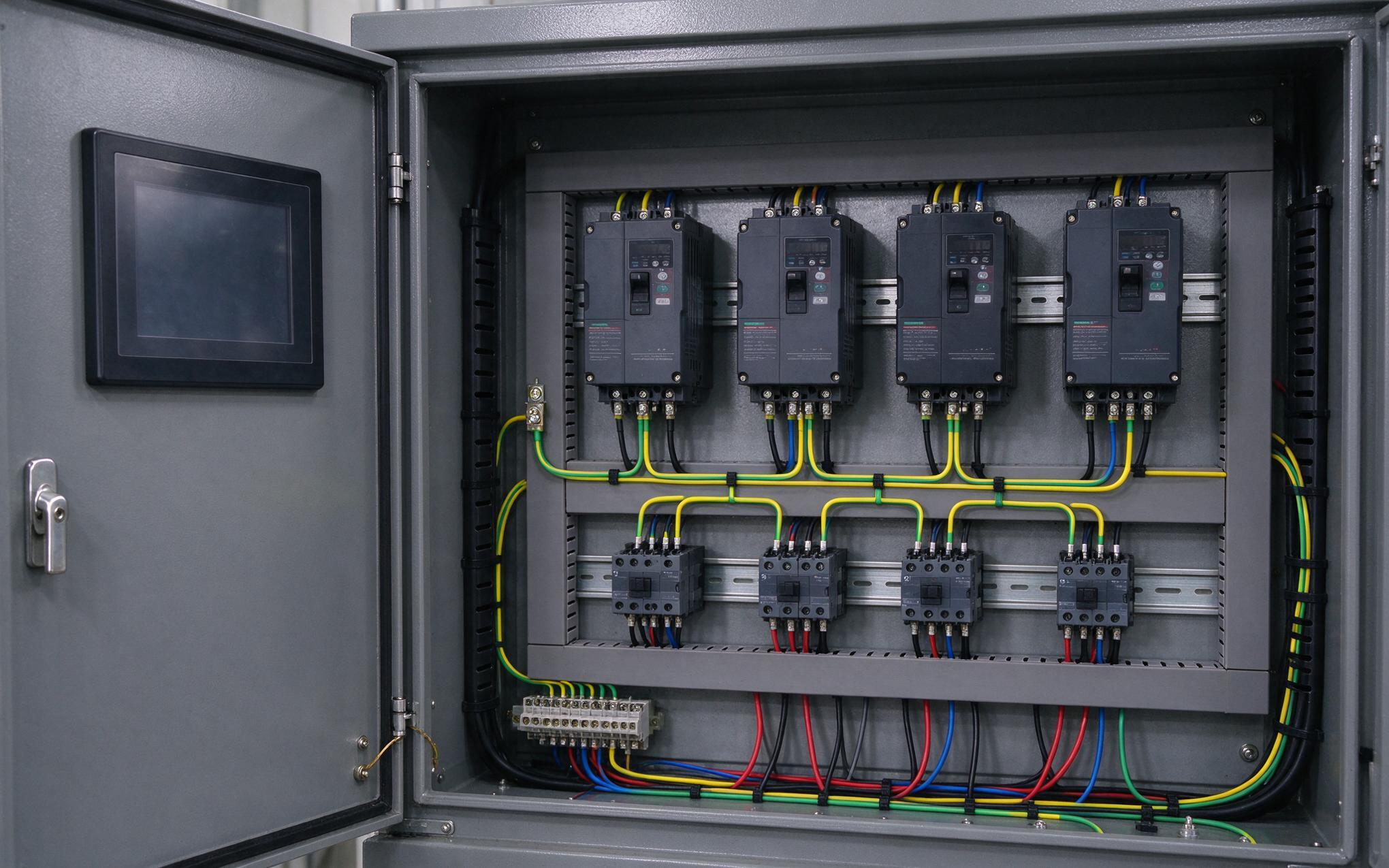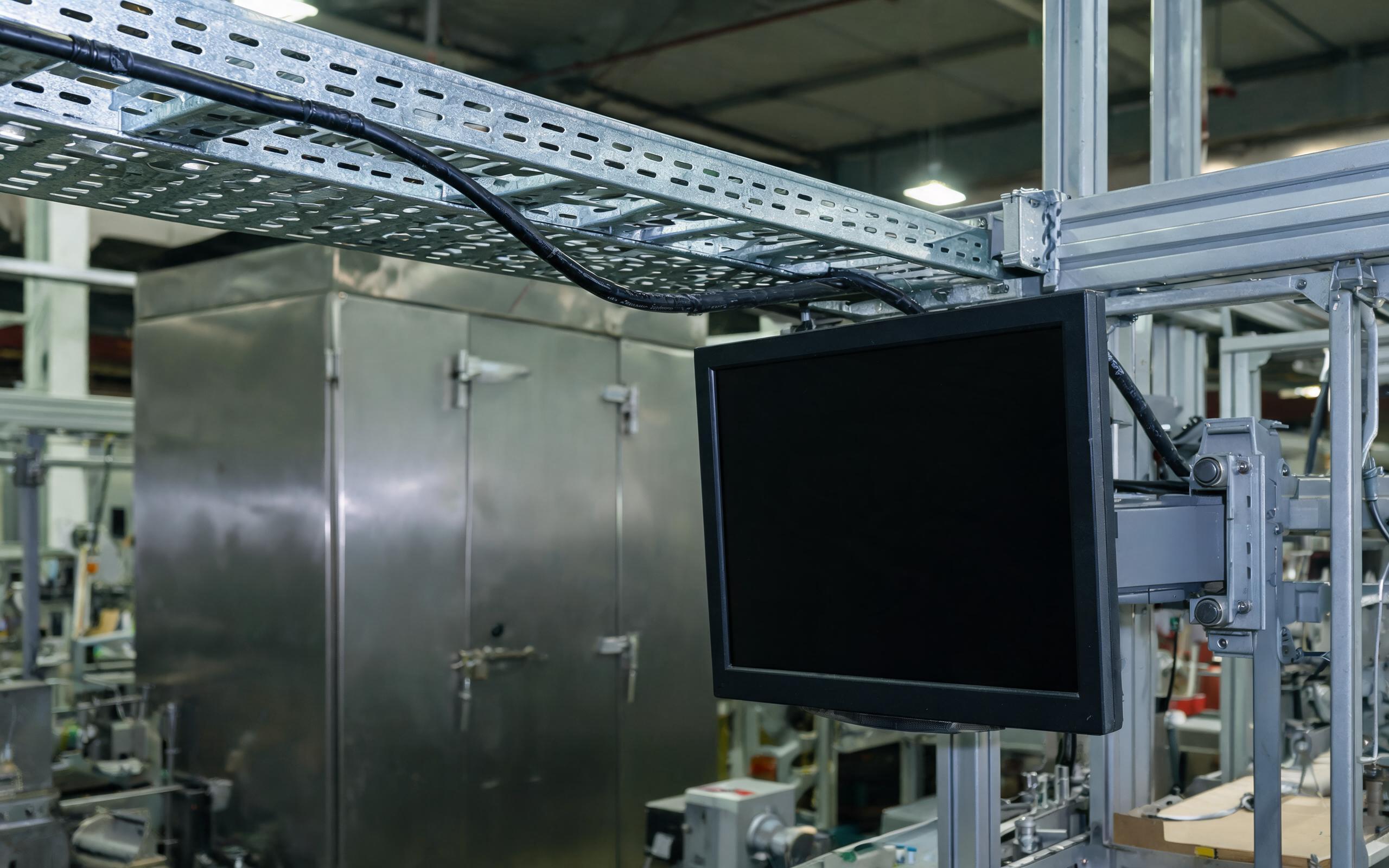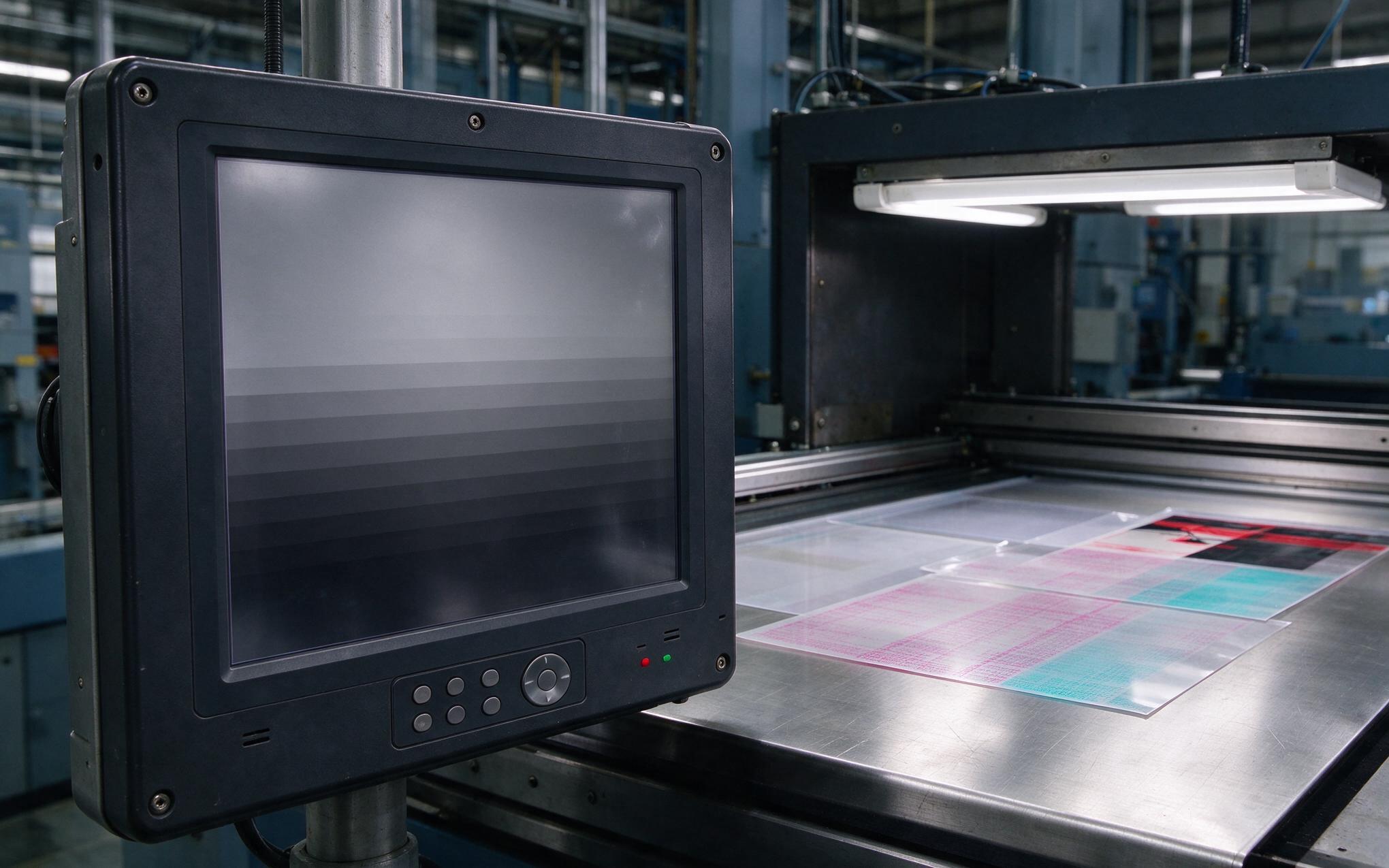
Unplanned downtime struck a Midwest stamping plant three times in a single quarter, each halt traced to a fanless industrial panel pc that silently throttled CPU performance as ambient temperatures climbed past 45°C during the afternoon shift. The derating curve printed on the spec sheet assumed laboratory airflow and sea-level pressure, conditions that bear little resemblance to a factory floor where furnace heat radiates directly onto the enclosure surface. Ambient temperature derating—the systematic reduction of clock speed and power allocation as surrounding air temperature climbs—is the single most underestimated variable in industrial thermal design. Understanding how foundry and food plant environments stress fanless industrial panel pc thermal envelopes is essential for specifying hardware that survives real-world conditions.

Mapping Derating Curves Across Ambient Temperature Ranges
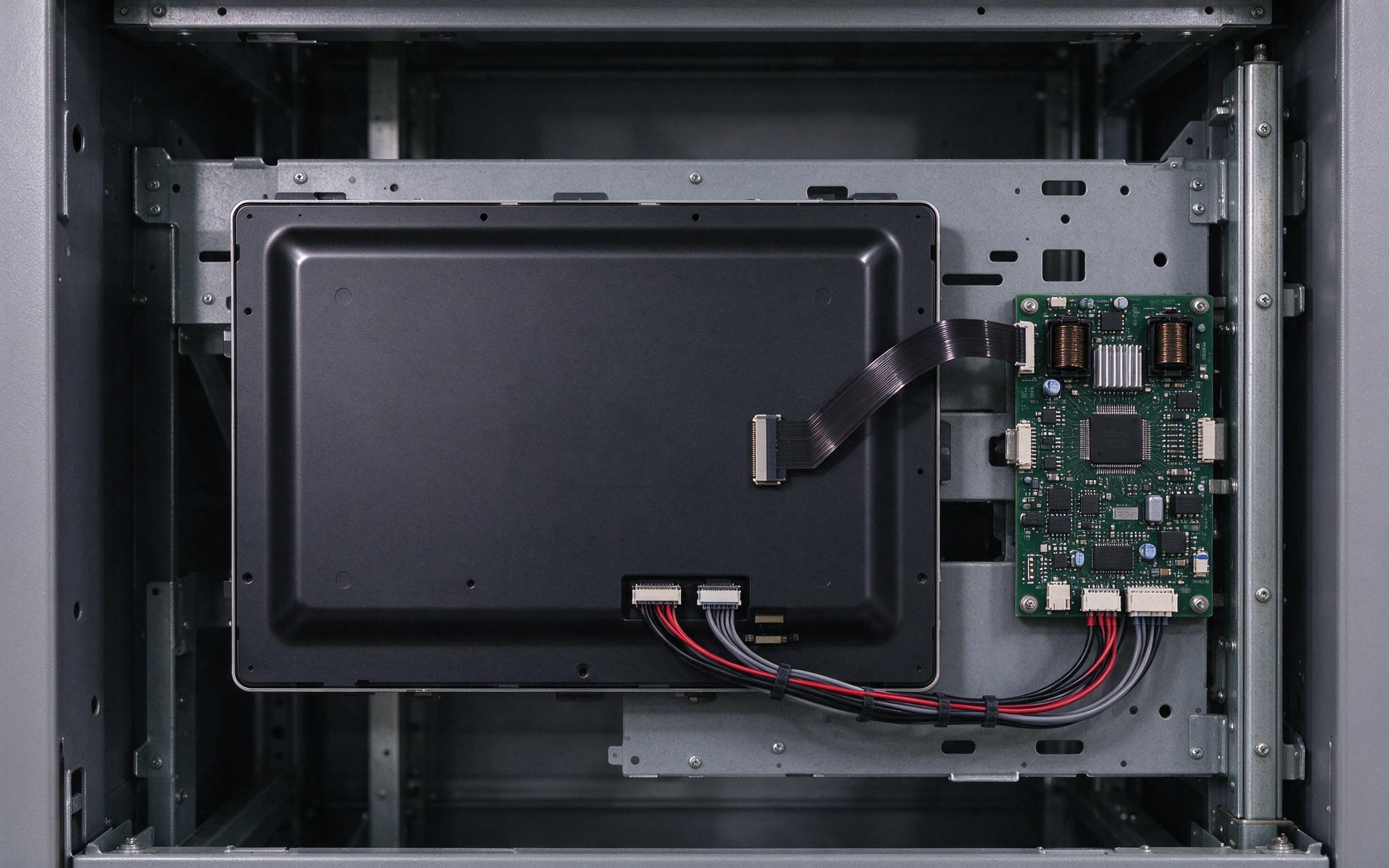
Every fanless computing platform ships with a junction-temperature specification—typically 100°C to 105°C for modern Intel embedded processors. The derating curve maps the permissible TDP draw against measured ambient air temperature, defining the safe operating boundary before thermal throttling engages. Enclosure design governs where that boundary falls, and manufacturers like KOXIAN build die-cast aluminum housings that function as a monolithic heat sink rather than relying on bolt-on fin assemblies that add thermal resistance at the plate-to-chassis interface. At 35°C ambient, a given panel may sustain its full rated TDP; at 50°C, that same platform might only be permitted 60 percent of its headline performance. The curve is not linear. Between 40°C and 55°C, the slope steepens sharply because the thermal path—from die through TIM, heatsink, enclosure fins, and finally natural convection to room air—loses efficiency as the temperature delta between surface and ambient shrinks. For a fanless industrial panel pc enclosed in a sealed aluminum chassis, the enclosure itself becomes the primary heat-dissipation surface. Without a fan to force air across fins, natural convection depends entirely on the temperature gradient between the enclosure wall and the surrounding air. When ambient temperature rises, that gradient narrows, convective heat transfer drops, and junction temperature climbs toward the throttle threshold.

Foundry vs Food Plant Thermal Stress Profiles
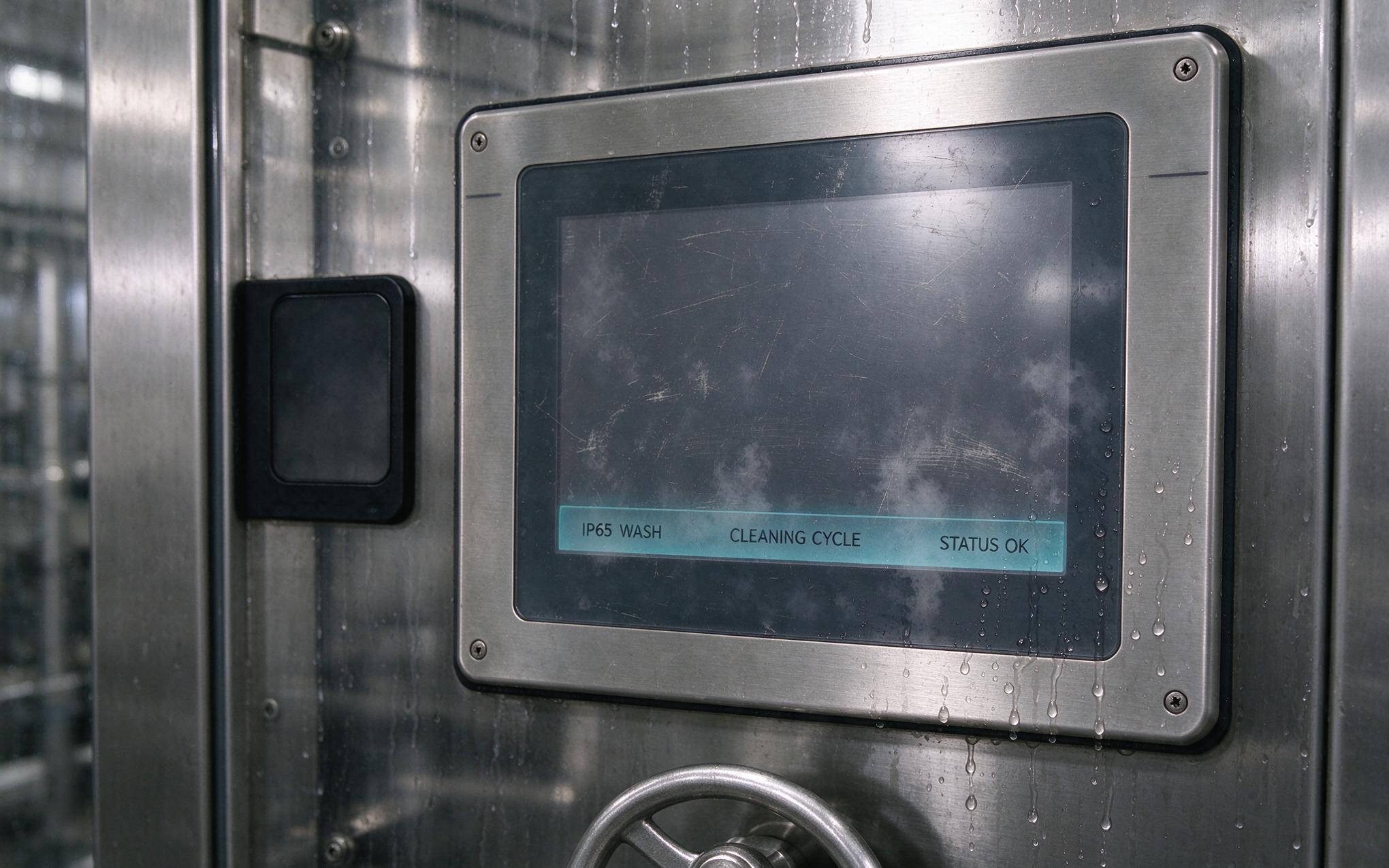
A foundry floor presents sustained radiant heat loads that push ambient air temperatures well above 45°C for entire shifts. The thermal stress is not intermittent—it is continuous, with furnace radiation raising enclosure surface temperatures even in areas away from direct pouring stations. A fanless industrial panel pc in this environment faces a compounding problem: the enclosure must dissipate internal CPU heat while simultaneously absorbing radiant heat from nearby furnaces. Field data from deployments across Southeast Asia shows that gradual performance degradation is the most common outcome when derating margins are insufficient. The CPU reduces clock speed in discrete steps to manage junction temperature, producing slower data acquisition, delayed operator interface responses, and in worst cases, missed timing windows for vision inspection triggers. Food processing plants present a different thermal profile. Ambient temperatures may only reach 30°C to 35°C, but the combination of warm washdown water, steam, and enclosed cabinet mounting creates pockets of elevated temperature around the panel enclosure. Electrolytic capacitor aging accelerates under sustained thermal stress—every 10°C increase above rated operating temperature roughly halves electrolytic capacitor lifespan. In the power supply stages of these sealed platforms, this translates to premature ripple voltage failures that can corrupt storage media or cause unpredictable reboot cycles.

Site-Specific Derating Strategies
Practical mitigation starts with thermal simulation before hardware procurement. Computational fluid dynamics modeling of the target enclosure under worst-case ambient conditions reveals hotspot locations and informs heatsink geometry decisions. Physical validation follows: placing the unit in a thermal chamber and logging CPU frequency, junction temperature, and storage performance across the full ambient range from 0°C to the site’s documented peak. Enclosure material selection also plays a decisive role. Aluminum alloy enclosures with integrated die-cast fin structures conduct heat roughly four times more efficiently than steel, and the gap widens in natural-convection scenarios where airflow velocity is negligible. Systems from KOXIAN that employ die-cast aluminum enclosures with integrated fin structures tend to exhibit wider thermal margins before reaching these failure thresholds. Monitoring ambient temperature at the installation point with thermocouple logging over a full seasonal cycle provides the baseline data that derating calculations require. For high-altitude installations above 1,500 meters, engineers must derate further because thinner air reduces convective heat transfer even at moderate ambient temperatures.
Ambient temperature derating is not a spec-sheet formality—it is the engineering discipline that determines whether a fanless industrial panel pc deployment delivers its promised uptime or becomes a chronic maintenance burden. Engineers who invest in thermal simulation, real-world derating validation, and enclosure-aware material selection consistently outperform those relying on nominal datasheet figures. The gap between a throttled line and a fully utilized one often comes down to a few degrees of thermal margin accounted for at the specification stage.