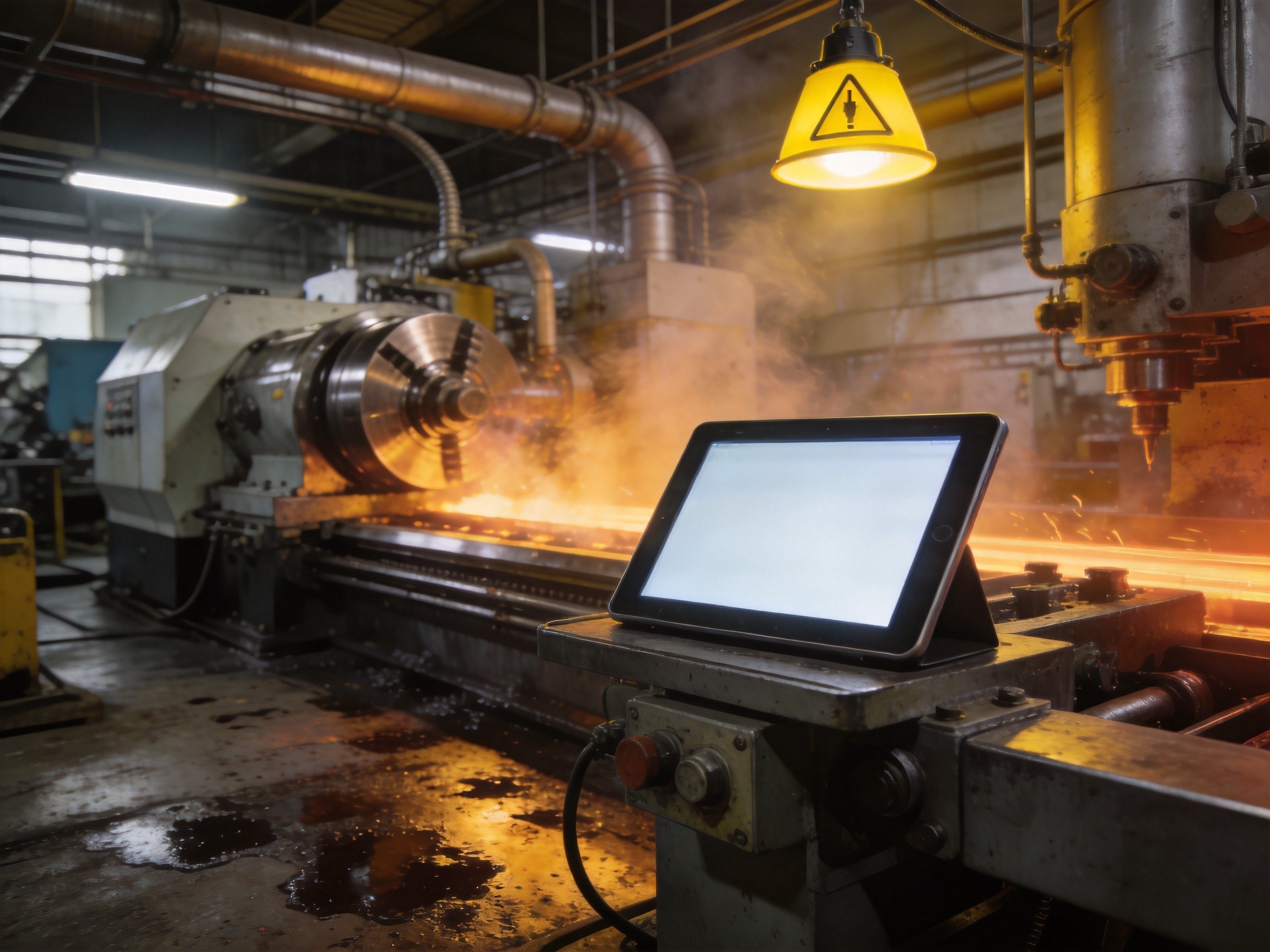
Industrial panel PCs operating in harsh manufacturing environments face a constant battle against heat. High ambient temperatures, combined with heat generated by internal processors, memory modules, and power supplies, can lead to system instability, reduced component lifespan, and unexpected production downtime. For facility managers and engineering teams, understanding and addressing overheating challenges is critical to maintaining reliable 24/7 operations and minimizing costly production interruptions across manufacturing, energy, and transportation sectors.
Why Overheating Threatens Industrial Computing Reliability
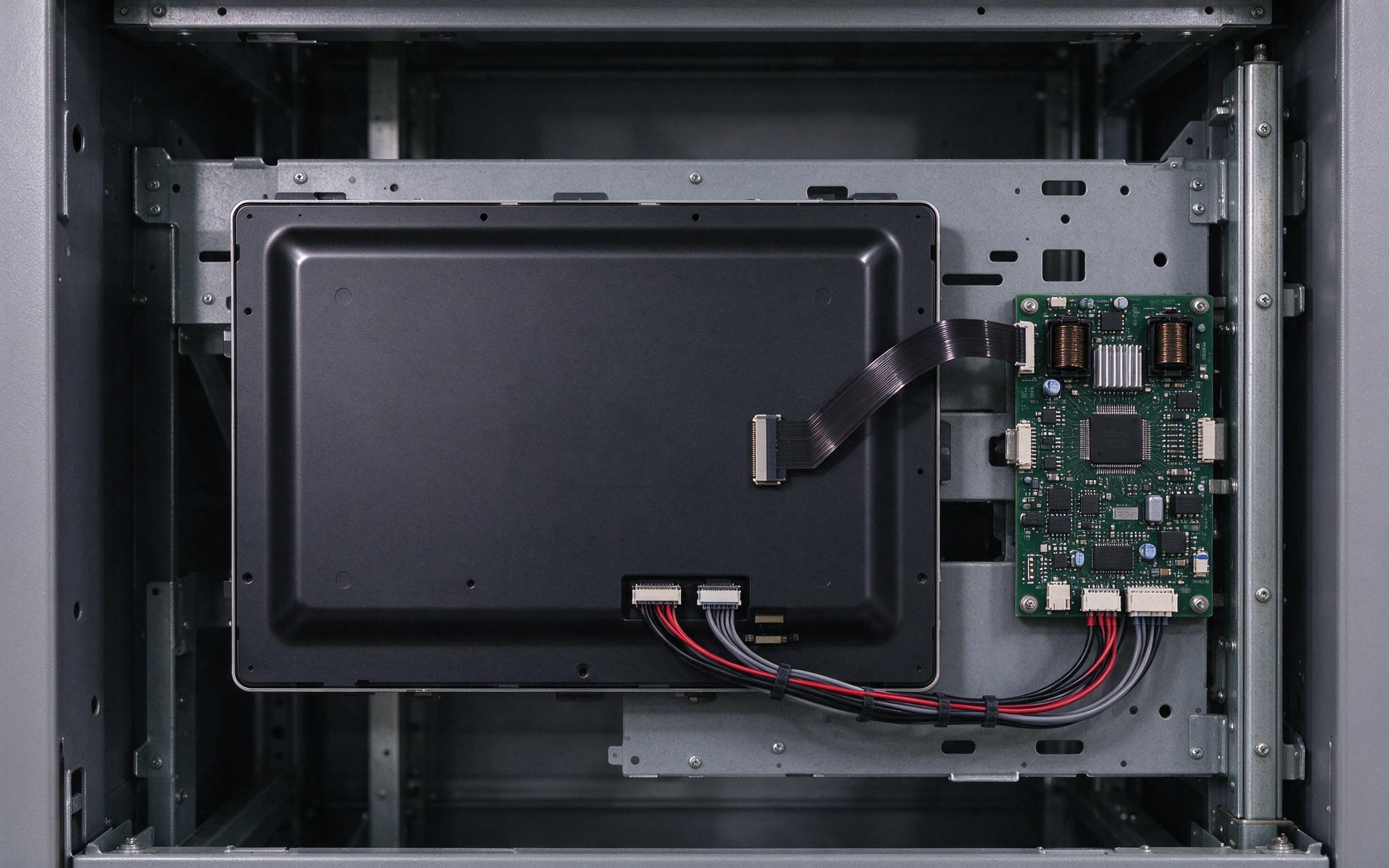
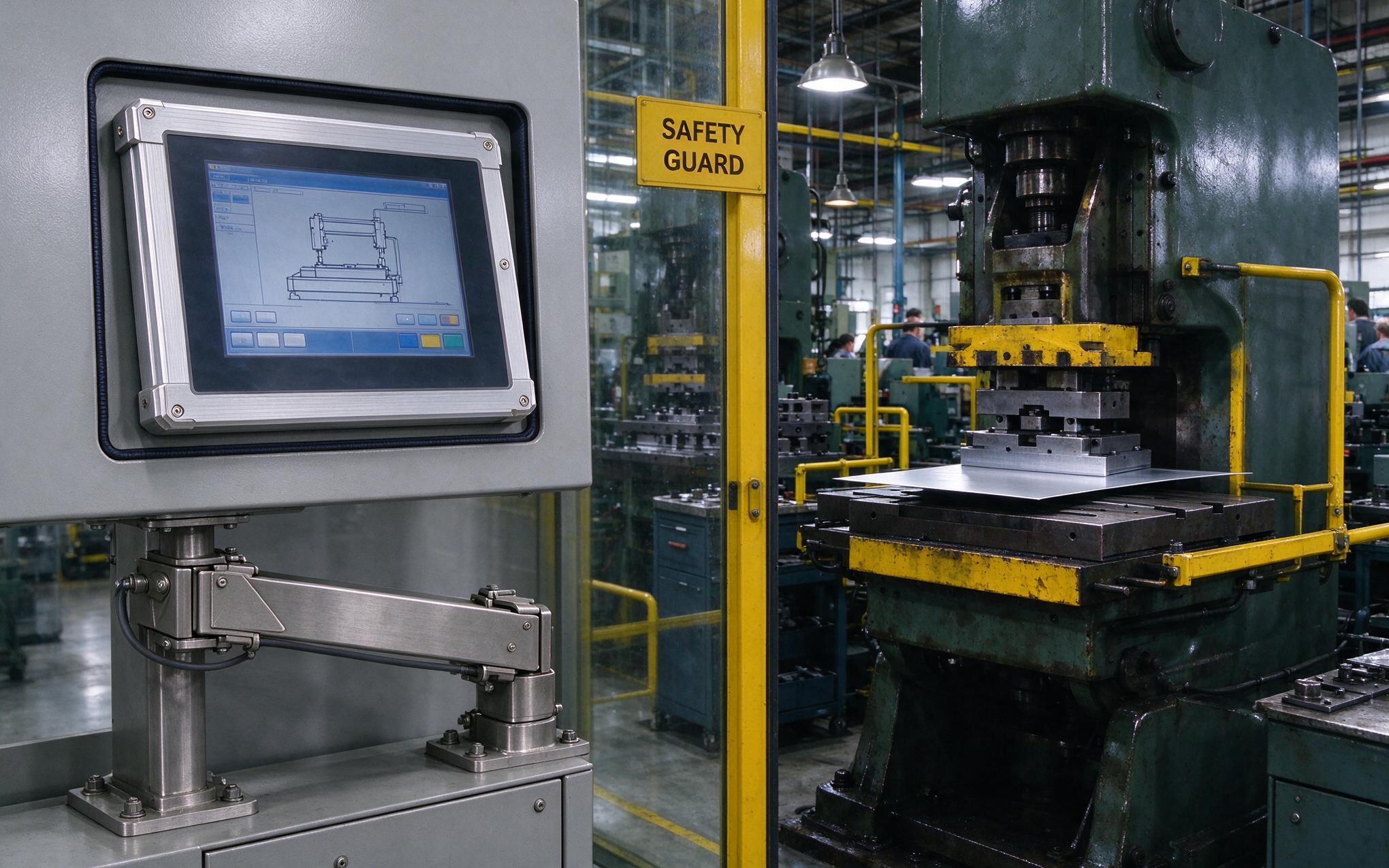
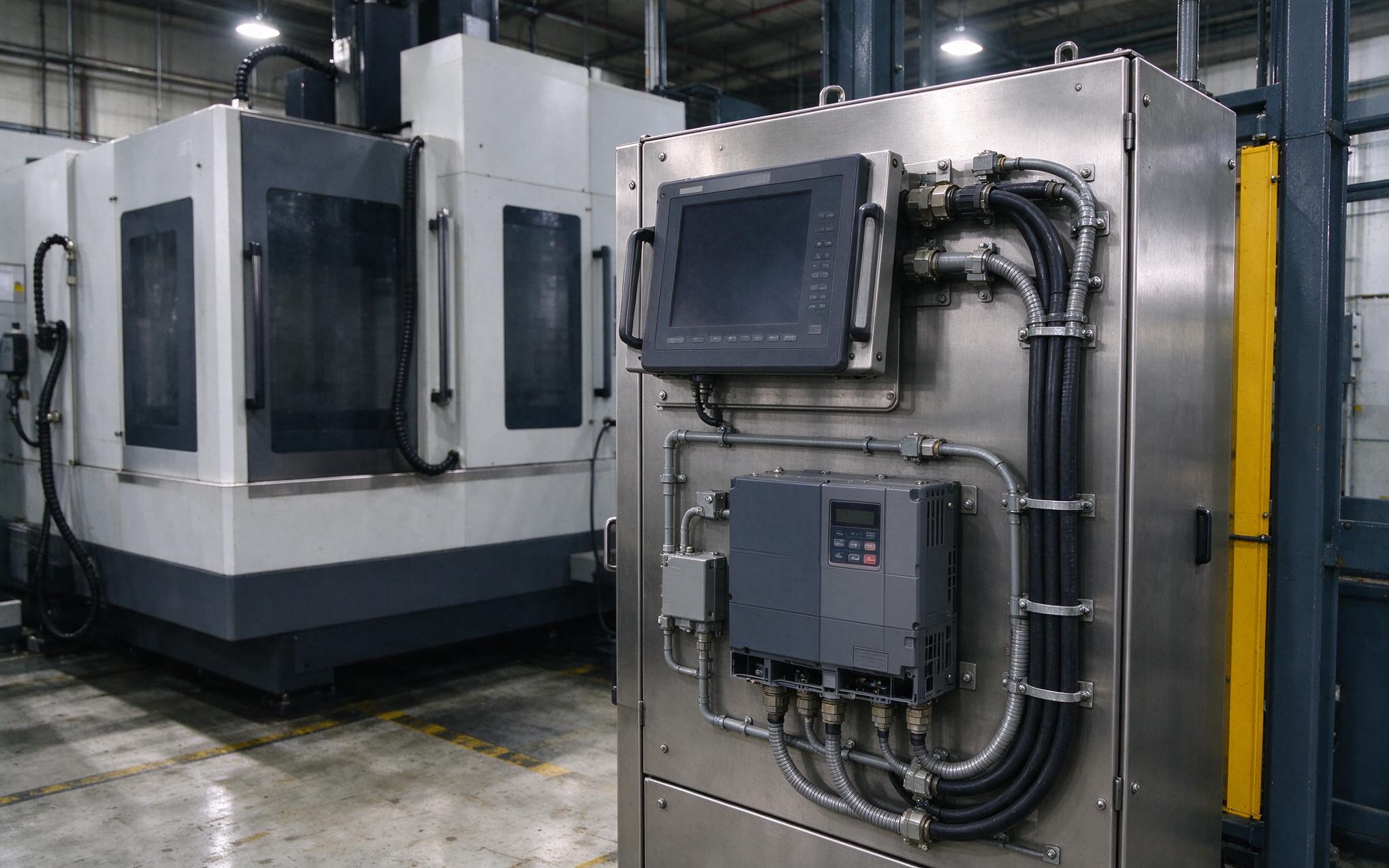
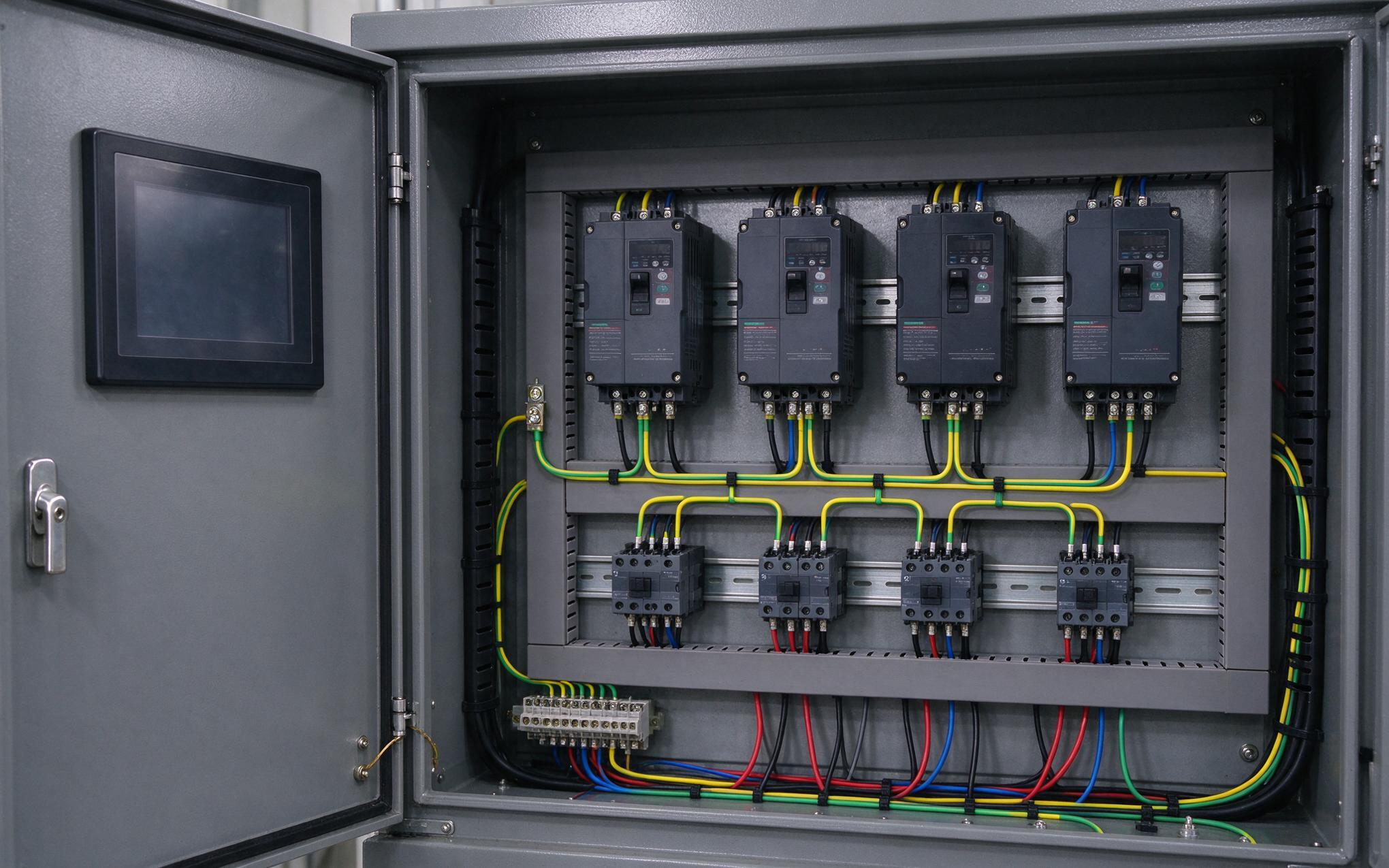
In manufacturing facilities, steel mills, and outdoor industrial installations, ambient temperatures can exceed standard commercial computing limits by 20 to 40 degrees Celsius. When internal components operate beyond their rated temperature ranges, several cascading issues emerge: CPU thermal throttling reduces processing performance during critical operations, solder joints degrade faster through repeated thermal cycling, and solid-state storage devices experience higher failure rates at elevated temperatures. The problem compounds in enclosed control cabinets where air circulation is limited, creating heat traps that can raise internal temperatures 10 to 15 degrees above ambient conditions. For continuous operations running 24 hours a day, seven days a week, even minor temperature-related reliability issues can escalate into substantial production losses and increased maintenance costs over time.
Fanless Cooling: The Passive Thermal Solution
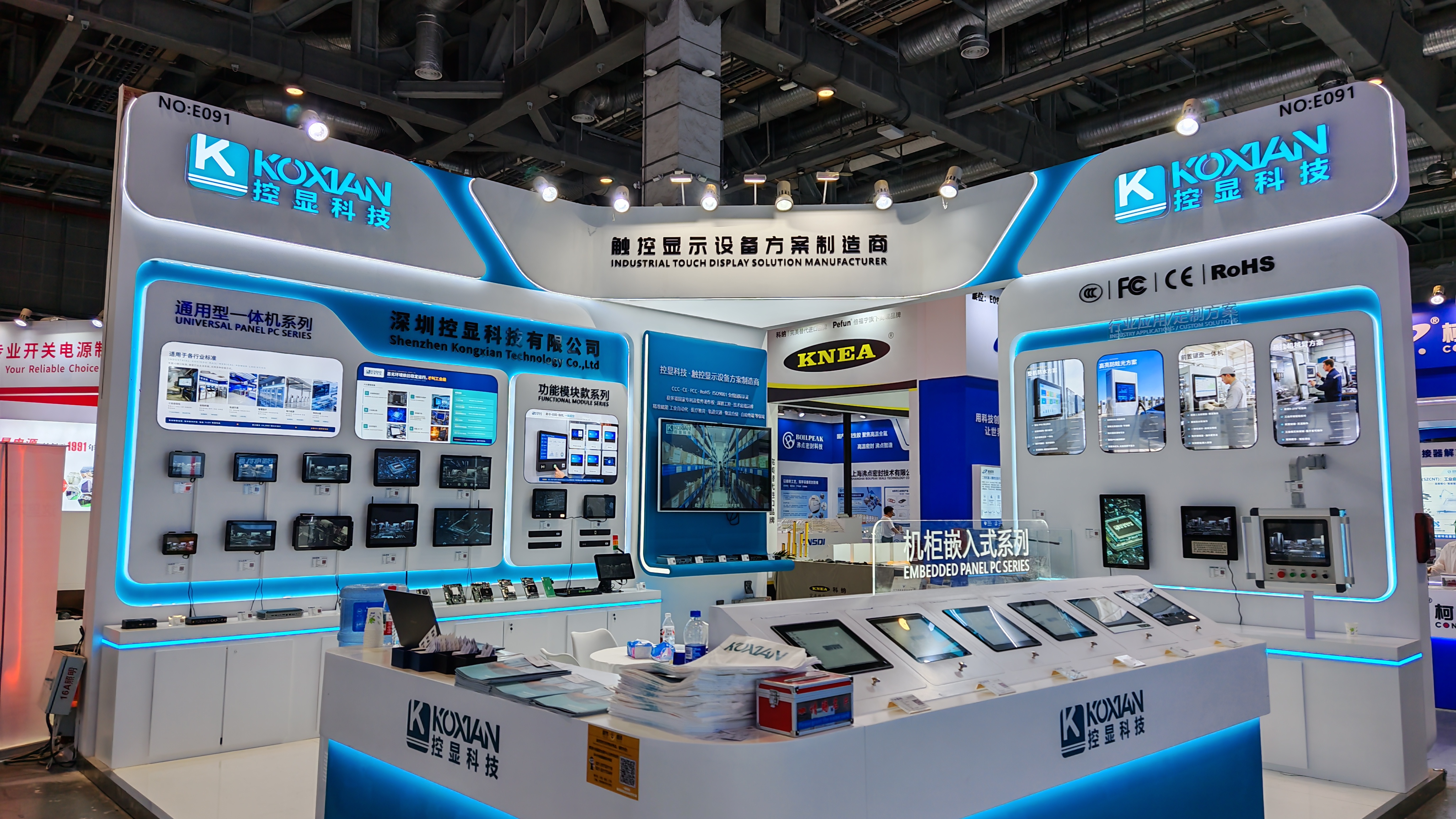
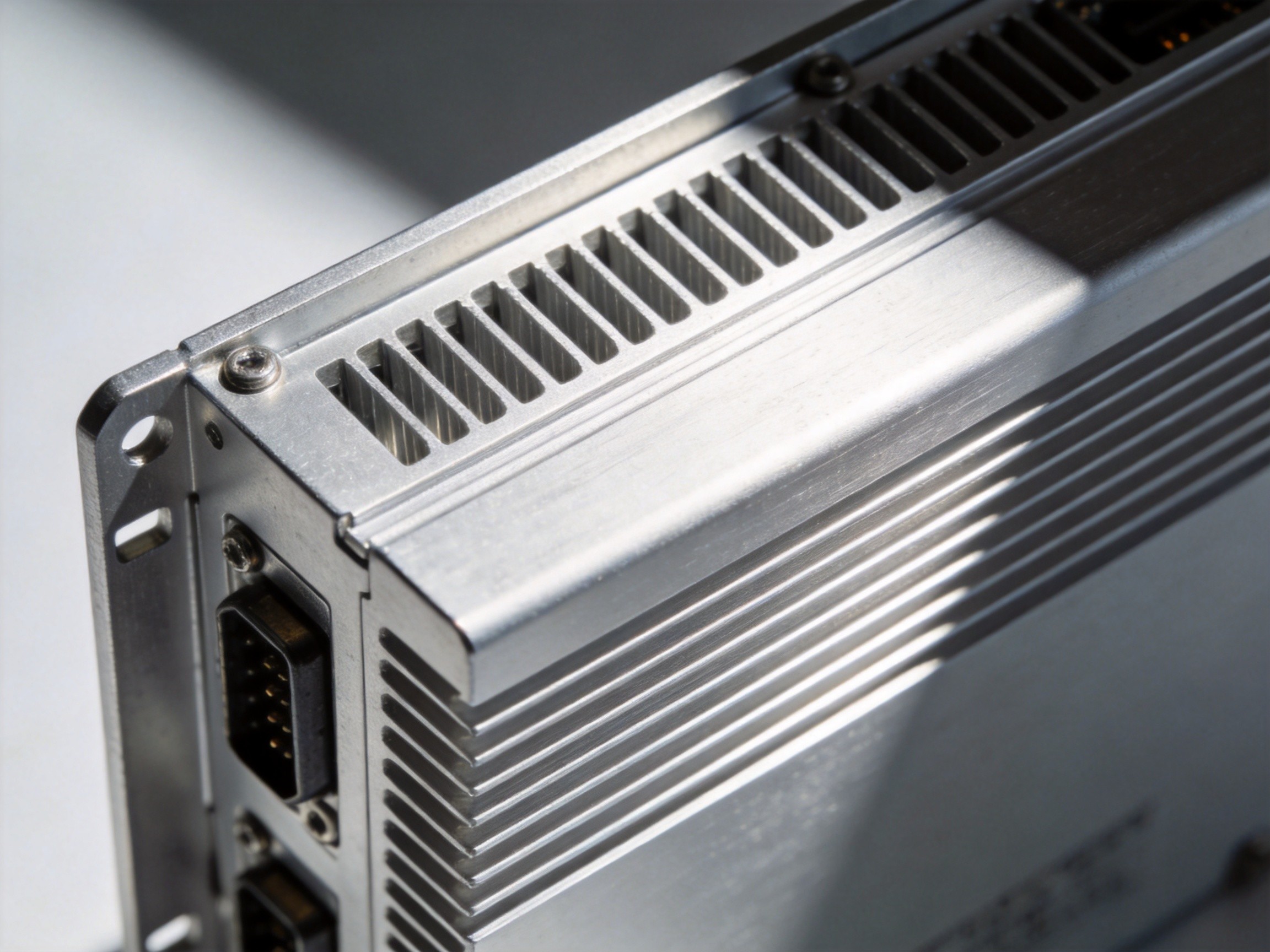
Fanless cooling technology addresses overheating challenges by eliminating moving parts entirely while maintaining highly effective thermal management. The core principle is straightforward: heat-generating components like CPUs, chipsets, and power supplies are mounted directly to the chassis structure or dedicated heat spreaders, allowing heat to conduct through the metal and dissipate naturally into the surrounding air. Aluminum alloy chassis are particularly effective due to their excellent thermal conductivity, lightweight properties, and corrosion resistance. Hardware from KOXIAN, including its G1-series all-in-one panels, uses precision-engineered aluminum alloy chassis designs that maximize heat dissipation surface area while maintaining structural rigidity for demanding industrial environments. This approach delivers multiple additional benefits: zero acoustic noise for laboratory and cleanroom settings, reduced dust intake since no fans pull in contaminated air, and significantly lower periodic maintenance requirements compared to traditional fan-cooled systems.
Key Design Features for High-Temperature Performance
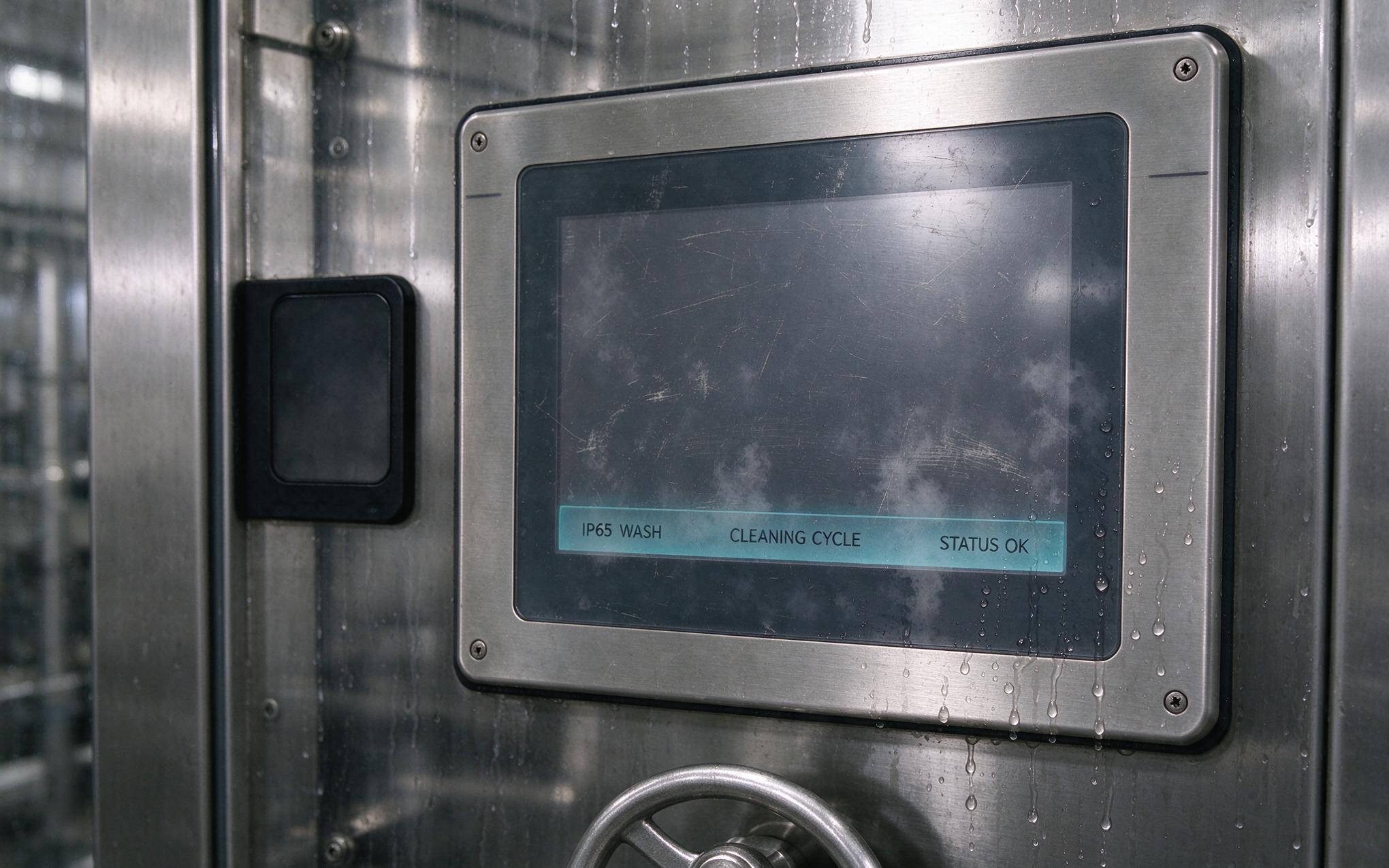
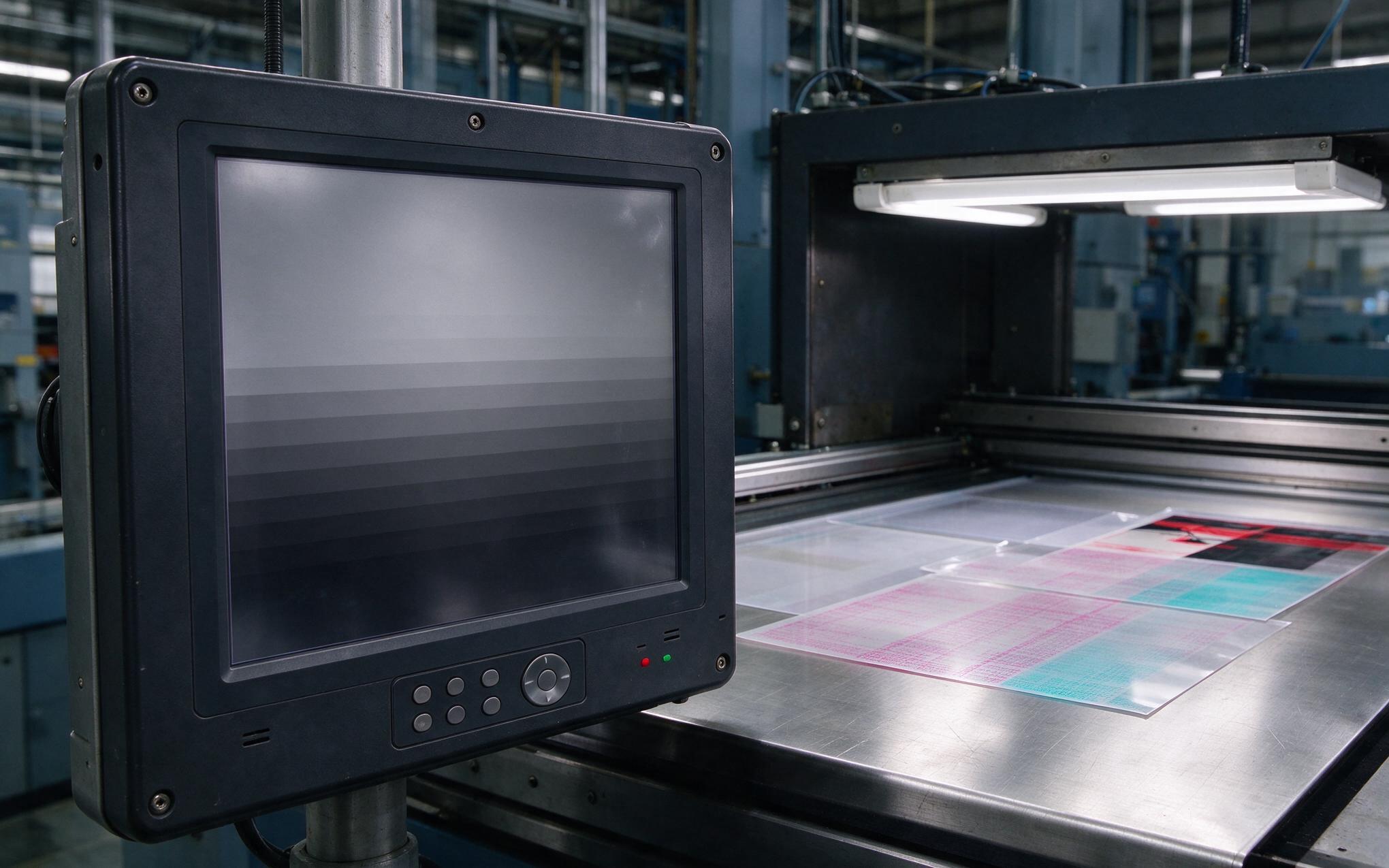
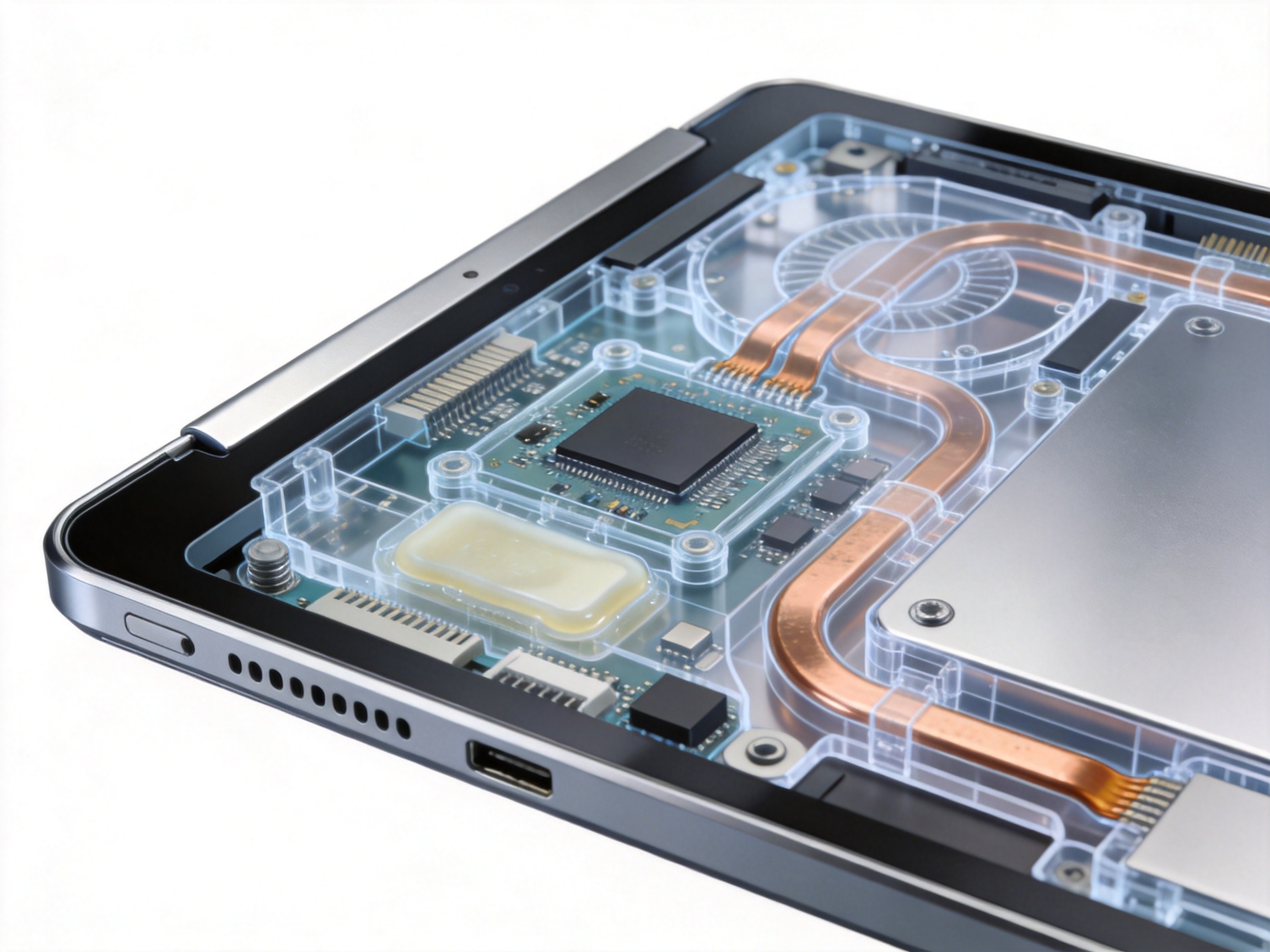
Several critical design elements determine how well an industrial panel PC handles sustained high-temperature operation. Wide temperature range components—rated for -40°C to 85°C continuous operation—provide the fundamental foundation for reliable performance across extreme environmental conditions. Thermal optimization through careful component placement ensures hot spots are minimized and heat-generating elements are positioned near cooling surfaces for maximum heat transfer efficiency. Efficient power supply design reduces wasted energy that converts to excess heat, while low-power processors and solid-state drives further minimize thermal load without sacrificing performance. Sealed enclosures with IP65 front panel ratings protect against dust and moisture that can degrade thermal performance over time by insulating components or clogging ventilation paths. These design elements work together to ensure reliable operation even under the most demanding industrial conditions.
Selecting the Right Panel PC for Your Environment
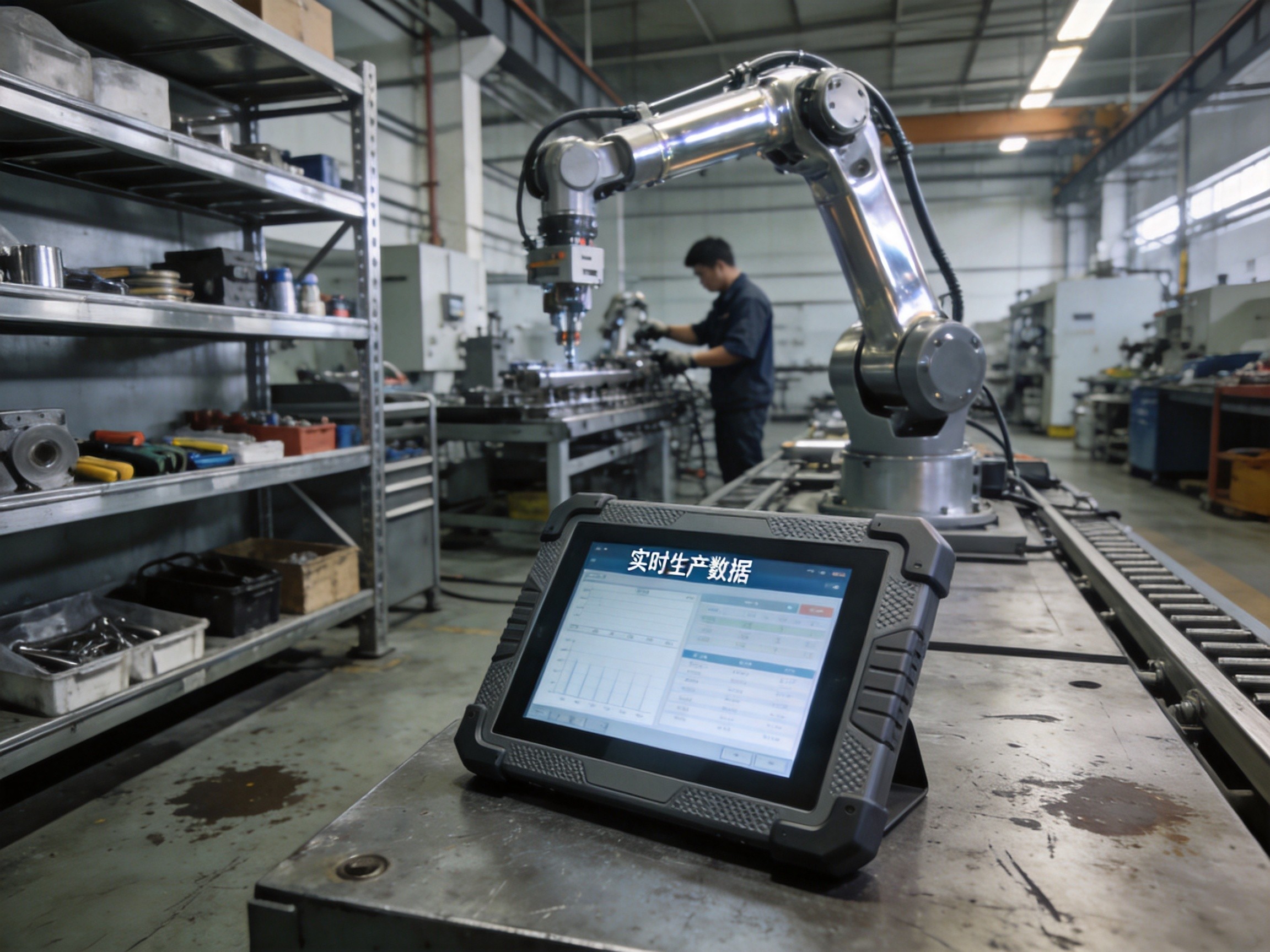
When evaluating industrial panel PCs for high-temperature applications, organizations should look beyond basic temperature specifications to consider real-world performance factors. Verify that published temperature ratings are based on full-load operation rather than idle conditions, as real-world processing demands generate significantly more heat than standby modes. Consider the installation method carefully—panel mount units within enclosed control cabinets will experience higher effective ambient temperatures than freestanding or rack-mount units with better air circulation. The full aluminum alloy chassis designs and IP65-rated fanless construction developed by KOXIAN exemplify the build quality required for sustained reliability in harsh operating conditions, reducing unplanned downtime and lowering long-term maintenance costs. Finally, ensure the manufacturer provides comprehensive temperature testing documentation and offers appropriate warranty coverage specifically for industrial operating environments.