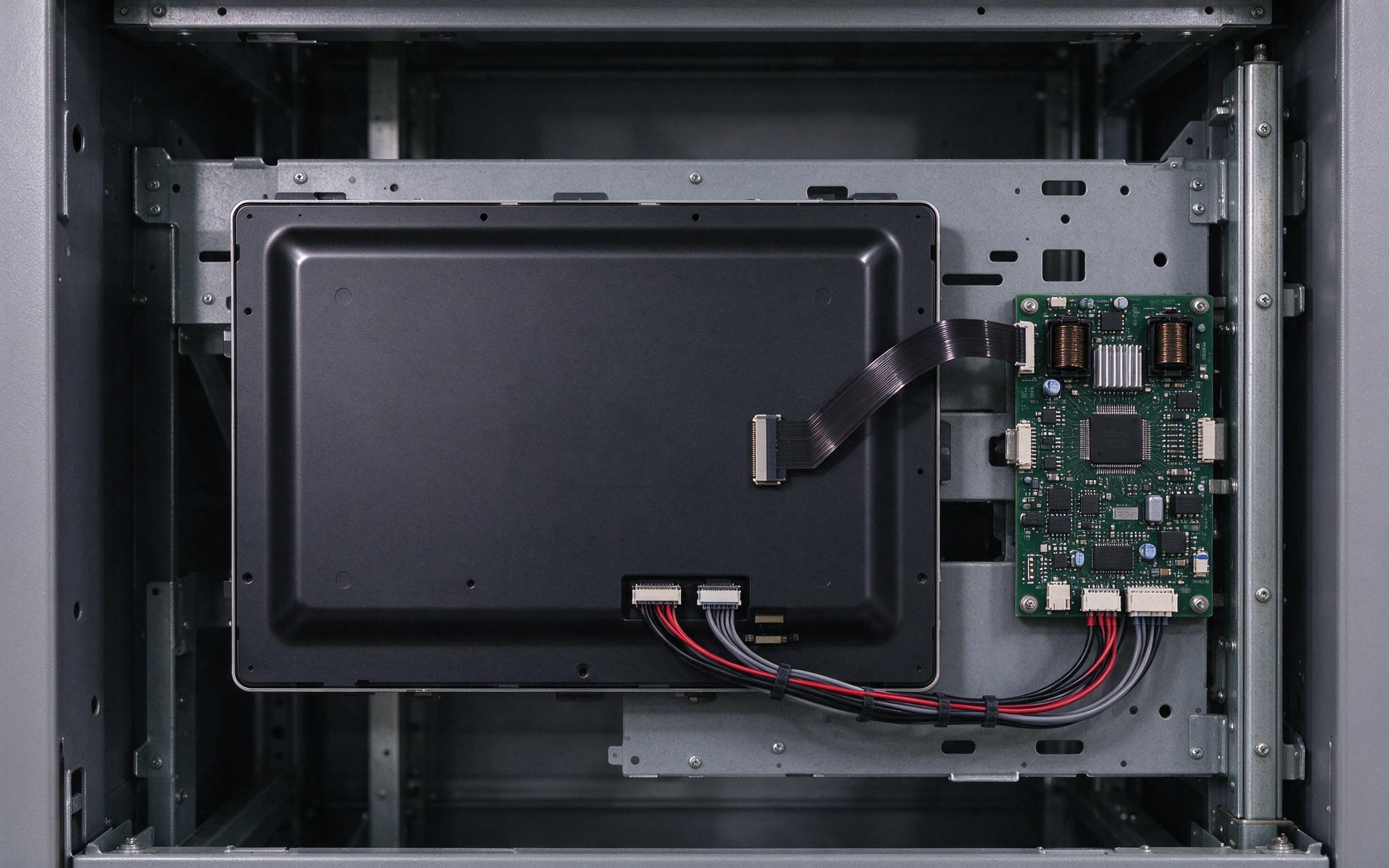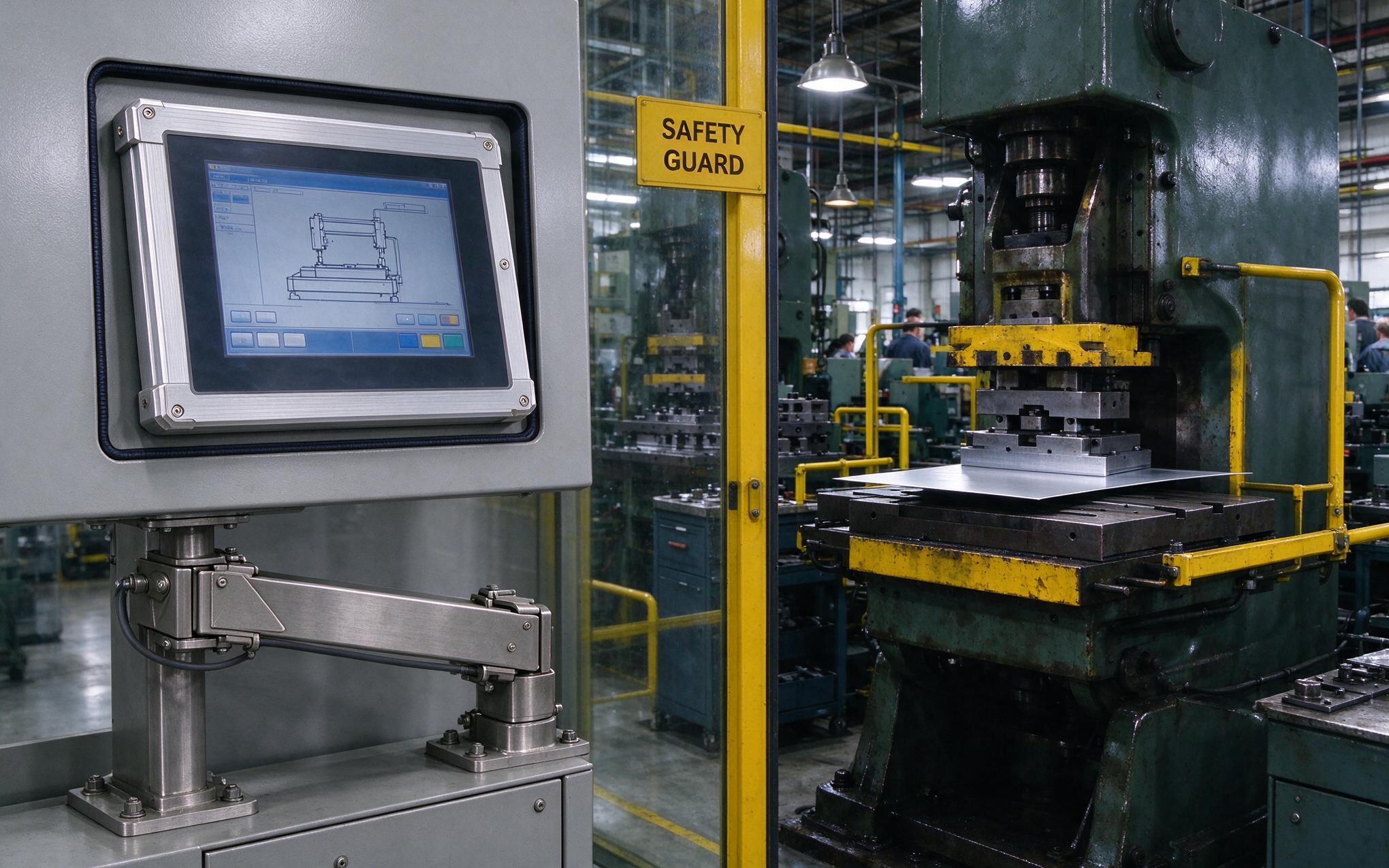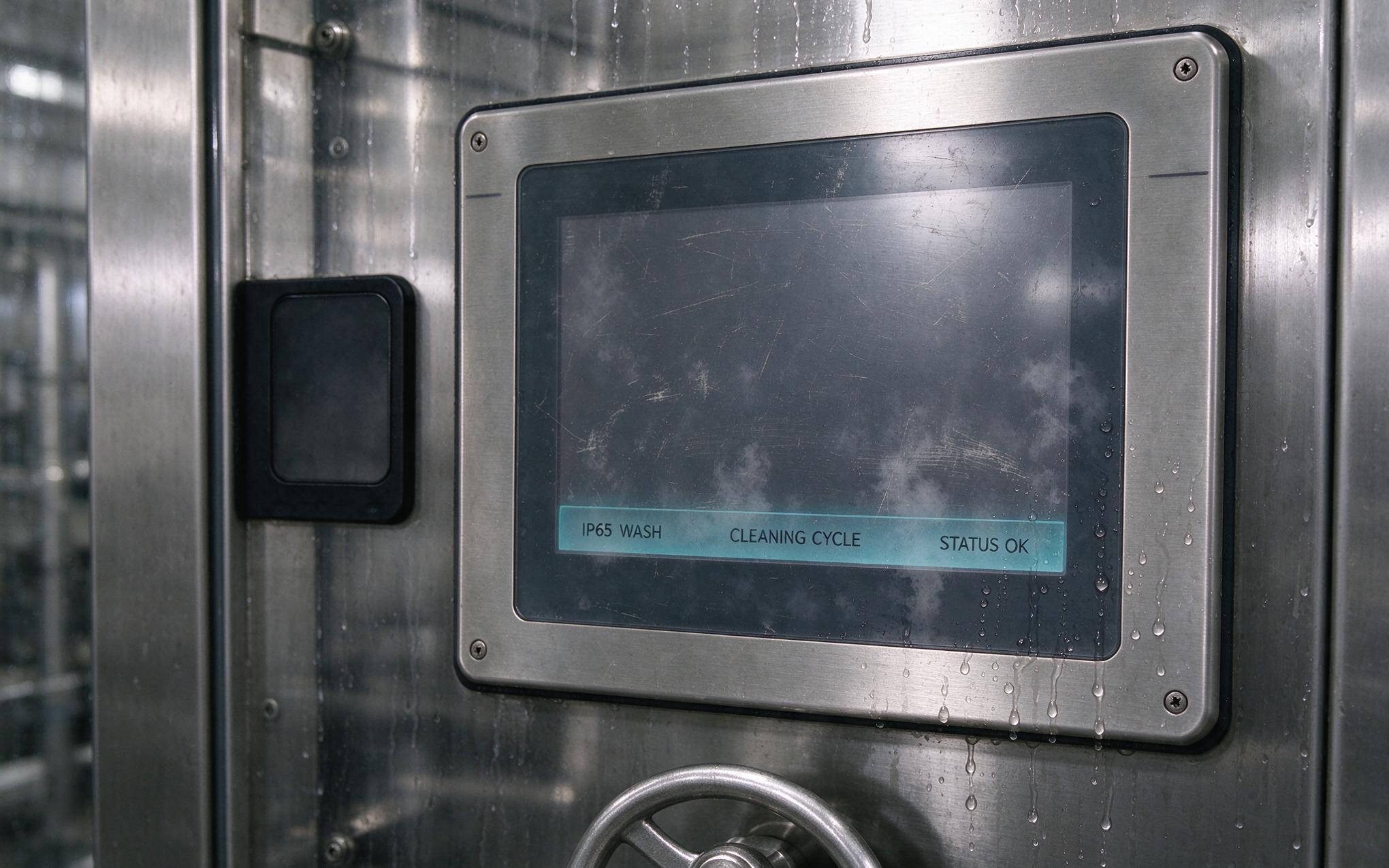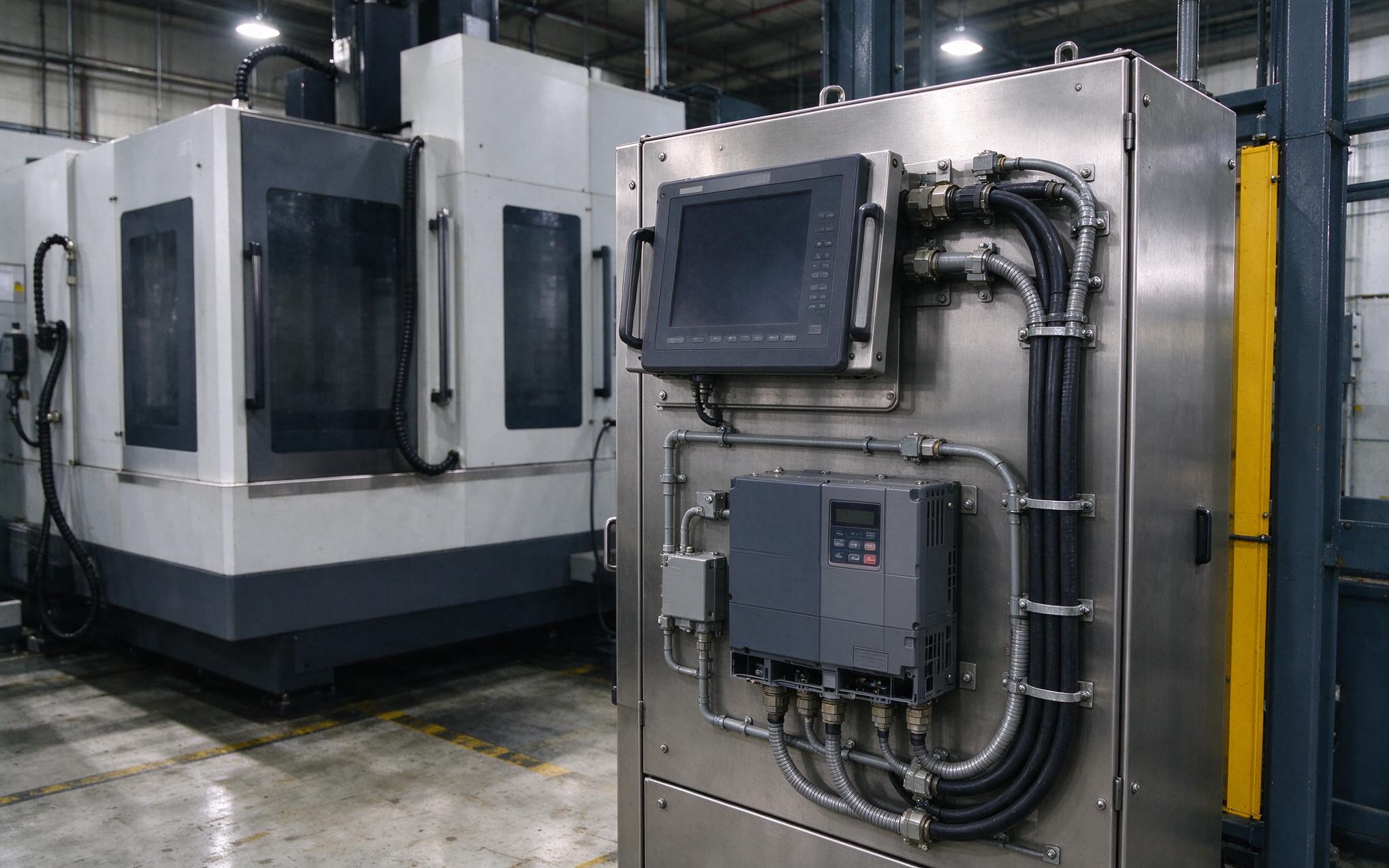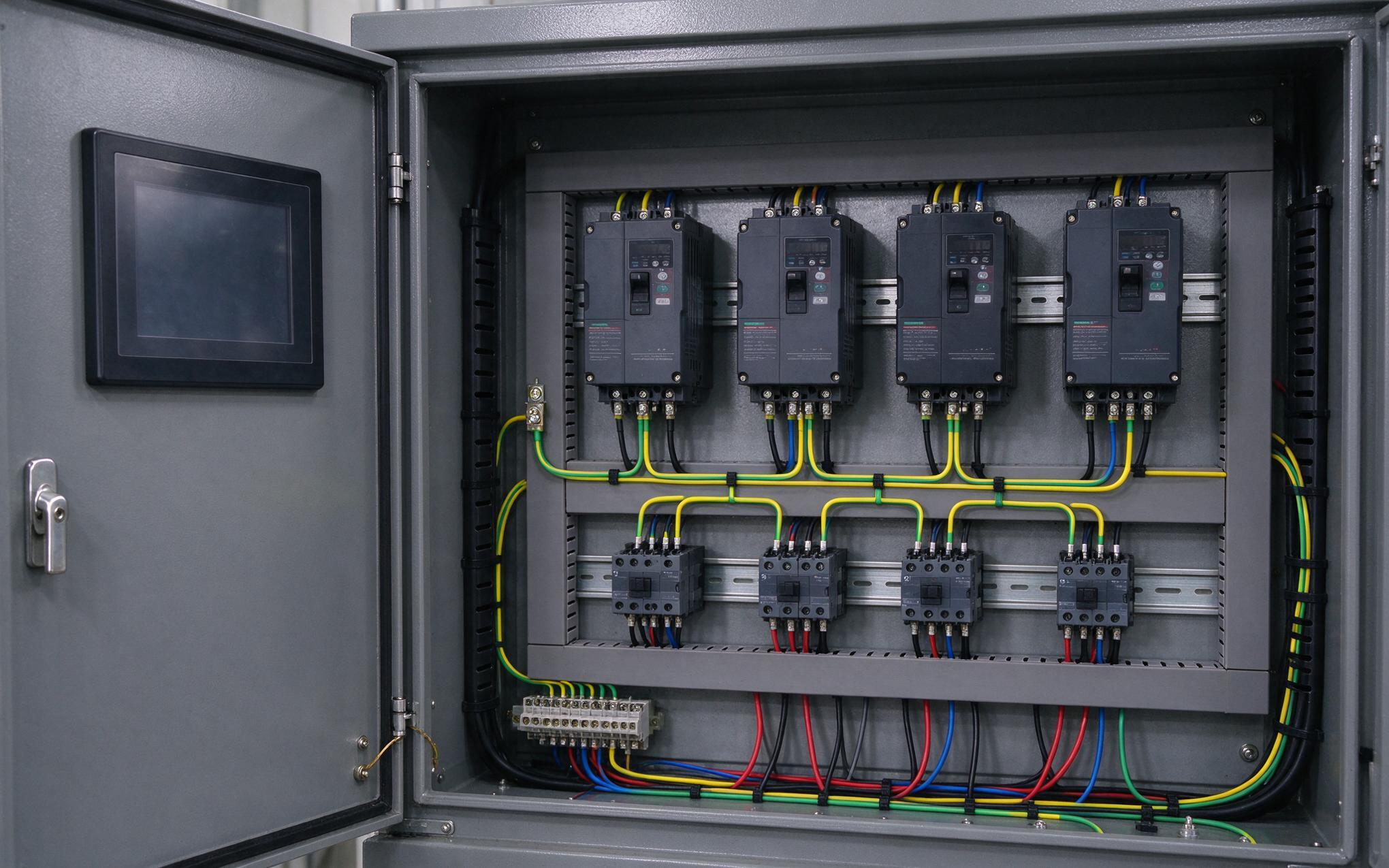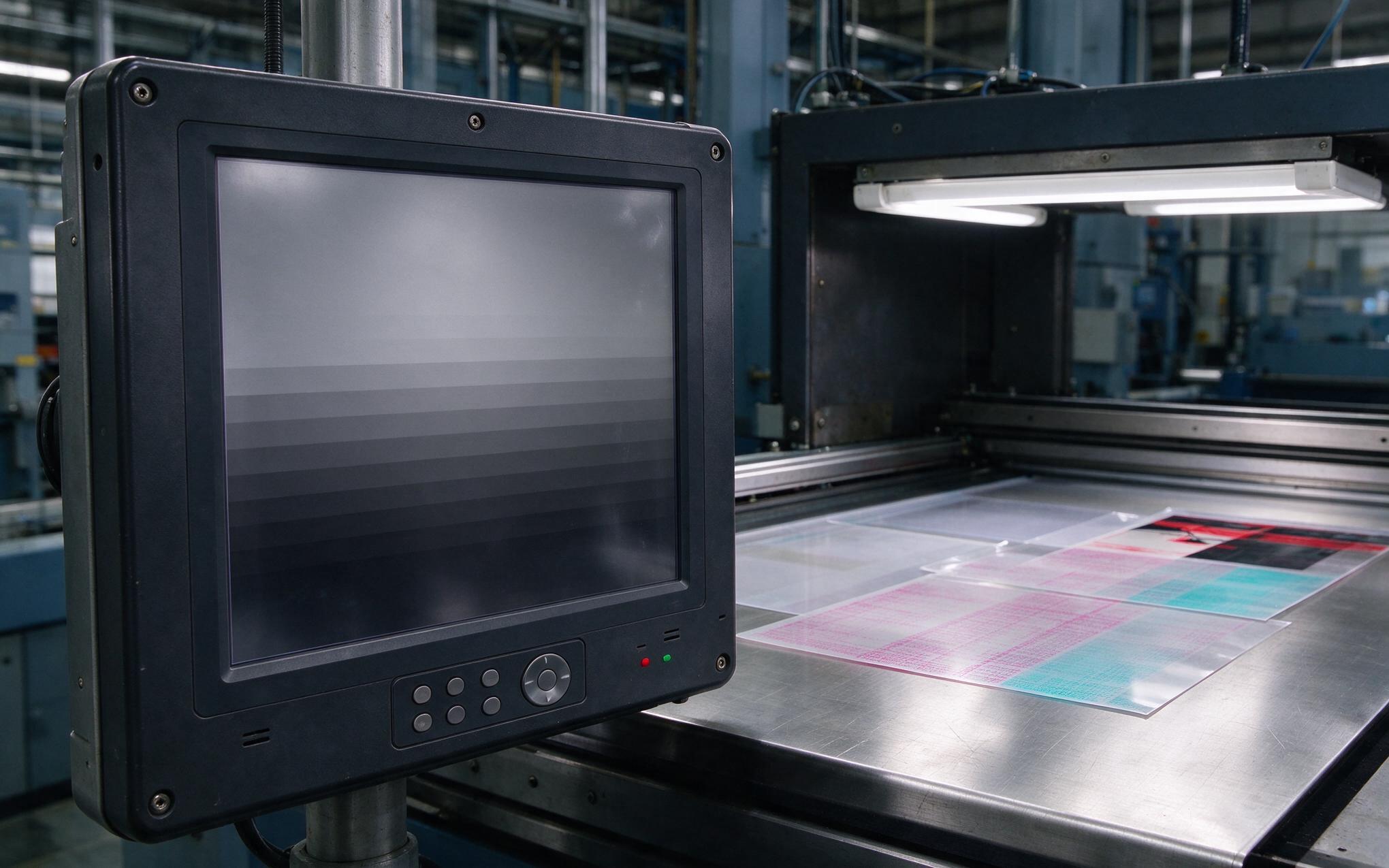
A faint gray-black film creeps across the copper traces inside a display chassis long before the screen ever flickers. In pulp mills, wastewater plants, and refinery control rooms, hydrogen sulfide and sulfur dioxide diffuse through vent slots and gasket seams, and the sulfur reacts with exposed metal to form conductive growth between adjacent conductors. A rugged industrial monitor mounted in that atmosphere may pass every ingress test on the datasheet and still fail within eighteen months, because sealing ratings describe water and dust, not gas chemistry. Conformal coating is the barrier layer standing between plant air and the board, and the chemistry chosen at design time decides whether the unit survives one maintenance cycle or five.

Across Exposed Copper Traces and Silver Terminations
Sulfide corrosion does not attack a board uniformly. It concentrates where bare copper, silver, or tin sits exposed: via annular rings, connector shells, unmasked test points, and the fine pitch between resistor terminations. Hydrogen sulfide at concentrations as low as ten parts per billion can grow silver sulfide whiskers across a resistor body, and once a whisker bridges two conductors the leakage path shifts bias voltages well before it produces an outright short. Field engineers servicing a rugged industrial monitor usually log the symptom as intermittent touch response or a backlight that drops out under vibration, and only a tear-down under magnification reveals the crystalline growth. Because the reaction is chemical rather than thermal, running the unit cooler does not slow it appreciably.

Silicone and Acrylic Coatings Under Sulfur Loading
Hardware manufacturers such as KOXIAN specify coating chemistry by site atmosphere rather than by a single default material. Acrylic coatings are inexpensive, easy to inspect under ultraviolet light, and simple to rework with common solvents, which makes them reasonable for clean assembly halls. Under sustained sulfide exposure they swell and lose adhesion, so the useful service window shortens sharply. Silicone offers markedly stronger chemical resistance and stays flexible across wide temperature swings, an advantage in a rugged industrial monitor that cycles between chilled outdoor cabinets and heated process areas. The trade-off is serviceability, since cured silicone resists most strippers and board repair often demands aggressive solvents under controlled ventilation.

Why Parylene Handles Edge Coverage Differently
Liquid coatings are applied by spray, brush, or dip, and surface tension pulls the film away from sharp edges and tall component corners. Those thin spots become entry points for gas, which is why a board can look fully covered under inspection and still corrode at a connector shoulder. Parylene is deposited from vapor in a vacuum chamber, condensing molecule by molecule to cover edges, undersides, and narrow gaps at a uniform thickness measured in microns. Documentation from suppliers including KOXIAN notes that this conformality is what makes vapor deposition attractive for boards destined for refinery and wastewater duty, where pinhole tolerance is effectively zero. The cost is process complexity, and rework generally means replacing the rugged industrial monitor assembly rather than repairing it.

Verifying Coating Integrity in Rugged Industrial Monitor Fleets
Coating selection means little without evidence that the film survives the plant. Mixed flowing gas testing exposes a populated board to controlled blends of hydrogen sulfide, nitrogen dioxide, and chlorine at fixed humidity, compressing years of atmospheric attack into a few weeks. Suppliers like KOXIAN publish such results alongside salt fog and thermal cycling data so integrators can compare candidates on a common basis. Copper and silver coupon classification under ISA 71.04 gives a second reference point, letting a maintenance team measure the severity of an actual site and match it to a coating class rather than guessing. For an installed base, ultraviolet inspection of coverage during scheduled service catches degradation while remediation remains inexpensive.
Ingress ratings and enclosure metallurgy dominate rugged industrial monitor specifications, yet board-level gas protection decides service life at sulfide-rich sites more often than either. Acrylic suits mild atmospheres and easy rework, silicone balances chemical resistance with thermal flexibility, and parylene buys edge coverage at the price of repairability. The practical question for an engineering team is not which coating is strongest in the abstract, but which one matches the measured corrosivity class of the site and the repair model the plant actually operates.