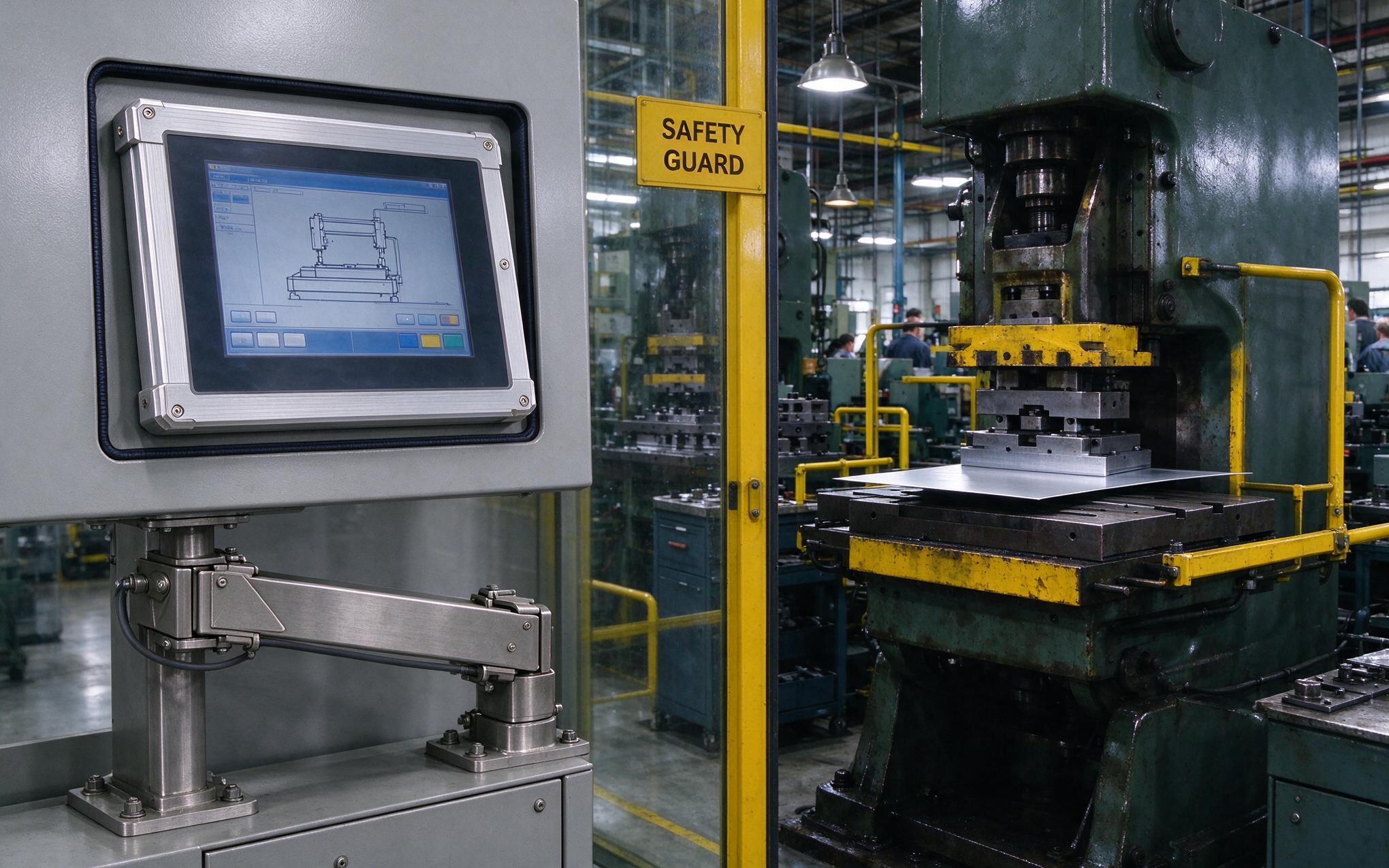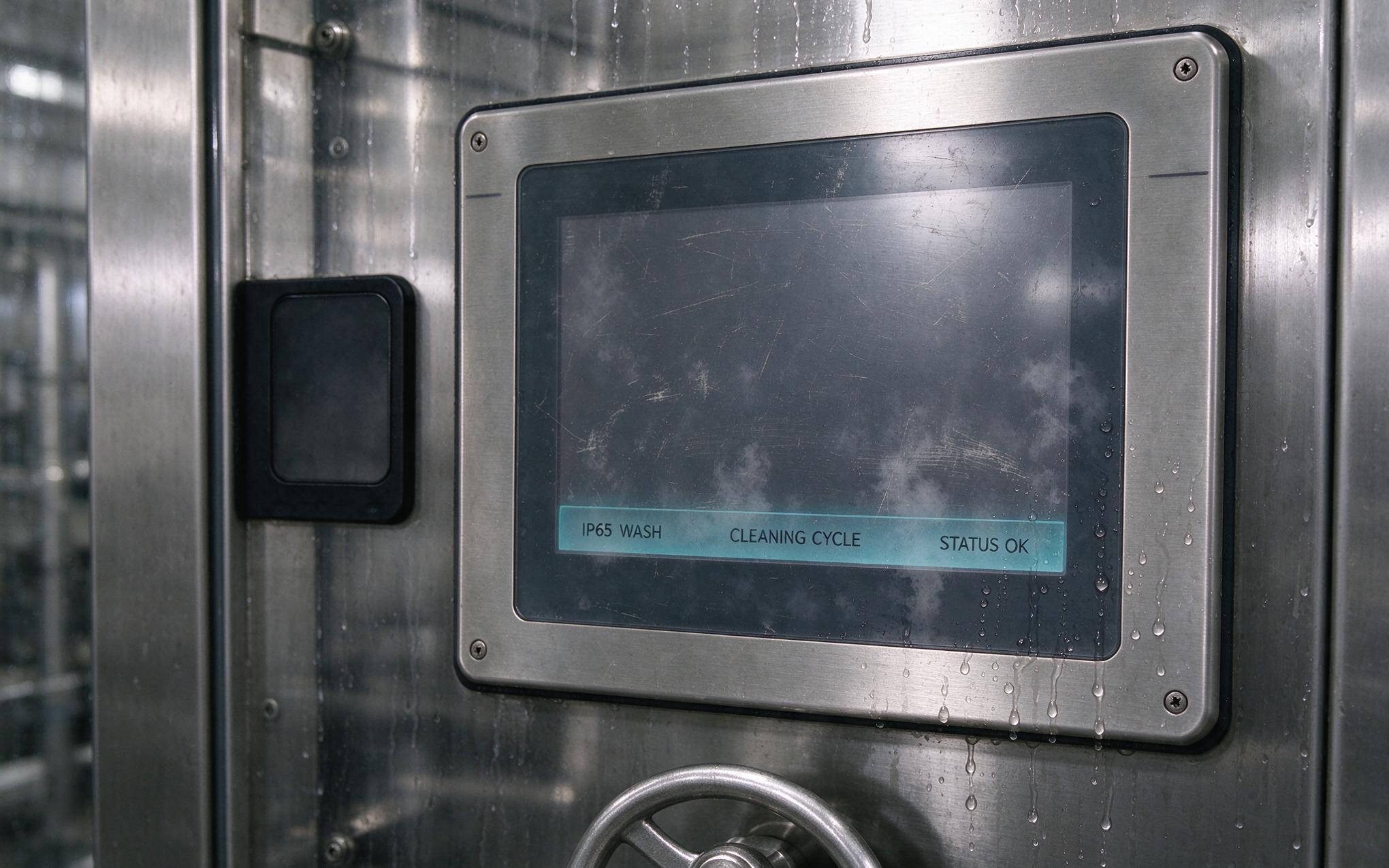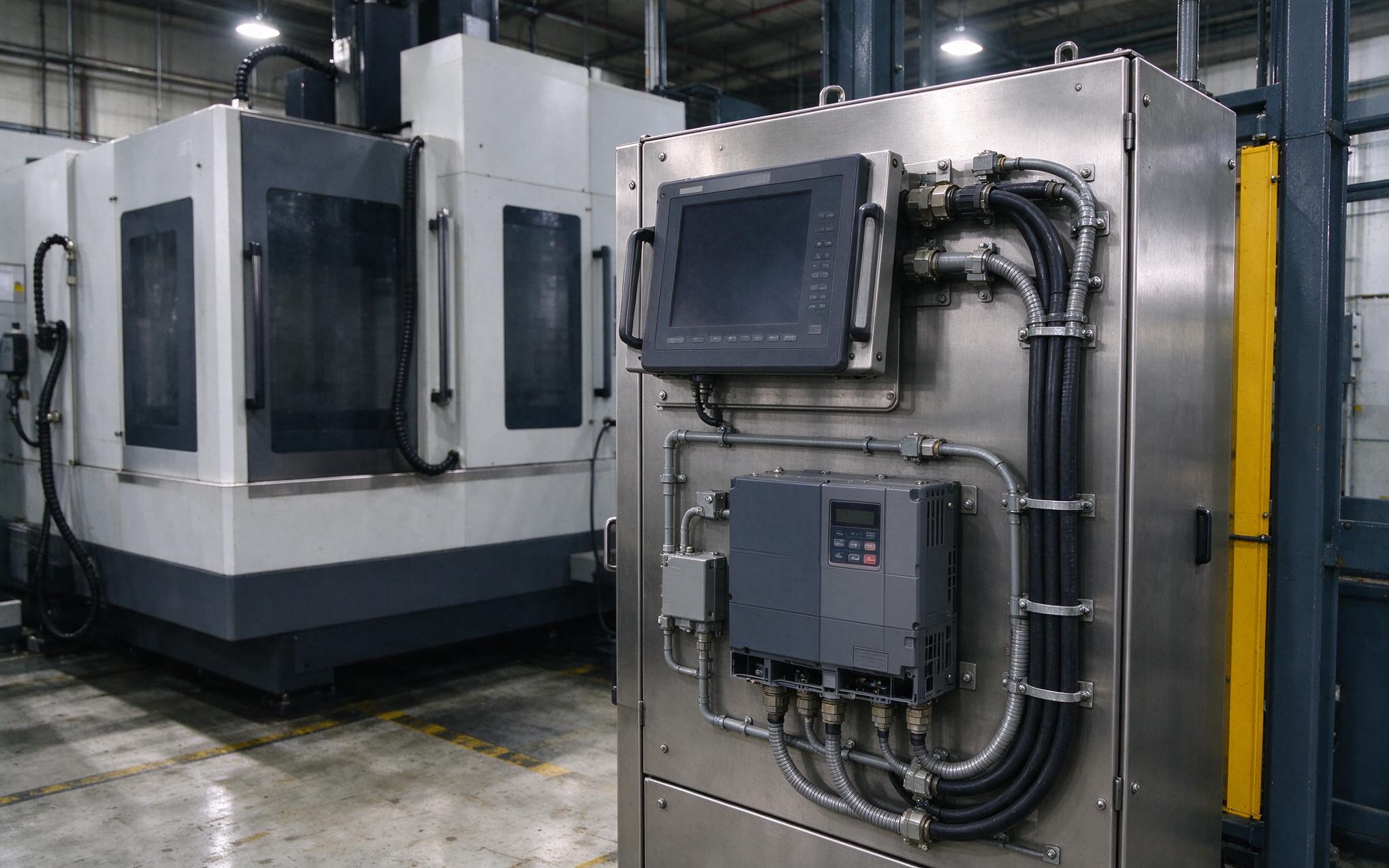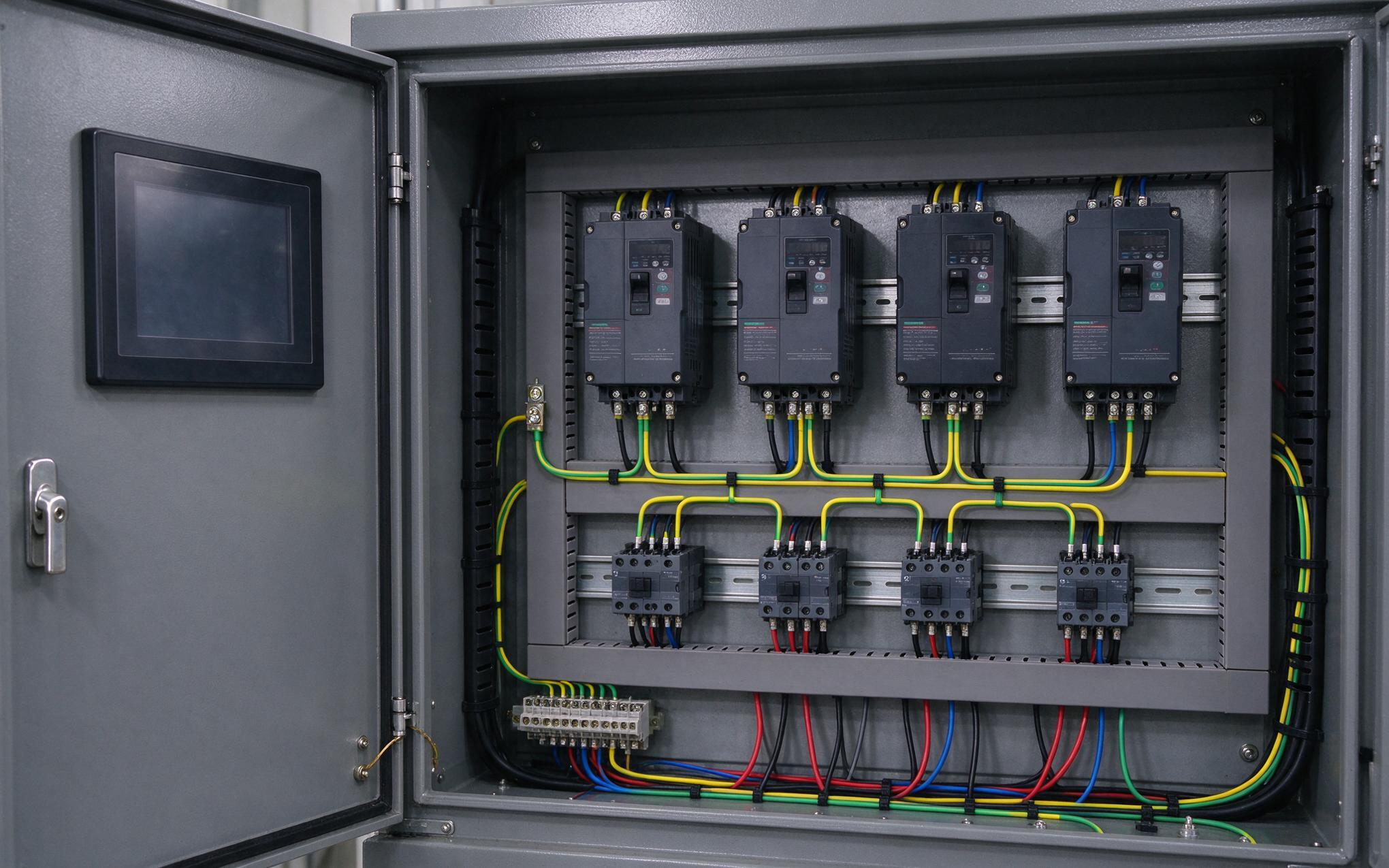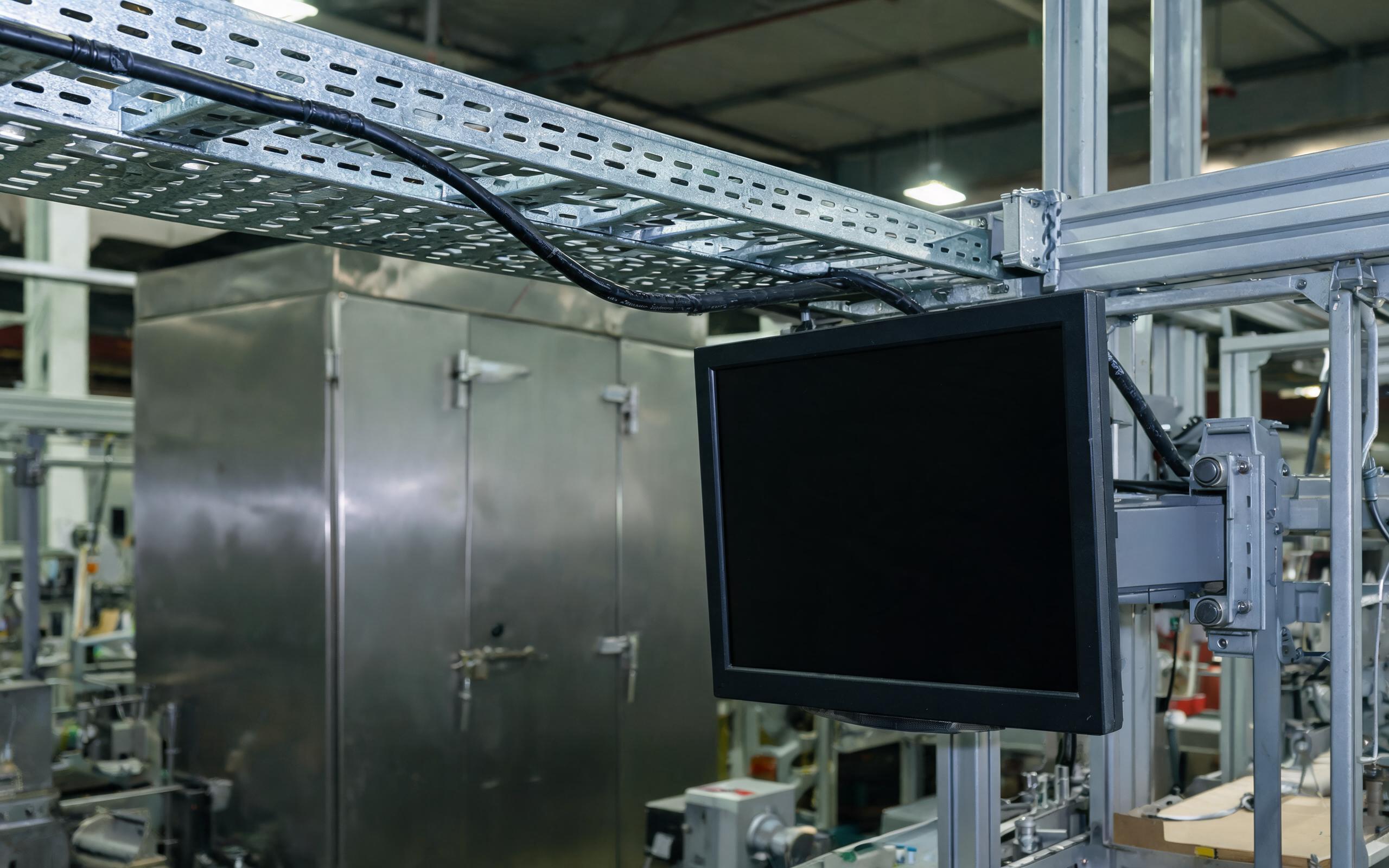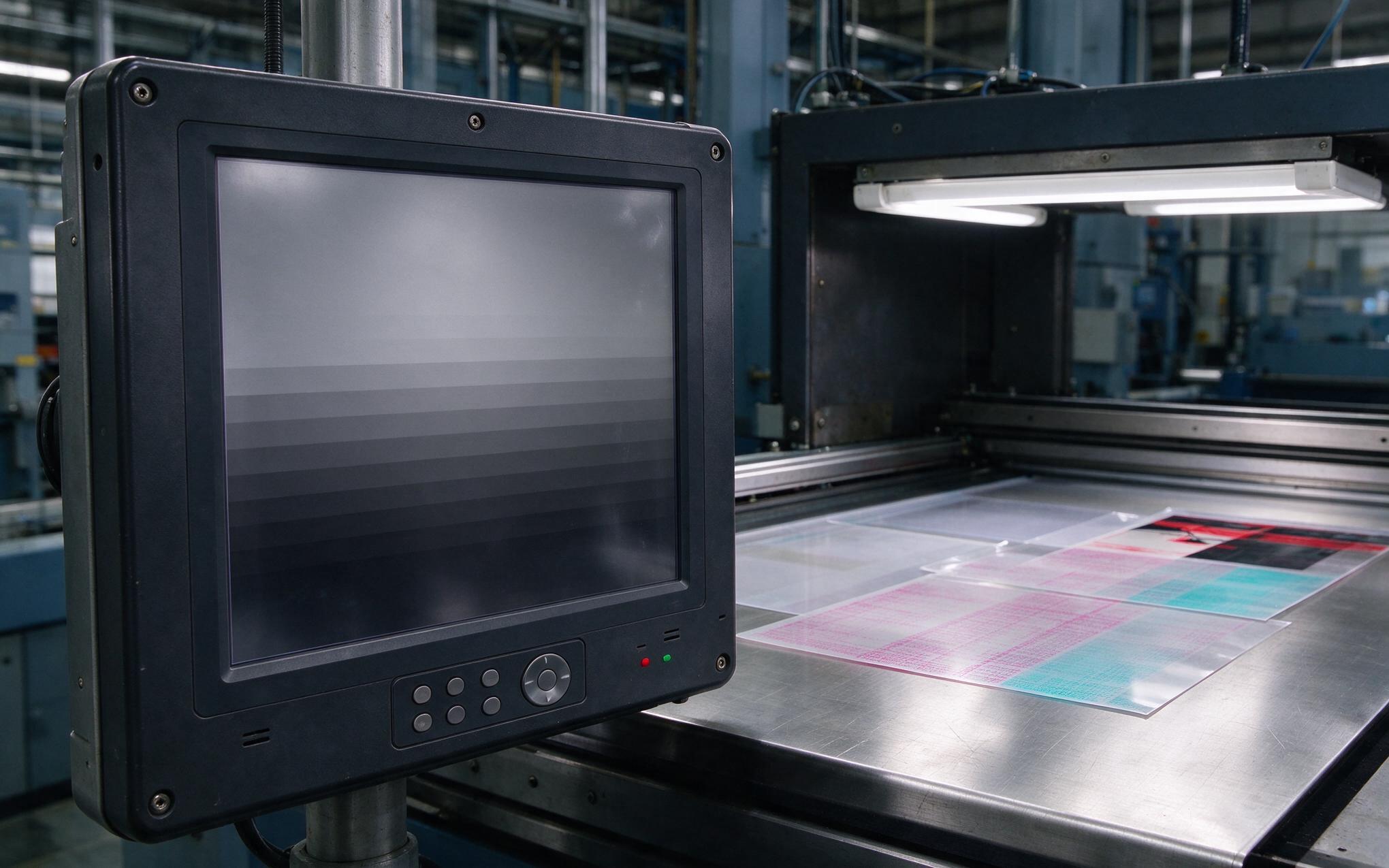
Two identical 21.5-inch units can leave the same production batch and age differently within a year. The control room screen still wipes clean when the dashboard refreshes, while its line-side twin keeps a faint outline of the same alarm banner after every scene change. That divergence is not a defect lottery. It is image retention, a known behavior of liquid crystal panels that hold one static frame for weeks at a time. Any industrial pc monitor that runs a dashboard, andon board, or status page around the clock faces the same electrochemical stress, and how a plant responds decides whether the panel stays readable across its service life.

Ion Migration and DC Bias Behind Image Sticking
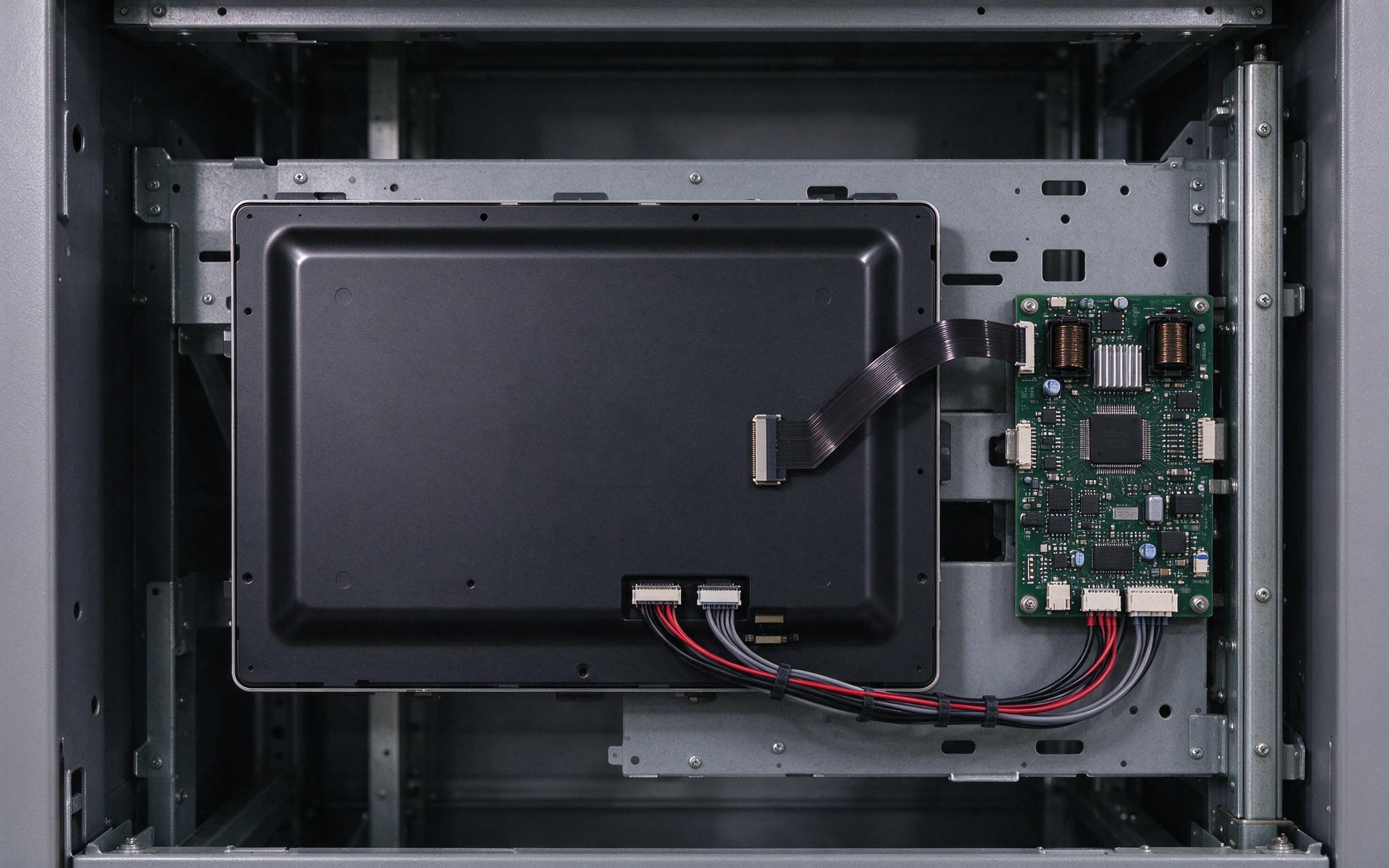
Design reviews that anticipate this failure mode often begin with the hardware itself, such as the sealed aluminum chassis used across the KOXIAN G1 series, because enclosure temperature and drive electronics shape how quickly an LCD cell relaxes. A liquid crystal cell holds its state through a voltage applied across the fluid, and the drive signal alternates polarity every frame so that no net DC bias accumulates. When a dashboard pins the same tiles in the same positions for weeks, ionic impurities inside the cell drift toward the electrodes and build a small internal field. That field offsets the balanced waveform, so pixels that showed bright content recover more slowly than their neighbors. Operators describe the residue as a ghost of the old layout, most visible on flat gray backgrounds, and it tends to appear on the industrial pc monitor that never leaves its overview page.

Heat and Static Content as Retention Accelerators
Heat is the main multiplier. Ion mobility rises with panel temperature, so a display mounted above a furnace aisle, sealed into an unventilated enclosure, or driven at full backlight for a sunlit entrance accumulates internal bias far faster than the same panel in a climate-controlled room. Content matters just as much. A fixed alarm banner, a static company logo, or a KPI tile grid that never moves applies the same voltage to the same subpixels continuously, and high-contrast tiles on dark backgrounds leave the sharpest residue. Panel technology plays a supporting part, since vertical alignment cells relax differently than in-plane switching designs, but no common LCD mode is immune. Ghosting therefore concentrates where the industrial pc monitor runs hottest, not necessarily where it has run longest.

Recovery Routines with Power Rest and Full Field Patterns
Most retention stays reversible when the panel is rested before the residue hardens into a permanent mark. A full power-off rest of several hours lets trapped ions diffuse back toward a uniform distribution, which is why overnight shutdown schedules help line-side screens more than standby modes that keep the backlight alive. Recovery claims are easiest to judge against documented hardware behavior, and reference designs such as the KOXIAN K2 series give integrators a baseline when they line up vendor data against their own duty cycles. Residues that persist respond to alternating full-white and full-black fields, which re-balance the charge across every subpixel at once over a few hours. Scheduled pixel orbiting, screensaver timers, and page rotation in the visualization software all shrink the static exposure that an industrial pc monitor collects between shifts.

Procurement Checks for Industrial PC Monitor Static Duty
The commercial risk sits in the fine print, because many panel makers exclude image retention from warranty coverage, so a purchase order for a visualization station that never sleeps should carry its own acceptance test. Buyers can ask suppliers for static-pattern endurance data at elevated temperature, the recovery interval after a fixed test frame, and whether drive firmware supports scheduled pixel orbiting or dimming profiles. An industrial pc monitor specified this way enters service with a documented behavior envelope instead of a consumer-grade promise. Interfaces and mounting get most of the datasheet attention, yet these questions decide whether the screen still reads cleanly in year five of a seven-year deployment.
Image retention is a predictable electrochemical response to static content, heat, and time, not a random defect. Plants that treat it as an operating parameter, pairing shutdown schedules with content rotation and documented acceptance tests, keep dashboards readable for the full service life of the panel. The alternative is a slow ghost of last year’s layout drifting behind every new screen, visible to every operator who walks past.